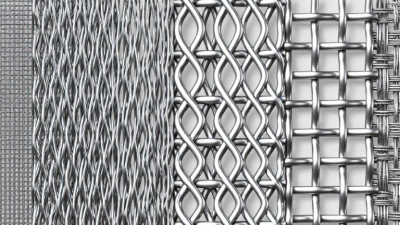
Why Choose Stainless Steel Mesh?
Choosing stainless steel mesh begins with a practical question: what must the material do, and where will it work? It is used for filtration, screening, guarding, and separation because its open structure lets air or liquids pass while retaining selected particles. Wire diameter, aperture size, weave, and alloy grade all affect performance. Small details matter. A mesh that looks suitable on a sample card may behave differently under vibration, pressure, or repeated cleaning.
Stainless steel can resist corrosion, tolerate heat, and provide a durable surface, but no grade suits every environment. Salt spray, chemicals, and trapped moisture can still cause problems. Grade selection should match actual exposure, and supplier specifications should be checked before installation. That sounds obvious, yet it is easy to overlook when price or delivery time drives the decision. A quick rinse test is not a substitute for service data.
The right stainless steel mesh is therefore a balance of performance, maintenance, and cost. Consider how often it will be cleaned, whether the wires may deform, and how precise the opening must remain. Ask for documented material details and, where failure would be costly, test a sample in realistic conditions. There is no perfect mesh. Even a well-chosen product needs inspection over time. That small bit of caution can prevent a much larger replacement job.

What Stainless Steel Mesh Is and How It Is Made
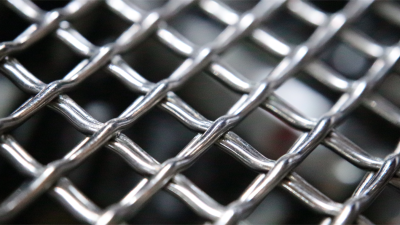
Stainless steel mesh is a grid of metal wires or strips, with openings sized for filtering, screening, guarding, or airflow. The steel contains chromium, which forms a thin protective surface layer when exposed to oxygen. Some grades also contain nickel or molybdenum. The exact composition affects strength and corrosion resistance, so “stainless” does not mean immune to rust. Details matter.
Production depends on the mesh type. For woven mesh, stainless steel is drawn into wire, then interlaced on a loom in a chosen pattern. Welded mesh uses crossing wires joined at their intersections, while expanded mesh is cut and stretched from a sheet. Manufacturers may then clean, flatten, or trim the material. Checks can include opening size, wire diameter, and visible defects. Small variations happen, so specifications should be confirmed for demanding applications.
Tips: Match the mesh opening and wire thickness to the job. Ask which steel grade is used, especially near salt spray or cleaning chemicals. Inspect a sample if fit matters. A tiny opening can clog sooner than expected. That trade-off is easy to overlook.
Key Properties That Distinguish Stainless Steel Mesh
Why Choose Stainless Steel Mesh?
Key Properties That Distinguish Stainless Steel Mesh
Stainless steel mesh combines open airflow with a durable metal structure. Its chromium content—at least 10.5% in stainless steel—helps form a thin, protective surface layer. This layer can reform when exposed to oxygen, supporting corrosion resistance in many everyday environments. It is not invulnerable. Salt, chemicals, and trapped debris can still cause problems, depending on the grade and conditions.
The mesh’s performance also depends on its construction. Fine openings can filter smaller particles, while thicker wires generally provide greater mechanical strength. Those benefits involve trade-offs: tighter mesh may restrict flow, and heavier wire can reduce open area. World Stainless reported global stainless-steel production of 58.4 million tonnes in 2023. That figure reflects broad industrial use, but it does not mean every mesh grade suits every setting. A careful specification matters more than the material name alone.
Tips: Check the alloy grade, wire diameter, and aperture size against the actual exposure and filtration needs. Rinse off deposits in corrosive environments, and inspect cut edges and joints. Small details matter. They are easy to miss.
How Stainless Steel Mesh Performs in Different Environments
Stainless steel mesh responds differently as temperature, moisture, and airborne contaminants change. In a dry indoor screen, it usually needs little attention beyond occasional dust removal. Near a sink or washdown area, trapped food particles and detergent residue can sit between the wires. Rinse the surface and let it dry. Small habits matter.
Coastal air is more demanding. Salt can settle on mesh and encourage corrosion, especially in crevices or where water remains. A more corrosion-resistant stainless grade may help, but no grade is immune to every exposure. Regular fresh-water rinsing can reduce salt deposits. Chloride cleaners are a poor choice unless the product guidance specifically permits them.
Heat introduces another trade-off. Mesh near ovens or warm process equipment can tolerate elevated temperatures, depending on its alloy and construction, but repeated heating may cause distortion or weaken a tight fit. Check operating temperature, wire diameter, and support spacing together. A mesh sheet that looks sturdy on a sample can sag across a wide opening. It is easy to focus on the steel and overlook the frame. That part deserves thought, too.
In dusty workshops, openings can gradually clog, reducing airflow or visibility. A soft brush may clear loose debris, while aggressive scrubbing can damage finishes. Inspection intervals should match the actual environment; a monthly check may be excessive in one room and too infrequent beside salt spray. Small differences in placement can change maintenance needs.
Common Industrial and Everyday Uses
Why Choose Stainless Steel Mesh?
Common Industrial and Everyday Uses
Stainless-steel mesh appears in factories, workshops, kitchens, and building ventilation systems. Its open structure lets air or liquid pass while holding back larger particles. In a processing plant, coarse mesh may separate stones from crushed material, while finer mesh can screen powders or strain liquids. Small openings matter. Aperture size and wire thickness affect flow, strength, and what the mesh can retain.
Food-preparation equipment may use mesh baskets, strainers, or drying racks. For example, a kitchen strainer needs openings large enough to drain water but small enough to hold pasta. The material must suit the food-contact conditions and cleaning routine; stainless steel alone does not guarantee every grade is appropriate. Mesh panels also protect vents and machinery while allowing air to circulate. At home, they can serve as window screens or reusable filters. Fit matters, too.
Choosing mesh requires matching the grade, opening size, and weave to its environment. A humid room or frequent washdown can change which specification makes sense. Mesh can resist corrosion, but it is not immune to damage, deposits, or unsuitable chemicals. It is easy to focus on strength and overlook maintenance. In practice, a mesh that is difficult to clean may perform poorly, even when its measurements look right on paper.
Why Choose Stainless Steel Mesh? Common Industrial and Everyday Uses
Stainless steel mesh combines open flow with durable, corrosion-resistant construction, making it useful in screening, filtration, guards, and household sieves. The bars show standard ASTM E11 sieve aperture sizes; the application examples are illustrative, not fixed specifications. Choose mesh to suit the material, operating conditions, and required opening size.
Factors to Consider When Selecting Stainless Steel Mesh
Why Choose Stainless Steel Mesh?
Factors to Consider When Selecting Stainless Steel Mesh
Start with the environment. For dry indoor screening, a general-purpose stainless grade may be sufficient. Near salt spray, cleaning chemicals, or persistent moisture, corrosion resistance deserves closer attention. Stainless steel is not rust-proof in every condition. Check the alloy specification against the actual exposure.
Next, match the opening size and wire diameter to the job. Small openings can capture fine particles, but they may restrict flow and clog more easily. Thicker wires usually provide greater strength, though they reduce open area. Fit matters. Compare the mesh dimensions with the frame, gasket, or support surface, and confirm whether the stated opening is measured consistently. A sample can reveal details a drawing misses.
Also consider weave, edge finish, and maintenance. A tight weave may suit fine filtration, while a more open pattern can allow faster drainage or airflow. Inspect cut edges for sharp wire ends, especially where people handle or clean the mesh. Ask about dimensional tolerances and test a sample under realistic conditions. That step can feel like extra work, but skipping it sometimes leads to a poor fit. I would not select on price alone; replacement frequency and cleaning time matter too.
Why Choose Stainless Steel Mesh? – Factors to Consider When Selecting Stainless Steel Mesh
| Selection Factor | What to Check | Useful Guidance | Why It Matters |
|---|---|---|---|
| Stainless steel grade | Exposure to moisture, chemicals, salts, and cleaning agents | Grade 304 is commonly used for general-purpose applications. Grade 316 contains molybdenum and is often preferred where chloride exposure is a concern. Grade 430 is magnetic and is generally less corrosion-resistant than 304 or 316. | The alloy composition affects corrosion resistance, service life, and suitability for the operating environment. |
| Mesh opening and mesh count | Required particle size, flow rate, and screening accuracy | Mesh count usually describes the number of openings per linear inch. The actual opening depends on both the mesh count and wire diameter, so confirm the specified aperture rather than relying on mesh count alone. | Smaller openings can retain finer particles but may restrict airflow or liquid flow and can clog more readily. |
| Wire diameter | Required strength, rigidity, and open area | Thicker wire generally increases strength and durability but reduces the open area when other mesh dimensions are held constant. | Choosing a suitable balance helps the mesh withstand handling and operating loads without unnecessarily limiting flow. |
| Weave pattern | Whether the application needs a regular opening, a fine screen, or additional stability | Plain weave is a common option for general screening. Twill weave can accommodate relatively fine wires in some specifications. Woven mesh and welded mesh have different construction and mechanical characteristics. | The construction affects flexibility, strength, opening consistency, and how the mesh can be fitted or supported. |
| Operating temperature | Continuous and peak temperature, plus exposure time and atmosphere | Temperature capability depends on the alloy, mesh construction, loading, and environment. Verify suitability against the material specification and actual operating conditions. | Heat can affect oxidation resistance and mechanical properties; a grade suitable at room temperature may not suit a high-temperature process. |
| Corrosion and cleaning conditions | Chlorides, acids, alkaline cleaners, deposits, and cleaning frequency | Identify all process chemicals and rinse conditions. Even corrosion-resistant stainless steel can suffer localized corrosion in unsuitable chloride conditions or when deposits and moisture remain trapped. | Matching the material to the full service environment helps reduce corrosion risk and maintenance needs. |
| Mechanical loading and support | Pressure, tension, vibration, impact, and unsupported span | Consider wire diameter, mesh type, panel dimensions, edge finishing, and the support frame together. Ask for load or deflection data when the mesh is safety-critical or heavily loaded. | Mesh performance depends on the complete assembly, not just the nominal mesh specification. |
| Fabrication and finish | Cut edges, forming, welding, surface condition, and cleanliness requirements | Specify the required finish and any fabrication steps. Remove contamination from fabrication, and use cleaning practices appropriate for stainless steel. | Good fabrication and handling help preserve corrosion resistance and reduce the risk of damage or contamination. |
| Verification and tolerances | Opening size, wire diameter, material grade, and applicable test requirements | Request documented material and dimensional specifications. For filtration, confirm whether the stated rating refers to a nominal opening, a measured aperture, or a tested particle-retention rating. | Clear, verifiable specifications make it easier to compare products and ensure the mesh meets the intended process requirements. |
Note: Final selection should be based on the actual operating environment and the supplier’s material and dimensional specifications.
Related Posts
-
Top 10 Stainless Steel Mesh Types for Global Buyers
-
How to Choose the Right Stainless Mesh in 2026?
-
China Top 10 Stainless Mesh Manufacturers for Global Buyers
-

What are the Best Uses for Stainless Steel Mesh?
-
How to Choose the Best Stainless Steel Mesh for Your Needs?
-
Exploring Stainless Steel Mesh Innovations at the 138th Canton Fair 2025: Industry Trends and Insights