How to Choose the Best Stainless Steel Mesh for Your Needs?
Choosing the right stainless steel mesh is crucial for various applications. The options can be overwhelming. Each type of stainless steel mesh has unique characteristics. Understanding these differences is essential for making informed decisions.
Stainless steel mesh is known for its durability and resistance to corrosion. It is widely used in industries such as construction, food processing, and filtration. Selecting the best option requires considering specific needs. Applications can vary significantly. For instance, some projects may demand higher tensile strength, while others focus on fine filtration.
It's important to evaluate your requirements thoroughly. Factors like mesh size, wire diameter, and finish play a vital role. Many users overlook these details. Sometimes, people choose based on price rather than functionality. This can lead to inefficient outcomes. Thus, a reflective approach is necessary to ensure you select the most suitable stainless steel mesh for your needs.
Factors to Consider When Choosing Stainless Steel Mesh for Applications
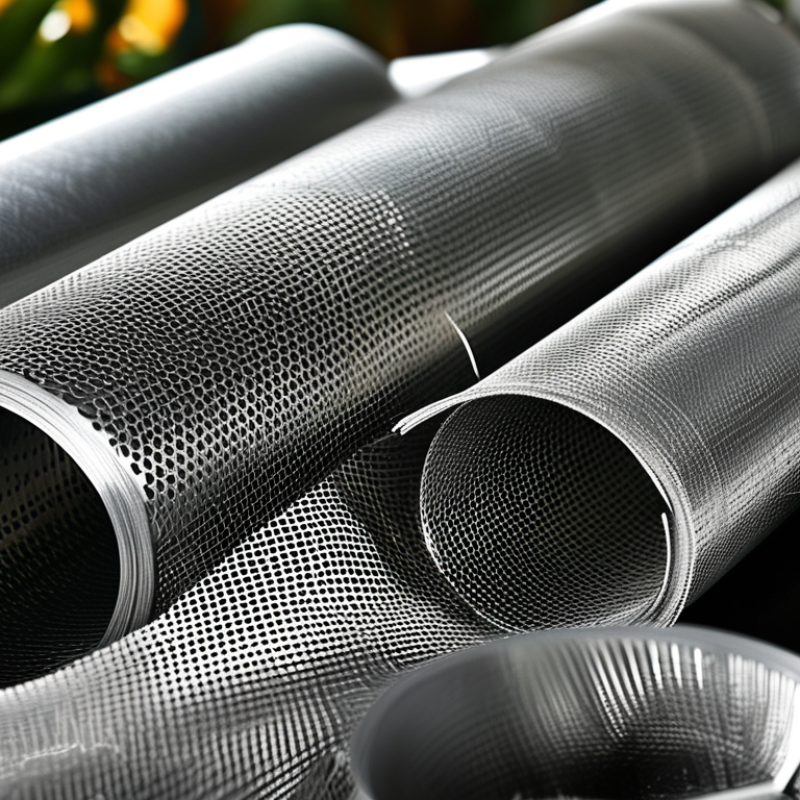
When selecting stainless steel mesh, several factors come into play. The mesh size is crucial. Larger openings allow for greater airflow, but finer meshes provide more filtration. Think about the intended use. For applications in food processing, a mesh that is easy to clean and resistant to corrosion is essential. Evaluate the gauge of the mesh as well. Thicker wires ensure durability but can be heavier and harder to work with.
Consider the environment where the mesh will be used. High humidity or exposure to harsh chemicals may rust lighter grades of stainless steel. Marine environments require specialized grades that resist salty air. There is also a need to think about the mechanical properties. A mesh that bends easily may not work well in applications requiring strength.
You might also reflect on your future needs, beyond the immediate project. This can be tricky because your requirements may change over time. What works today might not meet your needs tomorrow. Always weigh the cost against the benefits. Sometimes a more expensive mesh may save you money in the long run due to its durability. Your choice must align with both current and future applications.
How to Choose the Best Stainless Steel Mesh for Your Needs?
| Factor |
Description |
Considerations |
| Mesh Size |
Refers to the diameter of the wire used and the spacing between the wires. |
Determines filtration efficiency and strength. |
| Wire Diameter |
Thickness of the wire used in the mesh. |
Affects the durability and weight capacity of the mesh. |
| Material Grade |
Quality of stainless steel, usually classified by grades like 304, 316. |
Corrosion resistance and suitability for various environments. |
| Application |
The specific use case for the mesh, such as filtering, security, or crafting. |
Different applications may require different specifications. |
| Weave Type |
Refers to the way the wires are interlocked, such as plain, twilled, or Dutch weave. |
Affects strength, filtration, and flexibility of the mesh. |
Common Types of Stainless Steel Mesh and Their Unique Properties
When selecting stainless steel mesh, it's essential to consider the common types available. Woven mesh is the most traditional form. It consists of interlaced strands, creating various opening sizes. This type is known for its strength and durability. It’s often used in filtration applications and structural supports. The weaving pattern can affect its rigidity and flexibility. It's critical to choose the right weave for your specific needs.
Another common type is welded mesh. This type is produced by electrically welding the strands at intersections. Welded mesh offers a consistent and sturdy framework. It’s widely used in construction and agricultural applications. However, it lacks the flexibility of woven mesh. If your project requires shape adaptability, welded mesh might not be the best choice.
Lastly, perforated mesh is worth mentioning. This type features holes punched into a sheet of stainless steel. It provides excellent airflow and light penetration. Perforated mesh varies greatly in hole size and pattern. Consider the specific requirements regarding strength and visibility. Each type has its unique properties, making it vital to reflect on the demands of your application before making a decision.
Comparison of Common Types of Stainless Steel Mesh
Understanding Mesh Weave Patterns and Their Impact on Performance
When selecting stainless steel mesh, understanding mesh weave patterns is crucial.
Weave patterns dictate performance attributes, such as strength, flexibility, and filtration capabilities. For instance, a plain weave offers excellent stability and is commonly used in industrial applications. This type of weave features equal wire diameters in both directions, resulting in a balanced structural integrity.
Conversely, a twill weave is more flexible and allows for a greater mesh aperture. This makes it ideal for applications requiring high fluid flow paths without sacrificing strength. Research indicates that twill-weave meshes can enhance filtration efficiency by up to 30%, particularly in environments with varying flow rates. Additionally, the choice of wire diameter significantly influences the mesh's durability and resistance to corrosion, particularly in harsh conditions.
Another consideration is the opening size. Smaller openings tend to trap more particles, improving filtration but potentially restricting flow. Larger openings allow for better drainage and airflow but may compromise filtration quality. Balancing these factors is essential for achieving the desired performance for specific applications. As such, users must evaluate their unique requirements and the implications of each mesh type carefully. The right choice can make a substantial difference in overall system efficacy.
Comparative Analysis of Wire Diameter and Open Area in Mesh Selection
When selecting the best stainless steel mesh, understanding wire diameter and open area is crucial. The wire diameter directly affects the strength and durability of the mesh. Thicker wires provide more strength but might reduce flexibility. In contrast, thinner wires can increase flexibility but may not withstand heavy loads. Thus, assessing the specific requirements of your project is essential.
Open area is another critical factor. It influences airflow, light transmission, and fluid flow. Higher open areas allow for better fluid dynamics but may compromise structural integrity. For instance, if the mesh is too open, it may not support the intended weight. Evaluating the mesh's intended application helps strike the right balance between wire thickness and open area.
A common mistake is choosing a mesh solely based on wire diameter or open area. This approach often leads to performance issues. Users tend to overlook how these factors interact. Consulting with industry experts or conducting performance tests can provide valuable insights. Staying informed about material properties and their applications enhances decision-making.
Applications of Stainless Steel Mesh in Various Industries and Standards
Stainless steel mesh is widely used across many industries. Its applications range from filtration systems in water treatment to safety barriers in construction. Each application requires specific standards and characteristics. For example, a finer mesh is essential for filtering small particles, while a coarser mesh is better suited for applications that require sturdiness.
In the food and beverage industry, stainless steel mesh ensures hygiene and safety. It prevents contaminants while allowing liquids to flow freely. In automotive and aerospace, it plays a crucial role in structural components that demand high strength and resistance to rust. However, selecting the right mesh can be challenging. Consider factors like wire diameter and weave pattern.
Industrial standards for stainless steel vary. They are created to ensure quality and safety. However, not all meshes will meet every industry standard. Thus, it is essential to verify compliance with relevant regulations before making a purchase. Understanding your specific needs will lead to better choices. Mistakes can be costly, so taking time to research options is crucial.