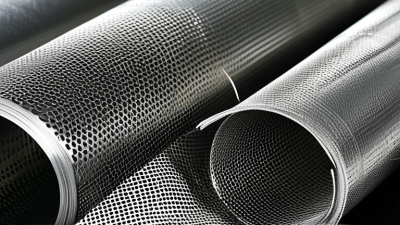
China Top 10 Stainless Mesh Manufacturers for Global Buyers

Global buyers need more than a long supplier list when sourcing stainless mesh. They need verified quality, stable production, and clear technical evidence. The International Stainless Steel Forum (ISSF) reported global crude stainless steel production of approximately 58.4 million tonnes in 2023. That scale supports demand across filtration, food processing, architecture, mining, and chemical equipment.

The market is broad. Mesh quality is not uniform.

Markus Moll, a respected stainless-steel market analyst, has emphasized that “reliable data matters more than impressive claims” when evaluating industrial suppliers. This principle applies directly to stainless mesh purchasing. Buyers should check wire diameter, aperture tolerance, weave type, surface finish, tensile strength, and corrosion performance. A polished sample may hide inconsistent openings or weak edge treatment.

This guide evaluates China’s top 10 stainless mesh manufacturers for global buyers. The assessment considers manufacturing experience, export capability, inspection systems, material traceability, customization, and customer support. It also refers to industry information from the ISSF, World Steel Association, and published supplier certifications.

However, no ranking is perfect. Public data can be incomplete, and company capacity may change. A factory with modern looms may still struggle with small-batch precision. Another supplier may offer lower prices but weaker documentation. Buyers should request recent mill certificates, third-party inspection records, production samples, and packaging photographs before placing large orders.

Look closely. Ask specific questions. That is where dependable sourcing begins.
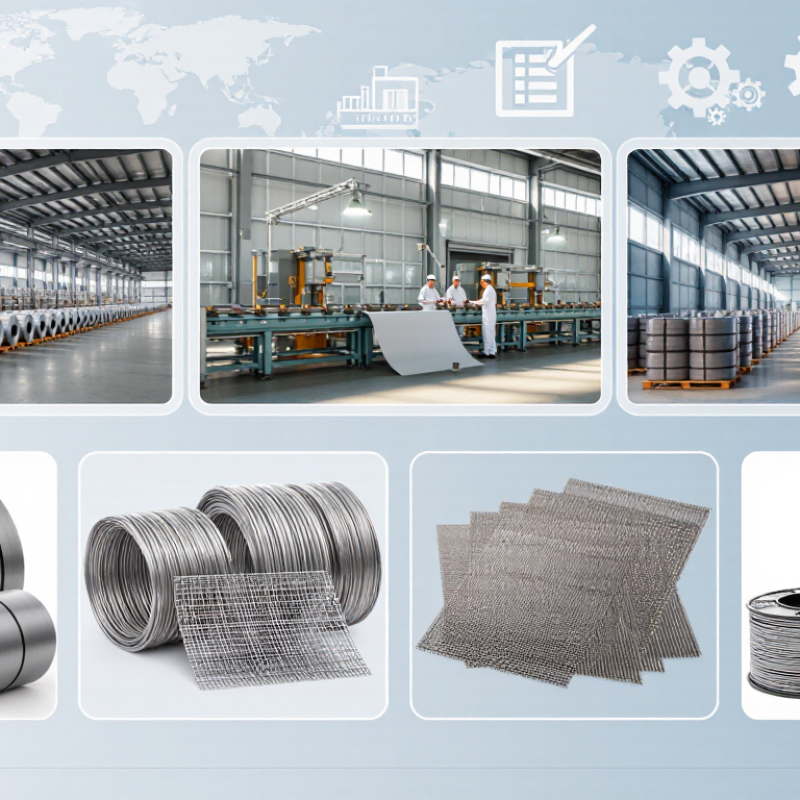
China Top 10 Stainless Mesh Manufacturers for Global Buyers

What Stainless Mesh Is and Why China Serves Global Buyers

Stainless Mesh: Materials, Applications, and Buying Considerations

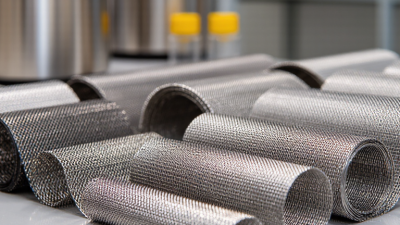
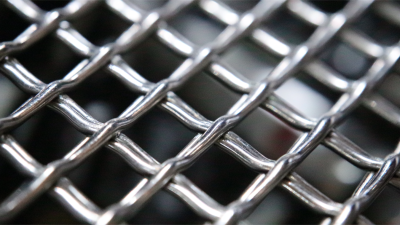
Stainless mesh is a grid made from corrosion-resistant steel wire. It can be woven, welded, or perforated for different applications. Common grades include 304 and 316 stainless steel. The right choice depends on exposure, strength, aperture, and temperature. A small change in wire diameter can affect flow, weight, and service life.

China serves global buyers through broad production capacity and flexible manufacturing. Many factories can produce fine mesh, heavy welded panels, cut sheets, and customized rolls. This range supports filtration, screening, ventilation, food processing, and industrial protection.

When comparing China’s top ten stainless mesh manufacturers, buyers should examine material certificates, aperture tolerance, weld quality, and batch traceability. A low price can hide uneven openings or rough edges. That issue is easy to miss in photographs.

Tips Request a sample before ordering. Measure the wire diameter and opening with calibrated tools. Confirm the stainless grade through reliable testing documents. Ask how the supplier controls tension, welding, cleaning, and packaging. Keep drawings and inspection records. No specification is perfect. Buyers should review performance after installation and revise future orders when field results expose weaknesses.

How to Evaluate Stainless Mesh Manufacturers in China

How to Evaluate Stainless Mesh Manufacturers in China

China remains a major sourcing base for stainless mesh, but low prices can hide quality risks. The International Stainless Steel Forum reported global stainless crude steel production of about 58.4 million tonnes in 2023. This scale creates choice, not automatic reliability. Global buyers should examine process control, traceability, and export experience before comparing quotations.

Ask each manufacturer for wire-grade records, mill certificates, and production samples. Check whether the stated material matches the requested grade, such as 304 or 316. Measure aperture size and wire diameter with calibrated tools. Small deviations can affect filtration performance. ISO 9001 certification shows a quality system, but it does not prove every shipment is consistent. Request batch-based inspection reports, not generic documents.

Review weaving equipment, welding controls, edge finishing, and packaging conditions. Stainless mesh should arrive dry, protected, and clearly labeled by lot. A practical factory audit may include a warehouse visit, sample testing, and a video inspection of the production line. Independent laboratories can verify chemical composition and tensile performance. ASTM and ISO test methods help create comparable results across suppliers. Still, paperwork can be incomplete. I would treat an unusually cheap offer as a question, not a bargain. One overlooked tolerance may cause costly production delays. Supplier evaluation should also include response speed, corrective-action records, and the ability to reproduce an approved sample consistently.

China’s Top 10 Stainless Mesh Manufacturers

China’s Top 10 Stainless Mesh Manufacturers deserve careful review from global buyers. Their capabilities vary across woven mesh, welded mesh, perforated sheets, and custom filtration cloth. ISSF reported approximately 58.4 million tonnes of stainless steel production worldwide in 2023. China contributed about 36.2 million tonnes, creating a deep domestic supply base for mesh processing.

Production scale is only one screening factor. Experienced buyers should verify wire diameter, aperture tolerance, surface finish, and edge quality through physical samples. A 0.05-millimeter opening error can affect filtration performance. Factory audits should examine drawing machines, weaving looms, welding lines, and laboratory equipment. ISO 9001 certification helps, but it cannot replace inspection records and traceable material certificates.

The World Steel Association reported China’s crude steel output at about 1.02 billion tonnes in 2023. This supports broad material availability, though stainless steel is a much smaller category. Exporters should confirm ASTM, EN, or other project-specific requirements before ordering. They should also review packaging, corrosion protection, and loading methods for long-distance shipment. A ranking can guide research. It cannot prove consistency. I would request recent batch data, because attractive catalog photos often hide uneven tension or rushed finishing. կառավարության

How to Compare Mesh Products, Quality, and Certifications

Comparing stainless mesh suppliers starts with the product sheet, not the sales photograph.

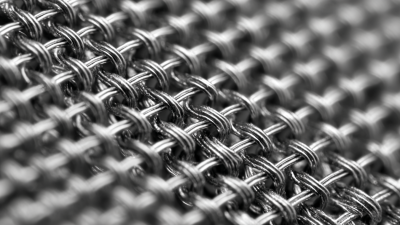
In field inspections, I check wire diameter, aperture size, weave pattern, roll width, and stated tolerances. A 100-mesh screen can differ significantly when wire diameter changes. Measure samples with calibrated calipers and a microscope. Keep three pieces from different roll sections. This often reveals edge distortion or uneven openings.

Small details matter.

Quality assessment should follow the application.

For filtration, verify particle retention, permeability, and pressure behavior under working conditions. For architectural use, inspect flatness, weld consistency, surface scratches, and cut-edge stability.

Request stainless grade confirmation, heat numbers, and a material certificate such as EN 10204 3.1. Review tensile strength and corrosion-test data when exposure is severe. Ask how batches are identified.

Traceability is practical evidence, not decorative paperwork.

I would not accept a generic “food grade” claim without the relevant standard and test scope.

Certifications need careful comparison.

Check the issuing body, certificate number, validity period, covered factory, and audited processes. ISO 9001 supports quality management, but it does not prove every mesh dimension is correct.

Independent laboratory reports can strengthen confidence when methods and sample numbers are clear. Compare like with like. Prices can hide inspection gaps, packaging weakness, or inconsistent tolerances.

I have also seen well-documented samples fail after shipment because storage was damp. That mistake is easy to overlook.

Confirm packaging, moisture protection, inspection frequency, and acceptance criteria in writing before purchase.

How Global Buyers Can Verify Suppliers and Place Orders

For global buyers reviewing China’s top stainless mesh manufacturers, supplier verification should begin with evidence, not polished websites. World Stainless reported 58.4 million tonnes of global stainless crude steel production in 2023. That scale creates choice, but also inconsistent documentation. Request mill certificates, alloy grade, wire diameter, mesh count, opening size, and production photos. Confirm certificates directly with the issuing laboratory when possible. An ISO 9001 certificate supports process control, but it does not prove every shipment meets your specification.

Use a written purchase specification with tolerances and inspection methods. ASTM A580 can help define stainless steel wire requirements, while ISO 2859-1 supports sampling plans for inspection. Ask for a pre-shipment sample, then compare it under a microscope with the approved reference. Check weaving uniformity, edge finish, roll length, and packaging moisture protection. Small details matter.

Review the supplier’s export history through UN Comtrade data and request recent third-party inspection records. Match the legal company name, bank details, factory address, and certificate information before paying. Use staged payments tied to inspection milestones. I would avoid relying only on factory videos; they show activity, not consistency. One weakness remains: even a careful inspection can miss performance problems after installation, so test corrosion resistance and tensile behavior under your actual operating conditions.

China Top 10 Stainless Mesh Manufacturers for Global Buyers

Common stainless steel grades buyers may compare when verifying material offers from mesh suppliers

The chart compares the nominal midpoint of the chromium content range for ten stainless steel grades commonly used in industrial wire mesh. Buyers should confirm the grade, chemical composition, wire diameter, mesh opening, and material certificate before placing an order. Chromium ranges are based on commonly referenced ASTM and UNS material specifications; exact limits may vary by standard and product form.