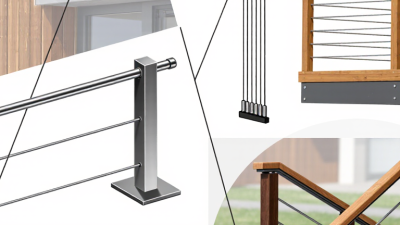
How to Choose Cable Railing Parts in 2026?

Choosing cable railing parts in 2026 requires more than matching shiny fittings to a modern staircase. Each component must support safety, durability, clean design, and practical installation. Posts, cables, terminals, tensioners, washers, and handrails work as one system. A weak connection can affect the entire railing.

Experienced installer and cable railing consultant John LeVaughn explains, “A clean-looking rail is only as dependable as the parts behind it.” That principle matters when comparing stainless steel grades, cable diameters, post spacing, and mounting methods. Marine-grade 316 stainless steel remains a strong choice for coastal decks. Interior projects may use 304 stainless steel, but moisture exposure still deserves attention. Small details matter. A missing washer can create movement.

This guide examines cable railing parts through the lens of real installation conditions. It considers balcony edges, stair angles, concrete surfaces, timber frames, and frequent hand contact. It also discusses tension control, corrosion resistance, replacement access, and compatibility between manufacturers. Product photographs can mislead. A polished fitting may still lack the correct load rating or thread size.

In 2026, buyers also need to review current local building requirements and the manufacturer’s installation instructions. Those details can change by location and project type. No single kit suits every structure. That is easy to forget. Some choices may look efficient but create harder maintenance later. The best decision balances appearance, tested performance, installation skill, and long-term reliability.
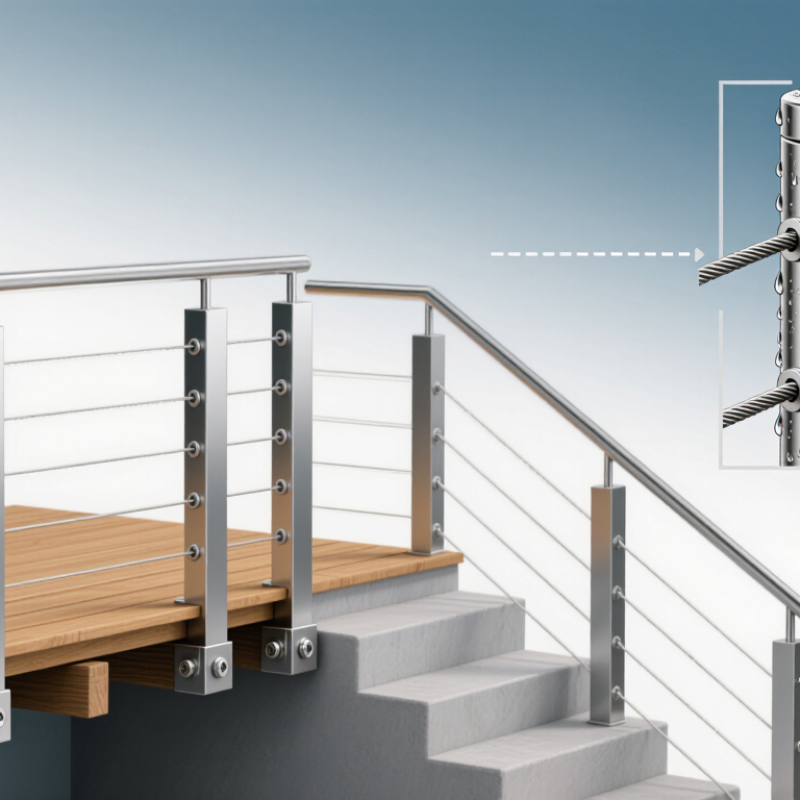
How to Choose Cable Railing Parts in 2026?

Cable Railing Parts: Materials, Functions, and Compatibility

How to Choose Cable Railing Parts in 2026?
Cable Railing Parts: Materials, Functions, and Compatibility

Choosing cable railing parts starts with material, not appearance. Stainless steel remains the practical choice for outdoor exposure, especially near coastal air. Marine-grade 316 stainless steel offers stronger chloride resistance than 304 stainless steel. Still, it is not maintenance-free. Salt deposits can stain fittings and weaken surface protection over time.

Function matters just as much. Cable terminals create tension, posts control alignment, and spacers prevent cable deflection. The 2024 International Residential Code limits guard openings to four inches in many residential applications. This measurement makes cable spacing a safety decision, not a visual preference. The International Building Code also commonly requires guards to resist a 200-pound concentrated load. Check the governing local edition before ordering parts.

Compatibility is where many installations fail. Cable diameter, terminal thread, post thickness, and corner direction must match. A 1/8-inch cable cannot automatically fit every tensioner. Mixed metals can also accelerate galvanic corrosion. The American Galvanizers Association identifies moisture and dissimilar metals as major corrosion factors. In practice, I test one complete assembly before buying the full kit. It feels slower. It can prevent expensive rework. Even experienced installers sometimes overlook post deflection, particularly on long, unsupported runs. According to ASTM A240 material requirements, stainless components should still be verified by grade and finish, not simply labeled “stainless.”

How to Measure Your Deck for Cable Railing Components

How to Choose Cable Railing Parts in 2026?

How to Measure Your Deck for Cable Railing Components

Accurate measurement starts with a simple deck sketch. Mark every corner, stair transition, post location, and gate opening. Measure each straight railing run from post center to post center. Do not rely on the deck’s outside edge alone. Record both horizontal length and vertical rise where stairs begin. The 2024 International Residential Code limits guard openings to prevent a 4-inch sphere from passing through. It also sets a typical 36-inch minimum guard height for residential decks. Local requirements may differ, so verify them before ordering components.

Tips: Measure twice, especially at corners. Note post width, cable direction, and finished flooring thickness. For each run, calculate the number of cable lines from the approved vertical spacing. Add separate terminal components for corners, stair ends, and changes in direction. ASCE/SEI 7-22 identifies guard loading as a design consideration, so post spacing should follow the engineered railing system, not guesswork. A small error here becomes expensive.

For sloped sections, record the stair angle or the exact rise and run. Standard horizontal fittings may not suit angled installations. Leave room for tensioning hardware and tool access near terminal posts. The National Association of Home Builders continues to report strong homeowner interest in outdoor living improvements, but demand does not replace careful field verification. An uneven deck edge can mislead even experienced installers. Recheck unusual conditions before selecting cable lengths, posts, and fittings.

Choosing Posts, Cables, Fittings, and Handrail Systems

How to Choose Cable Railing Parts in 2026?

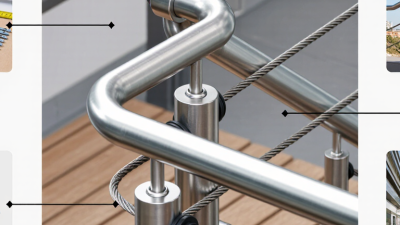
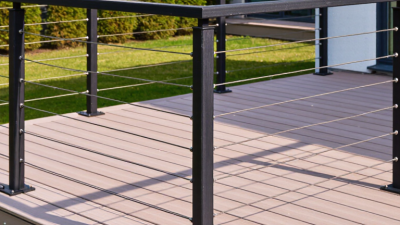
Posts carry the system, so select them before choosing cables or fittings. Measure the deck edge, support spacing, and anchoring surface carefully. The 2023 American Community Survey shows that roughly two in five U.S. homes were built before 1980. Older framing may need reinforcement before installation. That detail is easy to miss. I have seen attractive railings fail because posts were fastened only to thin decking. Choose stainless steel or properly protected metal for exposed locations. Match the post shape to the route. Corner, end, and intermediate posts each perform different jobs. Keep cable spans short enough to limit visible sag. Smaller spans usually feel firmer.

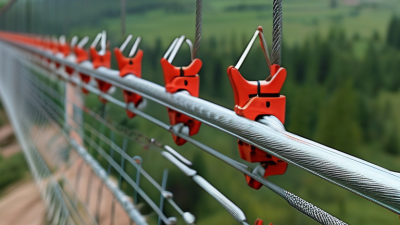
Use corrosion-resistant cable with fittings designed for its diameter and metal type. Swage fittings can create a clean finish, but they require accurate tools and consistent pressure. Mechanical fittings are easier to inspect, though sometimes bulkier. Test tension gradually. Over-tightening can bend posts or damage framing. The 2024 International Residential Code identifies a 200-pound concentrated load for handrails and guards in its structural provisions. Local requirements can differ. Check them before ordering parts. Cables must also preserve the required opening limits, commonly tested with a four-inch sphere. Handrails should offer a continuous, comfortable grip and return safely at ends. A square top rail may look modern. It may feel awkward in winter. That is worth reconsidering.

Evaluating Safety, Durability, Codes, and Maintenance Needs

How to Choose Cable Railing Parts in 2026?

Choosing cable railing parts starts with actual loading, opening size, and local approval requirements. The 2024 International Residential Code, Section R301.5, lists 200-pound concentrated guard loads and 50 pounds per linear foot. It also limits openings so a four-inch sphere cannot pass through typical guard sections. Stair rules can differ. Confirm requirements with the local building authority before ordering posts or terminals.

Cable diameter matters, but fitting geometry matters more. Use stainless components rated for outdoor exposure, with compatible posts, washers, and tensioners. The NACE IMPACT study estimated global corrosion costs at 2.5 trillion dollars annually, or 3.4% of global GDP. That figure is not a cable-railing prediction. It warns against ignoring salt, moisture, and dissimilar metals. Near coasts, choose corrosion-resistant alloys and prevent trapped water around drilled penetrations. A clean finish helps.

Plan maintenance around movement, not convenience. Inspect cable tension, post deflection, loose fasteners, sharp ends, and corrosion at least annually. Inspect sooner after storms or heavy use. Cable systems can relax as wood framing dries. Retightening may be necessary. Do not rely on hand pressure alone; follow the fitting supplier’s specified method and torque guidance. I have seen attractive installations fail inspection because end connections were inaccessible. That mistake is easy to repeat. Leave service access and record inspection dates, deflection, and replaced parts. The log helps, but it cannot replace a qualified inspection.

Comparing Installation Methods, Costs, and Long-Term Value

Choosing cable railing parts in 2026 starts with the installation method, not the finish. From hands-on installation experience, drilled posts create a clean line but demand accurate layout. Surface-mounted posts install faster on solid concrete or framed decks. They can expose weak substrates, however. Cable runs using swage fittings often need a dedicated crimping tool. Threaded tensioners are easier to adjust later. That convenience costs more.

A realistic budget includes posts, cables, terminals, fasteners, tools, labor, and inspection time. Stainless steel grades matter outdoors, especially near salt air. Lower-priced fittings may look attractive in a quote. Replacement work can erase the savings. I once underestimated drilling time on a retrofit deck. The parts were affordable; access was not. Access matters. That mistake changed how I compare estimates.

Long-term value depends on tension stability, corrosion resistance, and service access. Choose components that allow one cable to be tightened without dismantling the entire run. Leave room for seasonal movement and follow local spacing and load requirements. Wipe exposed metal periodically, then check loose cables and damaged threads. A polished finish is not proof of durability. I still question whether the cheapest installation is wise when future repairs require removing trim or flooring. Ask for a written parts schedule and a clear maintenance plan before approving the work.