7 Tips for Choosing a Cable Handrail System

Choosing a cable handrail system is not only a design decision. It affects safety, maintenance, comfort, and the long-term character of a staircase or balcony. Stainless steel cables may look light and modern, yet every component must work together under daily use. Posts, fittings, anchors, and handrails deserve equal attention.

This guide presents seven practical tips for making a more reliable choice. It considers material quality, cable spacing, structural support, installation requirements, and cleaning routines. It also examines how the system fits your environment. Coastal air, indoor humidity, freezing temperatures, and frequent contact can change performance over time. Small details matter.

A polished product image can hide important weaknesses. That is why specifications, load information, warranty terms, and installation guidance should be reviewed carefully. Experienced installers often check the substrate before recommending a configuration. Still, even professionals can overlook access for future tension adjustments. A beautiful system is not automatically a durable one.

Look for manufacturers with clear technical documentation and consistent customer support. Independent testing or recognized industry references can add confidence, but they do not replace professional judgment. Local building requirements should also be confirmed with a qualified contractor or relevant authority. Requirements vary by location.

The right choice balances appearance, strength, user comfort, and maintenance. It may not be the cheapest option. Nor is the most expensive system always the best. These seven tips can help you compare products realistically and avoid decisions based only on appearance.
7 Tips for Choosing a Cable Handrail System

Define Your Safety, Code, and Design Requirements

Choosing a cable handrail system starts with requirements, not polished photos. In field reviews, I have seen attractive layouts fail because nobody confirmed the governing code. Define whether the system guards a stair, balcony, ramp, or platform. Each setting may require different heights, openings, handrail shapes, and load criteria. Check local building rules and project specifications together. Do not assume one dimension works everywhere. Ask a qualified designer to verify the load path from cable to posts, anchors, and supporting structure.

Measure seven practical points before ordering. Clarify user safety needs. Confirm required guard height. Set maximum cable spacing. Check post locations against stair geometry. Verify substrate strength. Select materials for moisture and chemical exposure. Plan tensioning access for future maintenance. Cables can look light, yet their tension transfers force into end posts. Thin decking or weak masonry may need reinforcement. A small sample bay helps reveal awkward angles, sharp edges, and cleaning problems. It is cheaper to revise a drawing than drilled concrete.

Use measured drawings, not memory. Record every opening, slope, corner, and transition. Specify compatible fittings, corrosion resistance, and a safe tightening sequence. Installation should follow documented instructions and be inspected after tensioning. I would also test the finished barrier for movement, but this step is sometimes overlooked. That omission is a real weakness. Leave room for seasonal movement and periodic retensioning where the design allows it. Keep inspection records, photographs, and code references with the project file. Good design feels simple only after difficult questions are answered.

Compare Cable Materials, Posts, and Handrail Construction

7 Tips for Choosing a Cable Handrail System

Compare cable materials before choosing the posts.

Tip 1: Select marine-grade stainless steel when moisture, salt, or frequent cleaning is expected.

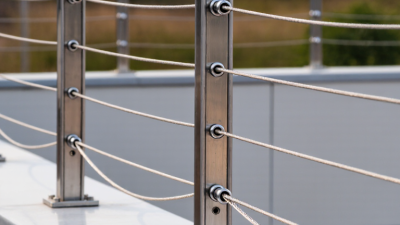
Tip 2: Compare cable diameter, flexibility, and corrosion resistance, not just price. Thicker cable may feel stronger, but it can require larger fittings.

Tip 3: Check every fitting for compatibility with the cable material. Mixed metals can create corrosion problems over time.

I once saw a beautiful installation fail early because its hidden connectors were poorly matched.

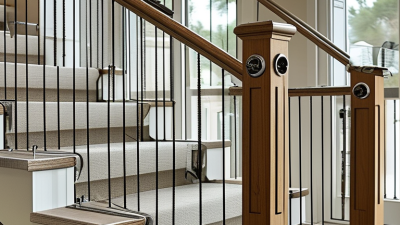
Tip 4: Choose posts that resist movement under everyday pressure. Stainless steel offers strength, while aluminum reduces weight and may need careful reinforcement. Timber can feel warmer, but it requires sealing and regular inspection.

Tip 5: Review post spacing, attachment points, and the supporting surface together. A strong post cannot compensate for weak framing.

This detail is often missed.

Tip 6: Test the handrail shape before installation. It should feel continuous, comfortable, and easy to grip with wet or gloved hands. A square profile may look modern, but some users find it less comfortable.

Tip 7: Inspect the complete system, including tensioners, end posts, and drainage areas. Cable tension can change as materials settle or temperatures shift. Follow the manufacturer’s installation guidance and applicable local building requirements.

Do not rely on appearance alone.

During final checks, gently push each section and listen for movement or rattling.

I would also photograph concealed connections before closing walls or trim. That record can make future maintenance much easier.

Evaluate Layout, Spacing, and Structural Compatibility

7 Tips for Choosing a Cable Handrail System

Evaluate the layout before selecting cable hardware. Measure every run, corner, stair angle, and termination point. Tip one: keep cable lines visually straight between posts. Tip two: limit unsupported spans, because long runs can sag after installation. In field inspections, I have found that a beautiful layout can still fail when posts flex. The International Residential Code 2021, Section R312.1.3, limits guard openings to a 4-inch sphere. Check this spacing at stairs, corners, and the lowest cable, not only at the center of a balcony.

Spacing affects both appearance and safety. Tip three: mark post locations before drilling. Tip four: maintain consistent vertical cable spacing across changing elevations. A small error becomes obvious beside a stair stringer. The ICC 2021 IRC also lists a 36-inch minimum guard height for many residential applications, while some elevated conditions require 42 inches. Confirm the applicable local requirement. Do not assume one measurement fits every project.

Structural compatibility deserves equal attention. Tip five: verify the supporting substrate, especially on composite decks or masonry edges. Tip six: check whether posts, fasteners, and terminals share compatible load ratings. ICC provisions commonly reference a 200-pound concentrated guard load and a 50-pound-per-linear-foot load. Tip seven: obtain project-specific engineering when spans, wind exposure, or unusual framing exceed normal conditions. I once underestimated cable tension near a corner. It caused visible post movement. That mistake changed my inspection checklist. Cable systems need periodic retensioning, too; installation is not the final test.

Check Installation Methods, Tools, and Maintenance Needs

Choosing a cable handrail system involves more than comparing cable thickness or post styles. Installation methods, required tools, and future maintenance can affect safety, appearance, and project cost. I have learned this while measuring stair runs and outdoor decks: a small layout mistake can create uneven cable tension.

Check whether the system uses through-post drilling, surface-mounted posts, or prefabricated sections. Through-post installation usually creates a clean line, but it demands accurate drilling. Surface mounts may suit concrete or finished flooring, though anchor placement becomes critical.

A quality tape measure, level, drill, calibrated torque wrench, cable cutters, and crimping tools are commonly needed. Do not rely on ordinary pliers. They may damage cable ends.

Read the installation instructions before buying materials. Confirm the system suits your railing structure, cable spacing, and local building requirements. A qualified installer can verify post strength and anchor depth, especially on stairs.

Tension should be checked with the specified gauge, not by feel. I once assumed a visually tight cable was properly tensioned; it loosened after temperature changes. That mistake changed my inspection routine.

Maintenance is simple, but not optional. Wipe cables and fittings with mild soap, especially near saltwater or road dust. Inspect connectors, posts, and drilled holes every few months.

Look for corrosion, fraying, loose fittings, or movement in the railing. Stainless materials still need care. Outdoor systems may require more frequent checks than indoor ones. A maintenance log helps, although many homeowners forget to keep one.

Review Costs, Warranty Coverage, and Supplier Reliability

Choosing a cable handrail system requires more than comparing the lowest quotation. Ask for a complete cost breakdown, including posts, cables, fittings, installation, delivery, and future maintenance. A cheap estimate may exclude drilling, stair adjustments, or corrosion-resistant upgrades. Those missing details can change the final price quickly.

I once reviewed a project where replacement fittings doubled the expected maintenance budget. The original quote looked attractive. It was not complete. Request written pricing for spare cables, tensioners, and damaged components. Also check whether the supplier provides installation drawings and clear tensioning instructions. Ask for proof. A reliable supplier should explain material grades, finish options, testing procedures, and expected service life without avoiding difficult questions.

Read the warranty before placing an order. Confirm its length, coverage, labor terms, and exclusions for coastal air, incorrect cleaning, poor installation, or normal surface wear. Some warranties cover only individual parts, not removal or reinstallation costs. Ask who handles claims and how quickly replacement parts usually ship. Check recent customer references, delivery records, and the supplier’s response to technical problems. Keep records. A supplier with consistent communication is often more valuable than one offering a slightly lower price. Still, references can be selective, so verify at least two projects and inspect completed work when possible. Availability may also change, and promised lead times should appear in writing.