Top 10 Cable Railing Parts for Global Buyers to Consider?
In recent years, the demand for cable railing parts has surged. According to a report from MarketsandMarkets, the global market for cable railing systems is expected to grow significantly, driven by rising safety standards and aesthetic appeal. As buyers and manufacturers navigate this growing landscape, selecting the right components becomes crucial.
Choosing high-quality cable railing parts not only ensures durability but also enhances the visual appeal of spaces. Research from the American Society of Civil Engineers highlights that proper railing systems can reduce accidents by 30%. However, misalignment and incorrect installation challenge even seasoned professionals.
This article aims to guide global buyers through the top 10 essential cable railing parts to consider. Understanding each part's function is vital. It empowers buyers to make informed decisions based on functionality, aesthetics, and safety. Railing systems are more than just barriers; they hold the potential to transform spaces while meeting stringent safety regulations.
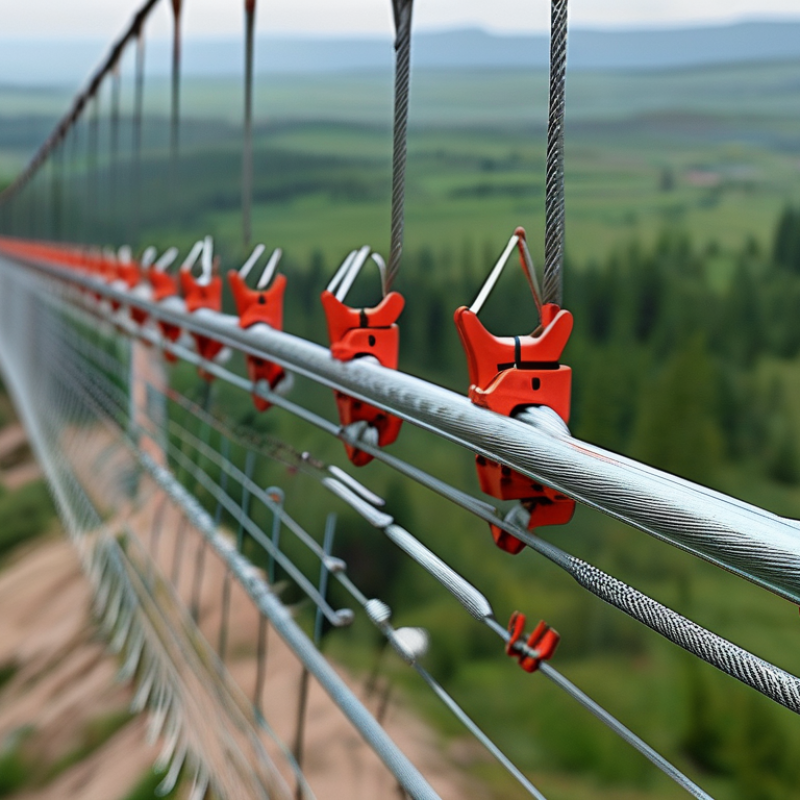
Essential Components of Cable Railing Systems
Cable railing systems are increasingly popular for their modern aesthetic and safety features. Key components play a crucial role in their functionality and durability. Creating a secure and visually appealing railing requires careful selection of parts. Reports indicate that the global demand for cable railing components is projected to grow at a CAGR of 5% through 2027. Understanding these essential components helps in making informed decisions.
One vital part is the cable itself, typically made from high-strength stainless steel. The diameter and grade significantly influence the system's strength and lifespan. Similarly, tensioning devices like turnbuckles and tensioners ensure the cable maintains proper tension. These components are vital for safety, as a loose cable can lead to failures. Industry surveys show that more than 80% of installation issues arise from incorrect tension adjustments.
End fittings are equally important, providing secure anchor points for cables. They come in various styles to match aesthetic preferences and safety requirements. The choice of materials for these fittings affects corrosion resistance and durability. Data from industry research reveals that consumers prioritize longevity and maintenance in their purchasing decisions. Quality components lead to more reliable railing systems, thus enhancing buyer confidence.
Key Considerations for Choosing Cable Railing Parts
When selecting cable railing parts, certain considerations are essential. Durability is crucial. Materials such as stainless steel typically offer longevity and resistance to weather conditions.
However, not all steel is created equal; varying grades can affect performance. Buyers should typically investigate specifications.
Another vital aspect is the design and aesthetic appeal. Cable railings can enhance the look of both indoor and outdoor spaces.
Consider the thickness and spacing of the cables, as this impacts safety and style. Also, the finish of hardware can change how it blends with other materials.
Installation ease is another factor to weigh carefully. Some systems require specialized tools or skills.
Assessing whether parts are user-friendly can save time and frustration. Many buyers overlook compatibility with existing structures.
Ensuring that all components work together smoothly can prevent future issues, thus enhancing the overall railing experience.
A Detailed Look at Cable Tensioning Devices
When it comes to cable railing systems, tensioning devices play a crucial role in maintaining safety and aesthetics. Proper tensioning ensures cables remain taut, preventing sagging and potential hazards. Common devices include turnbuckles and tensioners. Each serves a specific function in the overall stability of the railing system.
With the right cable tensioning device, users can achieve a sleek finish. Turnbuckles provide adjustable tension, enabling fine-tuning post-installation. However, installation can sometimes present challenges. Misalignment may lead to uneven tension, causing cables to sag or even snap. It’s essential to check alignment regularly and adjust accordingly.
For those who may overlook the importance of tension, consider this: improper cable tension can lead to weak spots in your railing. Regular inspections are vital. Monitor for signs of wear, rust, or movement in your tensioning devices. Investing in high-quality materials is another way to enhance the longevity of your cable railing system. This approach ensures reliability in both function and appearance.
Varieties of Cable Attachments: Types and Uses
When selecting cable attachments for railings, understanding their types and uses is essential. Various connection methods impact safety and aesthetics. For example, tensioners are crucial for maintaining proper cable tension, ensuring a secure installation. Swage fittings offer a sleek look but require specialized tools for installation. Both options provide unique advantages in design and functionality.
Choosing the right attachment style can be challenging. Some options, like lag screw connections, may be simple yet not as adaptable for complex designs. Others, like crimped fittings, require extensive planning and execution. It's vital to consider the materials used in your railing system. Stainless steel attachments resist corrosion better, making them ideal for outdoor settings.
Evaluate your project needs before finalizing. A proper attachment can enhance the entire railing system. Remember that the installation process could reveal some challenges. For instance, if adjustments are necessary, having a flexible connection method may save time. Testing your setup with temporary fittings can help identify potential issues early in the process. Always prioritize safety and functionality in your decisions.
Top 10 Cable Railing Parts for Global Buyers to Consider
Best Practices for Installing Cable Railing Components
When installing cable railing components, attention to detail is critical. Proper tensioning of the cables increases safety and durability. According to the American Institute of Steel Construction, a tension of 200 pounds is optimal for cable railings. Ensuring each cable is evenly tensioned prevents sagging and potential failures.
The choice of materials significantly affects performance. Stainless steel is popular due to its resistance to corrosion, which aligns with data from industry reports highlighting its longevity in coastal environments. However, improper installation can lead to rusting and degradation over time, especially if low-quality materials are used. Regular inspections and maintenance are recommended.
Environmental factors can also impact installation choices. In regions with heavy snowfall, stronger tensioning and a more robust framing system might be necessary. Buyers should be aware that inadequate attention to these factors could lead to costly repairs. As such, meticulous planning and execution in the installation phase cannot be overlooked.