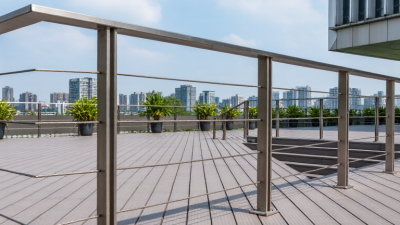
China Top Cable Railing Manufacturers for Global Buyers
Choosing a cable railing manufacturer in China involves more than comparing prices or browsing polished product photos. Global buyers need to assess materials, fabrication quality, communication, and the supplier’s ability to support a project from samples to shipment. A clean weld matters. So does a cable that stays properly tensioned after installation. Stainless steel grade, cable diameter, post spacing, and fitting design can all affect performance, appearance, and maintenance needs.
This guide introduces Chinese manufacturers that serve international markets and outlines practical points for evaluating them. Buyers can request material specifications, production details, inspection records, and clear quotations before placing an order. Ask how the company manages custom dimensions, packaging, lead times, and replacement parts. For coastal projects, discuss corrosion resistance carefully rather than relying on a broad “marine-grade” claim. Requirements also vary by site, so confirm applicable project standards with qualified local professionals.
A supplier’s website is only a starting point. Factory photographs and certificates may help, but they do not answer every question. Request current documentation and, where feasible, review samples or arrange an independent inspection. Some details may remain uncertain until production begins; that is worth acknowledging. Comparing manufacturers with the same checklist can make differences easier to see and reduce avoidable surprises. The right cable railing partner is not simply the lowest bidder, but a supplier whose capabilities, evidence, and communication fit the project.
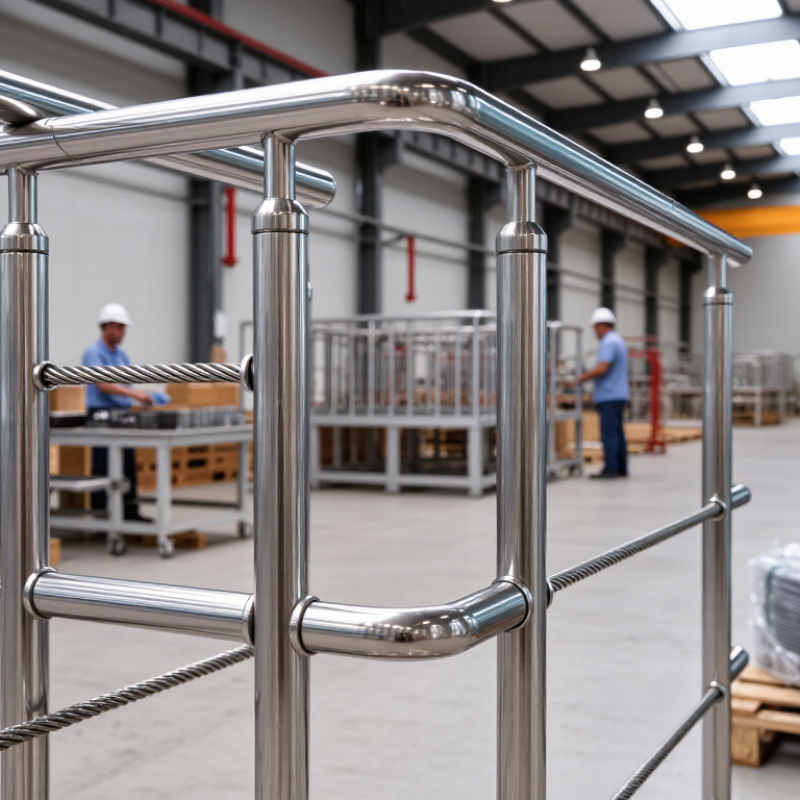
China’s Cable Railing Industry and Its Global Market
China’s cable railing industry serves a broad global market, supported by metalworking capacity and suppliers of posts, wire, fittings, and hardware. Buyers can often compare custom lengths, finishes, and connection details across multiple factories. That flexibility is useful for balconies, stairways, and terraces, where post spacing and cable direction affect the final layout. But production scale alone says little about quality.
Material selection matters. Stainless steel grade, surface finish, cable diameter, and fitting design all influence corrosion resistance and maintenance needs. Conditions differ: a sheltered indoor staircase is not the same as a coastal deck exposed to salt spray. Ask suppliers for material documentation, installation drawings, and relevant test records. Then check that the proposed system suits local project requirements; requirements vary by market. Even a polished catalog cannot replace careful specification review. I would not assume every detail is settled before installation.
Tips: Share drawings, opening dimensions, and site exposure early. Request a sample fitting and confirm how cables are tensioned and adjusted. Check packaging and spare-part availability, too. Small details count. Compare written specifications, not just prices, and allow time for clarification.
Key Products and Capabilities of Leading Chinese Manufacturers
Chinese cable railing manufacturers typically supply stainless-steel wire, posts, tensioners, end fittings, and handrails as separate components or coordinated kits. Options often include 304 or 316 stainless steel, with surface finishes suited to indoor or coastal projects. Some factories also offer cut-to-length cables, custom post spacing, and installation drawings. Small details matter: a cable that looks taut in a sample panel may need retensioning after installation.
Material capacity is substantial, but it does not guarantee railing quality. The World Steel Association’s World Steel in Figures 2024 reports global crude steel production of 1,888.2 million tonnes in 2023; the International Stainless Steel Forum reports 58.4 million tonnes of stainless-steel production that year. These figures describe the wider supply base, not railing-grade output. Buyers should request material certificates, dimensional tolerances, load-test records, and clear guidance for corner posts and cable spacing. Ask how suppliers control batch traceability, too. A neat catalogue is not proof. Coating, salt exposure, fixing substrate, and local project requirements can change the right specification, so independent review remains sensible.
How to Evaluate Cable Railing Manufacturers in China
When evaluating cable railing manufacturers in China, look beyond polished catalogs. Request material certificates for cable, posts, and fittings, then match each certificate to the quoted specification. Check whether the factory can trace production batches and share inspection records. Ask how it tests cable tension, fitting pull-out strength, and corrosion resistance. A neat sample is useful, but it cannot prove consistent production.
The World Stainless Association’s Stainless Steel in Figures 2024 reports 58.4 million tonnes of stainless steel production worldwide in 2023. This signals a large material supply, not that any individual railing system is durable. Ask for the exact alloy grade and test conditions. Compare reports from independent laboratories, and confirm that samples represent the finished product. No checklist catches every issue.
Tips: Request a small production sample, not only a showroom piece. Photograph cable ends, swage fittings, and welds before shipment. Check whether the proposed cable diameter and post spacing suit your project drawings. If a supplier cannot explain a test result plainly, pause and ask again. Slightly awkward, perhaps, but better than discovering the gap after installation.
Export Standards, Customization, and International Support
For global buyers, export readiness begins with clear, verifiable documentation. Ask manufacturers for material specifications, load-test reports, packaging details, and installation guidance before placing an order. Requirements can differ by destination and project type, so confirm applicable building codes with local professionals. A tidy document pack helps, but it does not replace project-specific review.
Customization should cover more than cable spacing. Discuss post dimensions, surface finishes, cable grade, terminal fittings, and corner layouts using drawings or sample measurements. A useful supplier will explain which changes affect strength, lead time, or maintenance. Details matter.
International support also deserves practical questions: Who checks drawings across time zones? How are damaged parts reported? Can instructions include clear diagrams and metric measurements? Strong communication reduces avoidable delays, though no checklist catches every site condition. Buyers should still verify dimensions and installation plans before production, even when the first samples look right. Export experience is valuable, but responsiveness after shipment may reveal more about a supplier’s reliability.
Comparing Manufacturers for Your Project Requirements
Comparing cable railing manufacturers starts with the project conditions, not catalogue photos.
Record the span, post spacing, stair angles, exposure, and required design loads before requesting quotes. World Stainless reported global stainless-steel production of 58.4 million tonnes in 2023. That scale signals broad material availability, but it does not prove a supplier’s alloy grade or quality control. Ask for material certificates, cable diameter, fitting specifications, and traceable batch records. Small details matter.
A useful comparison includes engineering support, sample availability, lead time, packaging, and replacement-part supply. Request test documentation that identifies the tested assembly, load direction, and installation conditions; a cable strength figure alone says little about the finished guard.
Check how the system handles corners and stair transitions, where fittings can look neat yet complicate tensioning. Clarify who verifies local project requirements. Then compare landed cost, not just unit price. Cheap can become expensive.
A sample post may feel rigid while a longer installed run behaves differently, so confirm the proposed spacing with project-specific calculations. I would not treat a polished brochure as evidence; manufacturers should be able to explain their assumptions plainly.
Related Posts
-
2026 Best Cable Handrail Systems for Global Buyers
-
7 Cable Handrail Buying Tips for Global Buyers
-

Why Choose Metal Cable Railing for Global Projects?
-
Top 10 Cable Railing Tips for a Stunning and Safe Deck or Balcony Design
-
7 Tips for Choosing the Right Cable Handrail System?
-
China Top Wire Deck Railing Suppliers for Global Buyers