2026 Best Cable Handrail Systems for Global Buyers

A cable handrail can make a stair, balcony, or deck feel open without losing a clear visual boundary. For global buyers, however, appearance is only the starting point. Cable spacing, post stiffness, end fittings, corrosion resistance, and installation access all affect how a system performs over time. Small details matter.

The scale of construction helps explain why product selection deserves care. Global Construction Perspectives and Oxford Economics’ Global Construction 2030 study projected that worldwide construction output would reach $15.5 trillion by 2030, an 85% increase from 2014. That figure is a long-range forecast, not a measurement of cable handrail sales. Still, it points to a broad, expanding project market with varied climates, building types, and supply chains.

This guide compares systems through practical questions: What grade of stainless steel is specified? Can the fittings maintain cable tension? Are replacement parts easy to source? Does the supplier provide test documentation and installation guidance? These checks help buyers compare complete systems, not just polished product photos. Codes and approval requirements also vary by location; the 2021 International Building Code is one reference, but local adoption and project conditions matter. Not everywhere. A specification that works beside a sheltered indoor stair may need reconsideration on a salt-exposed coastal deck. No shortlist can replace project-specific review, and that is worth admitting.
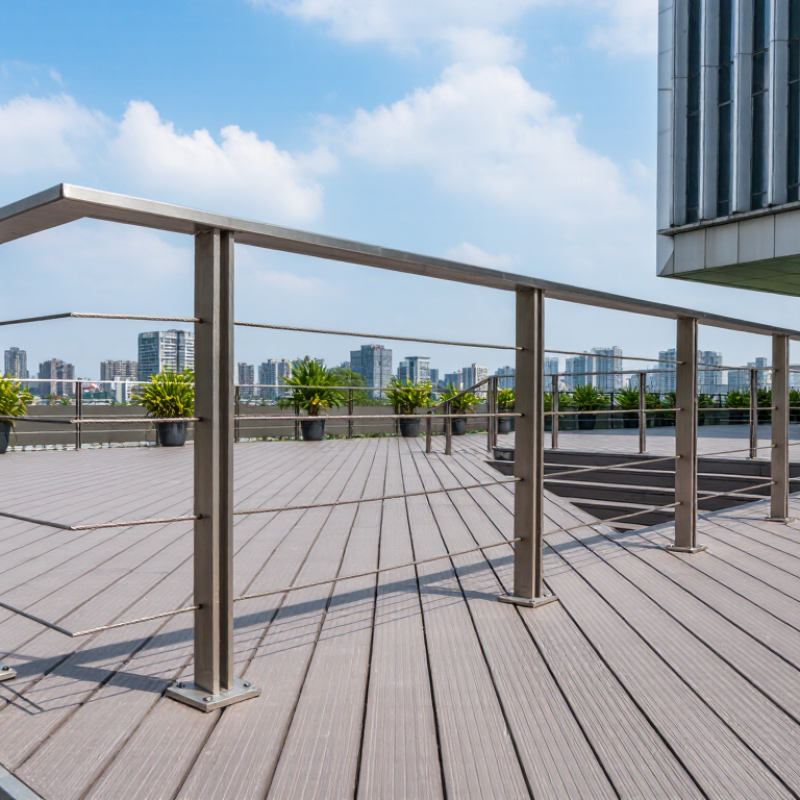
2026 Best Cable Handrail Systems for Global Buyers

Understanding Cable Handrail Systems and Their Core Components

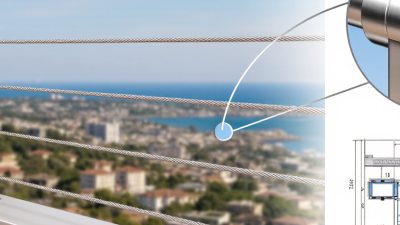
A cable handrail system is more than a row of wires. Its main parts are structural posts, horizontal cable, end fittings, tensioners, and a graspable top rail. Posts carry the load; terminal fittings anchor each cable run, while tensioners help control slack. Intermediate posts limit cable movement across longer spans. A useful detail: cables need even spacing and consistent tension, yet neither should be guessed from appearance. Local building requirements differ, so buyers should confirm opening limits and load criteria before selecting a layout.

Material choice matters, too. The World Steel Association’s World Steel in Figures 2024 reports global crude steel production of about 1.89 billion tonnes in 2023. That scale signals broad steel availability, not equal quality across products. Ask for documented alloy grades, finish details, and corrosion guidance for the installation environment. Salt air can expose weak material choices quickly. Small parts matter. Inspect cut ends, fittings, and the top-rail connection, not just the polished cable. One practical weakness is maintenance: tension may need checking after installation, and exposed fittings can be harder to reach than expected. For global buyers, clear drawings and component specifications make comparisons more reliable than a low headline price.

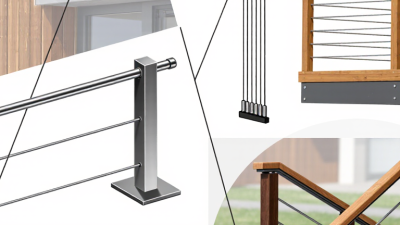
Comparing Cable, Post, and Top-Rail Materials

Cable, post, and top-rail materials shape a handrail system’s appearance, upkeep, and feel. Stainless-steel cable offers slim sightlines and handles exposure well when its grade suits the environment. Salt air can still leave marks, so routine rinsing matters. Cable also needs careful tensioning. A small adjustment can change how firm a long run feels.

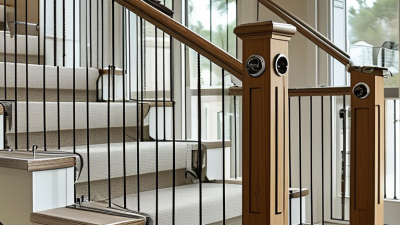
Posts carry the load and determine much of the system’s character. Stainless steel provides a sturdy, consistent finish, while aluminum is lighter and may need less effort to handle during installation. Wood adds warmth, but its finish and condition need regular attention. The details matter: post spacing, cable fittings, and the supporting structure all affect performance. No single material wins everywhere.

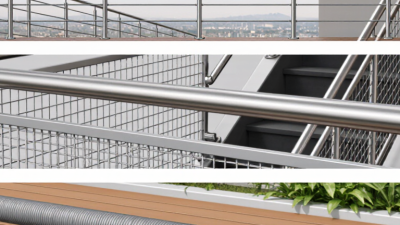
A top rail gives hands a comfortable, continuous surface and can help stiffen the assembly. Metal rails pair neatly with metal posts; wood can soften a more industrial look. Check how each material meets the others, especially where water might collect. For coastal sites, compare corrosion resistance and maintenance needs before choosing. I would not assume a polished sample tells the whole story. Ask for material specifications, then inspect a sample outdoors if possible. That extra check is easy to skip.

2026 Best Cable Handrail Systems for Global Buyers - Comparing Cable, Post, and Top-Rail Materials
System Configuration Cable Material Post Material Top-Rail Material Typical Strengths Key Considerations Maintenance and Best-Fit Applications
Marine or coastal stainless-steel system 316 or 316L stainless-steel wire rope is commonly selected for improved resistance to chloride exposure compared with 304 stainless steel. 316/316L stainless steel, or suitably specified aluminum with compatible fittings. 316/316L stainless steel or a compatible exterior-grade material. Good choice for exposed coastal settings when the complete assembly is specified for the environment. “Marine grade” does not mean maintenance-free. Salt deposits, crevices, dissimilar-metal contact, and unsuitable fittings can contribute to corrosion. Rinse periodically in salt-exposed locations and inspect cables, terminals, and connections. Commonly considered for waterfront decks, balconies, and coastal walkways.
General exterior stainless-steel system 304 stainless-steel cable may suit many inland or less aggressive environments; 316/316L is often preferred where chloride exposure is higher. 304 or 316 stainless steel, chosen to match exposure and the cable hardware. Stainless steel, aluminum, or appropriately protected wood. Corrosion-resistant construction with a slim, open appearance and relatively low visual obstruction. Material selection should reflect local exposure, including de-icing salts and industrial pollution. Use compatible fittings and follow the system maker’s tensioning instructions. Inspect for loose fittings, cable damage, and corrosion. Suitable for many residential and commercial exterior applications when designed for local requirements.
Aluminum-post system with stainless cable Typically 304 or 316 stainless-steel cable, depending on the environment. Aluminum posts, often with a protective anodized or coated finish. Aluminum, stainless steel, or wood, subject to compatible connections. Aluminum can reduce system weight and offers a range of finish options. Stainless steel and aluminum can form a galvanic couple in the presence of an electrolyte. Appropriate isolation, drainage, and compatible fasteners help manage this risk. Check coatings, joints, and cable fittings during routine inspections. Often considered where lower weight or a coordinated finish is important.
Wood-post system with stainless cable Usually stainless-steel wire rope selected for the site exposure. Structurally suitable, appropriately protected timber; species, treatment, and detailing affect durability. Wood, stainless steel, or another compatible rail material. Combines a warm, traditional appearance with open cable infill. Wood movement, moisture, decay, and the strength of cable anchor points need consideration. Posts and framing must resist the loads required by the applicable code. Inspect timber for cracking, rot, water damage, and loose connections; maintain finishes as needed. Suitable for decks and outdoor spaces where a wood appearance is preferred.
All-stainless-steel system Stainless-steel wire rope, commonly 304 for less aggressive environments or 316/316L for greater chloride exposure. Stainless steel, with grade selected for the exposure conditions. Stainless steel. Consistent material appearance and a durable, non-combustible metal assembly. Higher material cost may apply. Surface finish, weld quality, drainage, and cleaning practices influence long-term appearance and performance. Clean and inspect periodically, especially in coastal or industrial environments. Often used where a coordinated metal finish is desired.
Mixed-material system with wood top rail Stainless-steel cable, selected for the exposure. Stainless steel, aluminum, or timber, with details designed for the chosen combination. Exterior-suitable wood, which provides a warmer hand-contact surface. Pairs the open look of cable infill with the natural appearance and feel of wood. Wood needs appropriate detailing and upkeep. Connections between metal supports and the rail should allow for material movement and weather exposure. Check rail finish, joints, and fasteners as part of routine maintenance. Consider for residential terraces and settings where wood is part of the design.
Interior or sheltered stainless-steel system 304 stainless-steel cable is commonly considered for dry, sheltered interiors; actual suitability depends on the indoor environment. 304 stainless steel or another specified structural material. Stainless steel, wood, or another compatible material. Offers a visually light barrier and avoids routine exposure to outdoor weather. Indoor pools, high-humidity spaces, cleaning chemicals, and other corrosive conditions may require a different material specification. Clean with products suitable for the finish and inspect cable terminations. Commonly considered for stairways, mezzanines, and interior balconies.
Engineered system for code-sensitive installations Specified stainless-steel cable and terminals as a tested or engineered assembly. Posts and supporting structure sized and connected for the project’s design loads. Continuous graspable or protective rail where required by the applicable rules. Prioritizes verified structural performance and project-specific compliance over material appearance alone. Permitted cable spacing, openings, guard height, handrail requirements, and design loads vary by jurisdiction and building type. Cable deflection can affect opening limits. Obtain local design review and approval before purchase. Verify the complete assembly, substrate, anchorage, installation details, and maintenance instructions.

Buyer note: No single material or configuration is best for every location. Confirm local building requirements, environmental exposure, structural design loads, cable spacing, post anchorage, and the compatibility of all fittings before specifying or installing a system.

Assessing Safety Standards and Regional Building Codes

Cable handrail safety is not defined by one global rule. Buyers should confirm the governing building code, local amendments, and inspection requirements before approving a system. Requirements can differ by building use, guard height, opening size, and expected loads. Check the authority having jurisdiction, not just a supplier’s product sheet.

Look closely at the details. A cable may appear tight in a showroom sample but deflect under pressure on a long span. Ask for documented load data, installation instructions, and compatible post spacing. Verify that the proposed openings meet local limits, including after cables are tensioned. Good records matter. Keep drawings, material specifications, and inspection notes together for the project team.

Material choice also affects long-term safety. Coastal salt, freeze-thaw cycles, and cleaning chemicals can change corrosion risk. Confirm that fittings, posts, and cables suit the actual environment, and ask how tension should be checked over time. A tidy catalog diagram can still leave out awkward corners or uneven stair runs; I would not treat it as a field-ready plan. Have a qualified local professional review the layout and code requirements before installation.

Evaluating System Performance for Different Project Needs

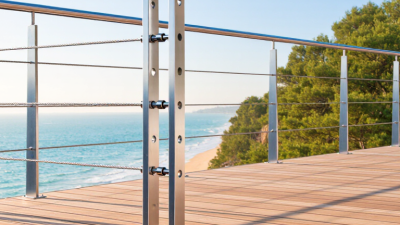
For coastal projects, cable handrail systems need more than a clean appearance. Salt air can accelerate corrosion, so buyers should check cable and fitting materials, surface finishes, and maintenance guidance. On long balconies, cable tension and post spacing affect stiffness. A handrail that feels firm in a short sample bay may flex across a wider span. Ask for project-specific layout details, not only catalogue dimensions.

Interior stairs often have different priorities. Slim posts can preserve sightlines, while cable spacing and end fittings influence installation time and upkeep. For public or high-traffic areas, consider how the system handles repeated contact, cleaning, and replacement of individual cables. Confirm that the proposed design suits local building requirements and the actual substrate. Installation quality matters. Even sound components can perform poorly when anchors are unsuitable or tension is uneven. I would not judge a system from appearance alone; that is an easy mistake.

Tips: Compare material specifications, span limits, tensioning access, and maintenance needs before requesting quotes. Ask installers how they will verify cable tension after fitting. Keep a sample fitting in hand if possible. Small details can change the result.

Selecting Suppliers and Planning Installation and Maintenance

Choosing a cable handrail supplier starts with the project conditions, not a catalogue photo. Share the site drawings, cable spans, post spacing, and exposure to salt or freezing weather. Ask for material specifications, installation instructions, load-test documentation, and replacement-part availability. Clear answers matter. A supplier should explain how its fittings match the selected posts and cable diameter, rather than offering a vague compatibility claim. Request a sample terminal if the connection is unfamiliar. It can reveal machining quality before a full order is placed. I would not assume the lowest quote includes the tools, spare fittings, or shipping time needed to finish the job.

Plan installation around measured tension and the structure supporting the cables. Use a calibrated tension gauge and follow the supplier’s specified sequence; overtightening can strain posts or distort a long run. A qualified installer should confirm that the design meets applicable local requirements. Small details matter, too: leave access to turnbuckles, protect cut cable ends, and account for temperature changes. It is easy to miss one.

Set a maintenance schedule before handover. Inspect fittings, posts, and cable lines at least seasonally, and more often in coastal or high-traffic settings. Look for broken wires, corrosion, loose fasteners, and visible slack. Record adjustments and replace damaged components with compatible parts. Visual checks help, but they cannot confirm tension on their own. I’d keep a simple log; people sometimes forget.