Why Choose Metal Cable Railing for Global Projects?
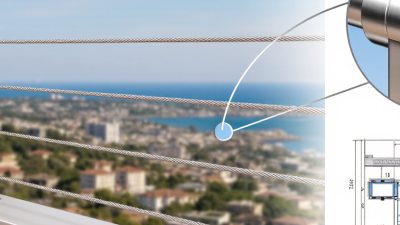
Why choose metal cable railing for global projects? The answer begins with practical performance, not appearance alone. Stainless steel cables create open sightlines across balconies, terraces, bridges, and hospitality spaces. They allow daylight to reach interior rooms. They also reduce the visual weight of thick barriers.
According to railing engineer John R. Kline, “A dependable railing should disappear visually, but never disappear from inspection.” This principle reflects the real demands of international construction. Metal cable railing can support consistent design language across different climates and building types. Properly specified stainless steel grades can resist moisture, salt exposure, and daily contact. However, material selection must follow local engineering requirements. A coastal resort may need stronger corrosion protection than an inland office.
Details matter greatly. Tensioned cables should feel firm, like a well-tuned instrument string. Posts need stable anchoring. Terminals require careful alignment. Installers must also allow for thermal movement, drainage, and maintenance access. Small errors become visible in long handrail runs.
Nothing is maintenance-free.
That point deserves honesty. Cable systems may show dirt, water marks, or surface corrosion when cleaning schedules are ignored. They can also appear less private than solid panels. These limitations should guide the design, not be hidden. Project teams should review load calculations, fall-protection rules, accessibility provisions, and inspection procedures with qualified local professionals.
When those steps are followed, metal cable railing offers a durable balance of safety, openness, and architectural consistency. It is not the universal answer. Yet for carefully planned global projects, it can perform with quiet confidence.
What Is Metal Cable Railing?
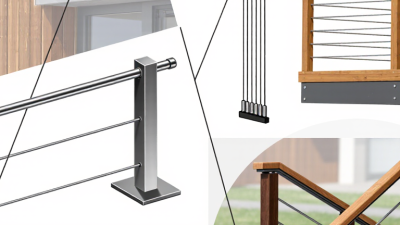
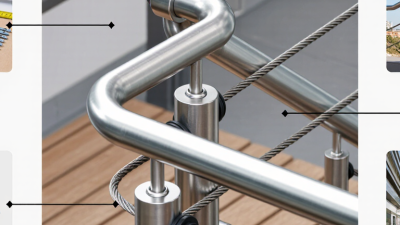
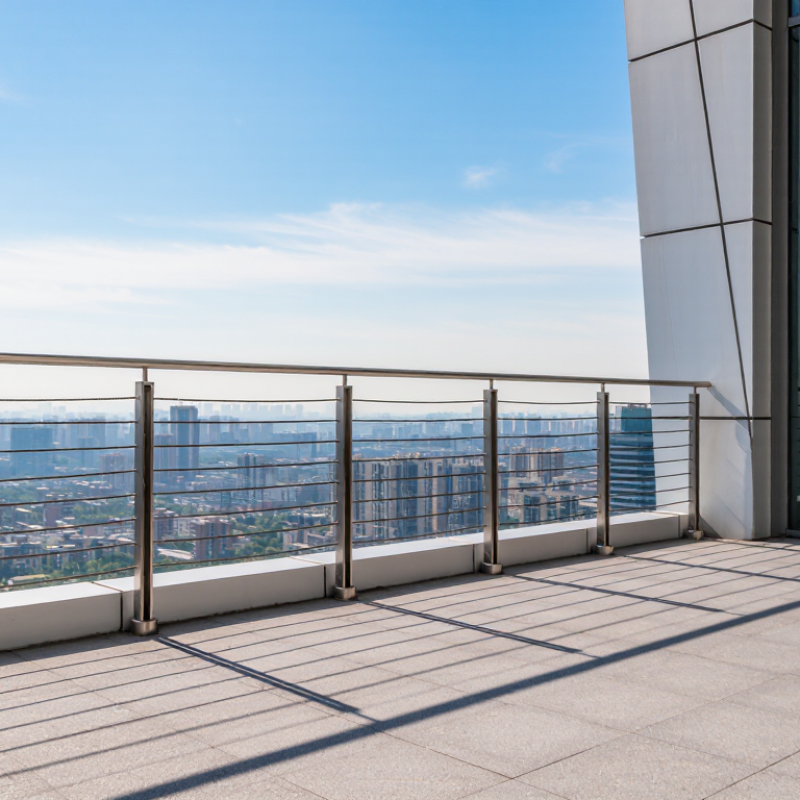
Metal cable railing is a guard system using slender metal cables as infill between structural posts. The cables are usually tensioned horizontally, while a top rail provides hand support. Posts may use stainless steel, aluminum, or coated steel, depending on the project environment.
From practical installation experience, the system creates an open view without making a balcony feel enclosed. Light passes through easily. This suits coastal terraces, public walkways, hotels, and modern residential buildings. However, cable railing is not maintenance-free. Salt air can stain exposed metal, and cable tension may change after installation. Regular inspections matter.
A complete system includes posts, cables, terminals, tensioners, fasteners, and a properly supported handrail. Each component must work together. Weak fixing points can compromise the entire barrier. For global projects, designers should check local requirements for height, spacing, loading, accessibility, and corrosion resistance. These rules differ by region. Installation teams also need accurate measurements because small alignment errors become visible across long runs.
The cables look simple. The engineering is not. On uneven floors or complex stairways, careful detailing prevents gaps and awkward terminations. In my view, the biggest mistake is choosing the railing only for appearance. Climate, maintenance access, user safety, and local construction practice deserve equal attention. A clear view is valuable, but dependable performance matters more.
How Metal Cable Railing Supports Global Project Requirements
Metal cable railing supports global projects by balancing visibility, durability, and adaptable detailing. It suits balconies, bridges, terraces, and transit areas where daylight and clear sightlines matter. UN DESA projects that 68% of the world’s population will live in urban areas by 2050. Dense cities need safer, lighter-looking edges. Slim stainless-steel cables can preserve views without creating a heavy visual barrier. That matters in mixed-use developments and waterfront public spaces.
Material selection must match local exposure. Marine sites may require 316 stainless steel, sealed fittings, and planned drainage. Inland projects still need protection from humidity, dust, and temperature changes. Designers should check cable tension, post spacing, deflection, impact loads, and local guard requirements. The International Building Code and relevant regional standards should guide final detailing. UNEP’s 2023 Global Status Report states that buildings created 37% of global energy and process-related emissions in 2022. Durable components can support longer service life, but cable railing alone cannot make a project sustainable. That claim needs restraint.
Tips:
Request corrosion data, load calculations, and installation records before approval. Confirm replacement access for tensioners and fittings. Do not assume one detail fits every country. Project reviews often expose small problems, such as trapped water, difficult cleaning, or unclear maintenance ownership. A beautiful system can still fail operationally.
Material, Code, and Installation Considerations Across Regions
Metal cable railing suits global projects because it keeps sightlines open and handles demanding public environments. Material choice, however, must follow climate, cleaning access, and local supply. In coastal areas, marine-grade stainless steel may resist salt better than standard alloys. In colder regions, freeze-thaw moisture can expose weak fittings and trapped water. Galvanized steel can be practical, but its protective coating needs careful inspection after cutting. Small details matter.
Engineers should verify the complete system against regional building codes, not rely on a generic specification. Rules may address guard height, opening limits, concentrated loads, handrail shape, and impact resistance. Some authorities require test evidence or calculations for cable deflection. Others expect documentation in the local language. A 100-millimeter opening limit is common in some regions, but it is not universal. Confirm requirements with a licensed local professional before fabrication. This step prevents expensive redesigns.
Installation quality often decides performance. Posts need accurate alignment, strong edge connections, and substrates capable of carrying design loads. Cable tension should be measured, then rechecked after use and seasonal movement. Installers should protect cut ends, isolate dissimilar metals, and avoid over-tightening terminals. On one site, a visually neat layout still developed uneven tension because the structure was slightly out of square. That mistake was preventable, yet it exposed a useful lesson: inspect the supporting structure first. Maintenance plans should specify cleaning intervals, torque checks, and replacement criteria for damaged cables. Regional weather data helps set realistic intervals.
Where Metal Cable Railing Is Commonly Used Worldwide
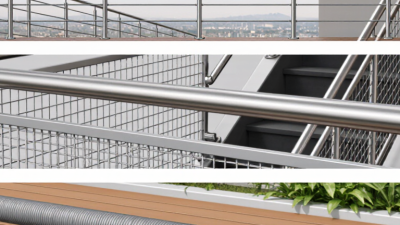
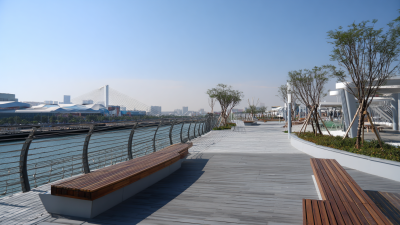
Metal cable railing is common where projects need open views, durable edges, and consistent design across regions. Typical locations include hotel balconies, apartment terraces, coastal promenades, bridges, rooftop decks, and public stairways. These applications are expanding with urban development. The United Nations projects that 68% of the global population will live in urban areas by 2050. Global Construction Perspectives and Oxford Economics also forecast construction output to reach 15.5 trillion dollars by 2030.
Stainless steel cables suit exposed settings because they create less visual obstruction than solid barriers. They also support modular installation, which can simplify replacement across large projects. Yet cable systems are not maintenance-free. Salt air, dust, and incorrect tension can cause early performance problems. Our field experience suggests that small alignment errors become obvious on long balcony runs. That detail is easy to underestimate.
Tips: Select corrosion-resistant materials for coastal or humid locations. Confirm local load, spacing, and accessibility requirements before fabrication. Inspect cable tension after installation and during routine maintenance. Use compatible posts, terminals, and fasteners to reduce galvanic corrosion. The World Steel Association’s World Steel in Figures 2024 reported 1.89 billion tonnes of crude steel production in 2023, showing the scale of global steel supply. Still, material availability does not guarantee project quality. Climate, workmanship, cleaning access, and long-term inspection should shape every specification.
Why Choose Metal Cable Railing for Global Projects?
Common worldwide applications of metal cable railing, shown as a relative prevalence index from 1 to 5. Cable railing is widely selected where unobstructed views, outdoor durability, and low visual impact are important.
The index represents relative occurrence across documented architectural and infrastructure applications, not company sales or market-share data.