How to Choose Stainless Steel Railing Systems
Choosing stainless steel railing systems is about more than appearance. A polished handrail can suit a coastal balcony, a busy stairwell, or a clean-lined office lobby. Yet the wrong grade, finish, or fixing can lead to staining, loose connections, and costly maintenance. Small details matter.
The scale of corrosion deserves attention. NACE International’s IMPACT study estimated its global economic cost at US$2.5 trillion annually, or 3.4% of global GDP. The study also found that applying existing corrosion-control practices could save 15–35% of those costs. This is not a railing-specific estimate, but it shows why material selection and maintenance planning should not be afterthoughts. Corrosion specialist David A. Jones’s work makes a related point: corrosion depends on the interaction between a material and its environment. That principle matters when choosing steel for salt spray, pool chemicals, or frequent cleaning.
A useful guide should make those choices practical. Compare steel grades, surface finishes, post spacing, glass or cable infill, and installation details. Check how water drains from base plates and how the system will be inspected over time. One detail is easy to miss: “stainless” does not mean maintenance-free. Before specifying a system, match its documented performance to the site and ask the supplier for test data, installation guidance, and care instructions.
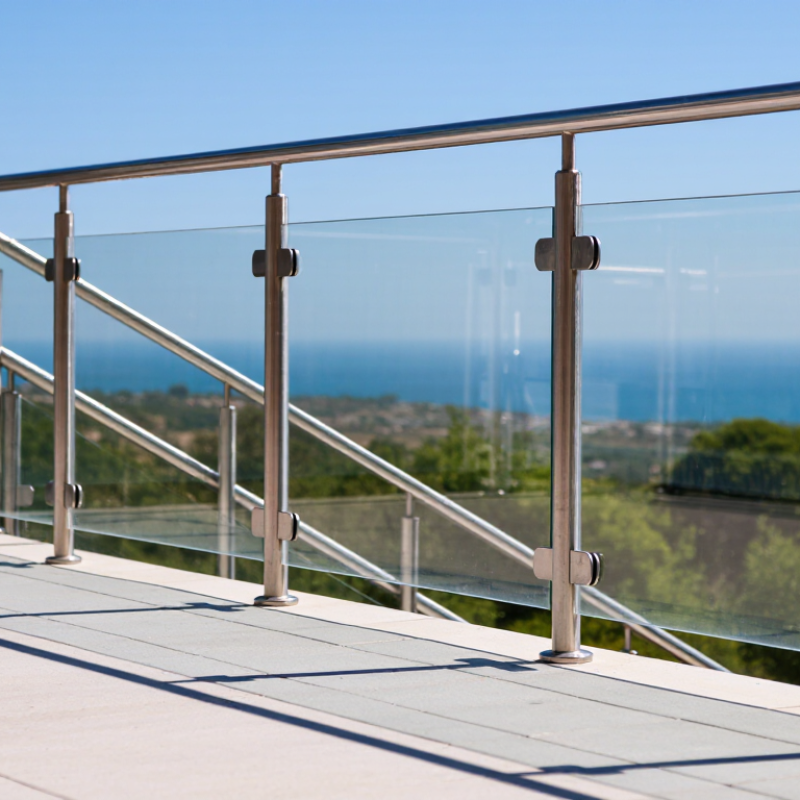
Identify the Railing’s Location, Purpose, and Design Requirements
How to Choose Stainless Steel Railing Systems
Identify the Railing’s Location, Purpose, and Design Requirements
Start with the site. A balcony exposed to coastal air needs different corrosion protection from an indoor stairwell. For salt-heavy environments, grade 316 stainless steel is often a sensible choice; grade 304 may suit many sheltered indoor settings. Still, nearby chemicals, cleaning routines, and trapped moisture can change the decision. Check the railing’s intended use, too. A stair rail needs a comfortable, continuous handhold, while a balcony guard must protect an exposed edge. Measure the actual run, turns, and mounting surfaces before choosing a system.
Then match the design to the building and its users. Cable, glass, and vertical-bar infill each affect visibility, cleaning, and the feel of the space. Confirm that posts can anchor securely into the wall, concrete, or framing; a polished finish cannot compensate for weak backing. Review local requirements for height, openings, and structural loads with a qualified professional. Small details matter. A sharp corner or poorly placed bracket can make daily use awkward. I would also inspect samples in the site’s real light, since finishes can look different indoors.
Tips: Measure twice. Note salt spray, standing water, and cleaning products. Ask the installer how joints drain and how fasteners resist corrosion. If you are unsure, get the substrate checked before ordering.
How to Choose Stainless Steel Railing Systems - Identify the Railing’s Location, Purpose, and Design Requirements
| Location | Primary Purpose | Key Design Requirements | Material and Finish Considerations | Infill and Layout Options | Checks Before Specification |
|---|---|---|---|---|---|
| Indoor staircase | Provide support and help prevent falls while maintaining a comfortable route between floors. | Choose a graspable handrail profile, secure end returns, and a height and opening arrangement that meet local requirements. | Grade 304 stainless steel is commonly considered for dry, interior environments. A brushed finish can reduce the visibility of everyday fingerprints and minor marks. | Vertical bars, glass panels, or horizontal elements may be suitable, depending on applicable safety rules and the desired level of visual openness. | Confirm stair geometry, handrail continuity, fixing points, wall clearances, and rules for openings before ordering. |
| Residential balcony | Provide a protective edge barrier and preserve views from the living space. | Account for fall-protection requirements, wind exposure, edge conditions, and the loads transferred to the balcony structure. | Grade 304 may suit sheltered, inland settings; grade 316 is often considered where outdoor exposure or airborne salts increase corrosion risk. | Glass can maintain sightlines; vertical infill can provide a more traditional appearance. Select panels and fittings as a compatible system. | Check local guard height and opening limits, slab-edge strength, drainage, glass specification, and access for cleaning. |
| Coastal terrace or exterior walkway | Protect exposed edges in an environment affected by moisture and airborne salt. | Design for wind, rain, frequent wetting, and reliable water drainage; avoid details that trap dirt or standing water. | Grade 316 is commonly selected for its improved resistance to chloride exposure compared with grade 304. Regular washing and inspection are still important. | Use an infill pattern and support spacing suited to the project loads. Glass, bars, or cable layouts require system-specific engineering. | Assess distance from the shoreline, exposure severity, dissimilar-metal contact, fasteners, cleaning access, and the supplier’s material documentation. |
| Pool area | Define circulation boundaries and provide a barrier where required by the site layout and applicable regulations. | Consider frequent splashing, pool chemicals, wet-hand contact, slip hazards nearby, and any child-safety requirements. | Grade 316 is often considered for poolside exposure, but chlorine and cleaning chemicals can still affect stainless steel. Follow maintenance guidance and avoid chemical residues. | Choose infill and gate arrangements that suit the pool safety plan, visibility needs, and local barrier rules. | Confirm pool-barrier requirements, gate hardware, chemical exposure, anchoring conditions, drainage, and an appropriate cleaning schedule. |
| Commercial entrance or public building | Guide pedestrian movement, support accessibility, and withstand frequent use. | Specify a robust handrail, durable connections, and details that are comfortable to grip and easy to maintain. | Material grade and finish should reflect indoor or outdoor exposure, cleaning frequency, and expected contact. Protect finished surfaces during installation. | Use a layout compatible with circulation routes, visibility, and any required separation between public areas. | Coordinate accessibility provisions, building and fire requirements, fixing substrates, expected traffic, and inspection responsibilities. |
| Industrial platform or service area | Provide fall protection and safe access for workers and maintenance personnel. | Design the complete assembly for project-specific loads, operating conditions, impact risks, and safe access around equipment. | Choose the stainless steel grade and finish based on moisture, process chemicals, temperature, and cleaning agents present at the site. | Toe plates, vertical infill, or other components may be needed according to the platform’s function and governing requirements. | Obtain engineered load criteria, confirm the supporting structure and anchors, review process hazards, and verify applicable workplace standards. |
Specification note: Railing dimensions, loads, infill openings, accessibility provisions, and barrier requirements vary by location and project type. Confirm current local codes and have the complete railing system—including posts, connections, anchors, and supporting structure—reviewed for the intended conditions.
Related Posts
-
What Is a Stainless Steel Railing System?
-

2026 How to Choose Stainless Steel Cable Railing Systems?
-
How to Install SS Cable Railing for Your Home?
-
Exploring Growth Opportunities for Stainless Steel Cable Railing Systems at the 138th Canton Fair 2025
-
How to Choose the Best Stainless Steel Mesh for Your Needs?
-

Top 10 Benefits of Cable Railing for Decks: Enhance Safety and Style