2026 How to Choose Stainless Steel Cable Railing Systems?
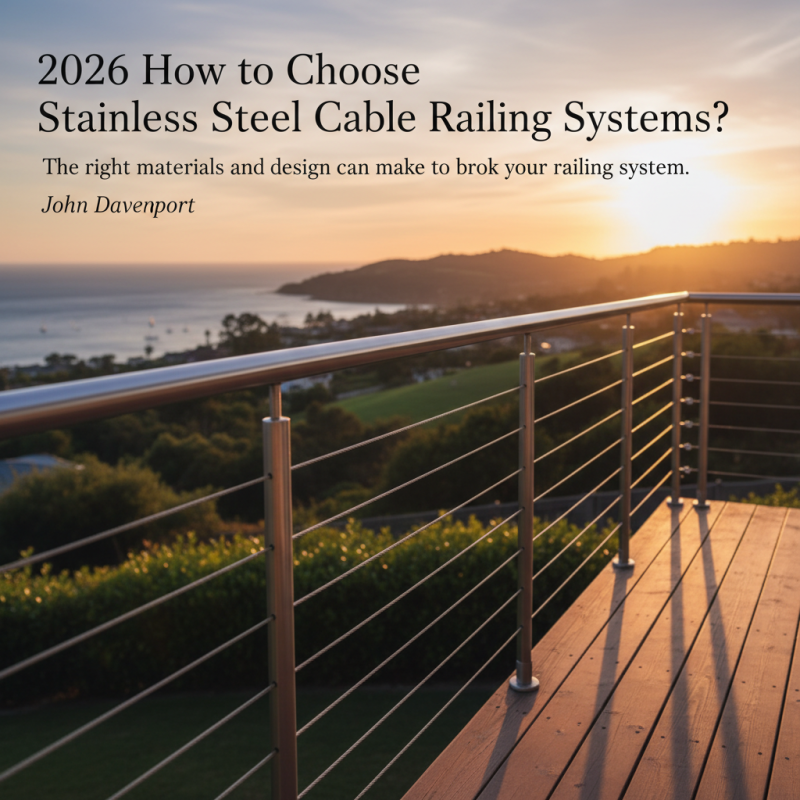
Choosing the right stainless steel cable railing systems can transform your space. Renowned railing expert John Davenport states, "The right materials and design can make or break your railing system."
Today's market offers many options, but not all are equal. Stainless steel is known for its durability and sleek aesthetic. Many factors influence your choice, from the type of stainless steel used to cable thickness and spacing. Each decision impacts safety and visual appeal.
Consider your specific needs. Will the railing face harsh weather? Is it for a residential or commercial project? Reflecting on these aspects ensures your investment pays off. With the right information, you can select a reliable system that enhances your property’s value.
Understanding the Basics of Stainless Steel Cable Railing Systems
Stainless steel cable railing systems are gaining popularity for their sleek look and durability. Understanding their components is vital for effective choice and installation. A typical system features stainless steel posts, cables, and connectors. Each part plays a role in providing safety and aesthetics. Posts must be sturdy and rust-resistant. Cables come in various diameters, typically between 1/8" to 3/16". Choose the right thickness based on your project requirements.
Installation requires careful planning. Measure accurately to ensure a secure fit. Consider the space between cables. Too wide can be unsafe, too narrow can affect visibility. It’s also crucial to understand how tensioning works. Properly tensioned cables prevent sagging and ensure safety. Yet, achieving the right tension can be tricky. Some users find it challenging to maintain the ideal tension over time. Regular checks are necessary to ensure functionality.
Maintaining stainless steel railings is essential. Clean them regularly to prevent corrosion and maintain appearance. While stainless steel is resistant to rust, it is not immune. Be attentive to signs of wear or damage. Even minor issues can lead to significant problems if ignored. A keen eye for detail will ensure the longevity of your railing system.
2026 Stainless Steel Cable Railing Systems Data Analysis
Key Factors in Selecting the Right Stainless Steel for Cable Railings
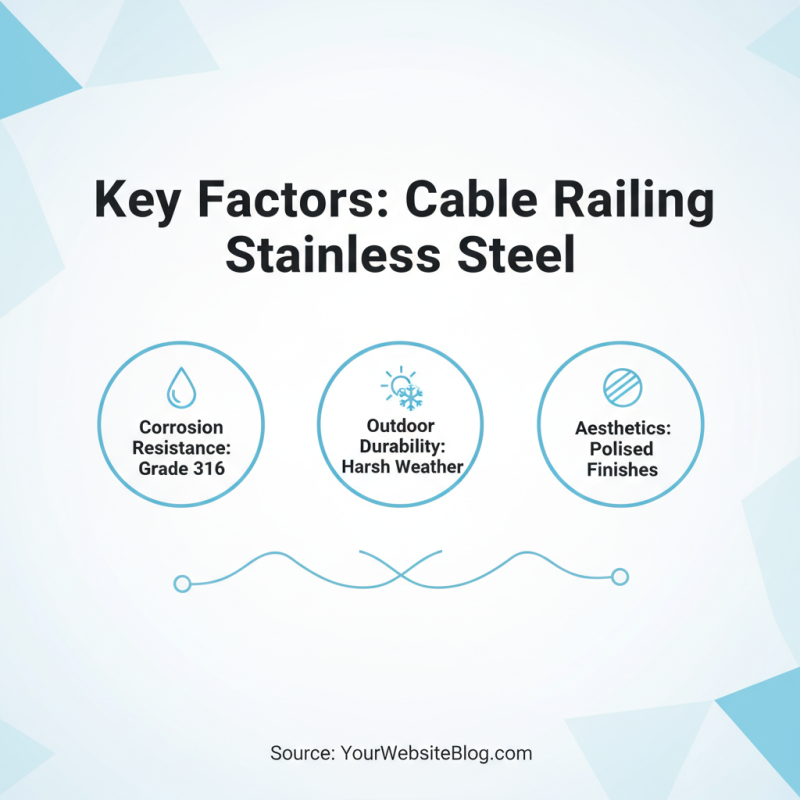
When selecting stainless steel for cable railings, it’s essential to consider several key factors. The type of stainless steel significantly impacts durability. Grade 316 is known for its corrosion resistance. This makes it ideal for outdoor use. It often withstands harsh weather conditions better than other grades. If aesthetics are a priority, polished finishes can enhance the visual appeal.
Another factor is the cable diameter. Thicker cables provide more strength and stability. However, they might obstruct views more than thinner cables. The spacing between cables also matters. Too wide a gap may pose safety concerns, especially for children. Balance performance and safety while maintaining a sleek look for your design.
Installation is another crucial aspect. It requires precision to ensure the cables are tensioned correctly. Improper installation can lead to long-term issues. Take time to research installation processes. Engaging a professional installer could save money and effort. Lastly, consider maintenance requirements. Some stainless steel may require occasional cleaning to maintain its appearance. Choosing the right stainless steel for cable railings is not just about looks; it's about long-term functionality and safety.
Comparing Different Types of Cable Railing Systems: Pros and Cons
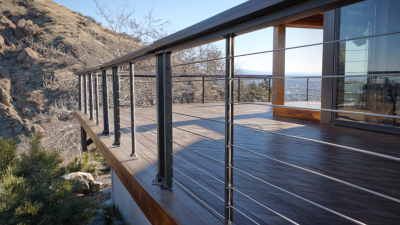
When choosing stainless steel cable railing systems, understanding the various types available is crucial. Each system has its distinct advantages and disadvantages. For instance, some cable railings use vertical posts. These offer sturdy support and an appealing look. However, they might obstruct sightlines slightly, impacting views.
On the other hand, horizontal cable railings provide a sleek, modern appearance. They enhance visibility and allow natural light to flow freely. Yet, they may require more regular maintenance to keep the cables tight and secure. A common concern is the risk of sagging over time, which can compromise safety. Homeowners should weigh these factors carefully before making a choice.
Another type involves using glass infill alongside cables. This design combines the safety of glass with the functionality of cables. It creates an illusion of openness. However, the cost can be a significant drawback. Additionally, cleaning glass can be tedious, especially in outdoor settings. Balancing aesthetics with maintenance needs is essential for an informed decision.
Installation Considerations for Stainless Steel Cable Railings
When considering stainless steel cable railing systems, installation plays a crucial role.
Proper installation ensures safety and durability. Begin by assessing the layout of your space.
Measure the area accurately. Inconsistent measurements can lead to misalignment.
Choose a height that complies with local codes for safety.
Next, gather all necessary tools and materials. High-quality components will affect the final look and resilience of your railing.
It’s essential to follow installation instructions closely. Many overlook minor details, leading to complications later.
Discussing your plan with a professional can help identify potential issues.
Take your time during the installation process. Rushing can result in mistakes.
Ensure cables are taut but not overly tight. Improper tension can lead to cable failure.
Regular maintenance checks are vital after installation.
Look for signs of wear or rust. Regular inspections can prevent costly repairs in the long run.
Maintenance Tips to Ensure Longevity of Cable Railing Systems
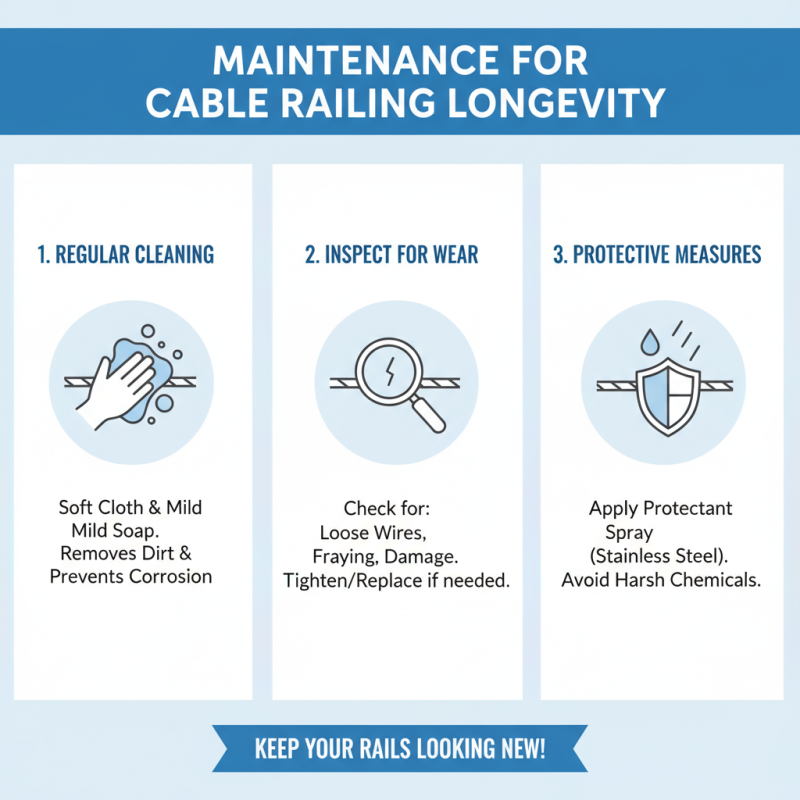
Maintaining stainless steel cable railing systems is crucial for their longevity. Regular cleaning keeps them looking pristine. Use a soft cloth and mild soap to wipe down the cables. This simple act removes dirt and grime, preventing corrosion. It’s also wise to check for signs of wear or damage. Over time, even durable materials can show issues.
Another aspect of maintenance is tension adjustment. Cables can loosen after heavy use or weather changes. Monitor the tension regularly, ensuring cables are appropriately tight. If you notice slack, tighten them carefully. This upkeep not only improves safety but also extends the railing system's life.
Consider the environment your railing is in. If you live near saltwater, you'll need to be more diligent. Salt can be corrosive, so rinse your railings often. It may seem like a hassle, but it makes a big difference. Remember, neglecting these details now can lead to costly repairs later. Investing time in maintenance will pay off in the long run.