What Is a Stainless Steel Railing System?
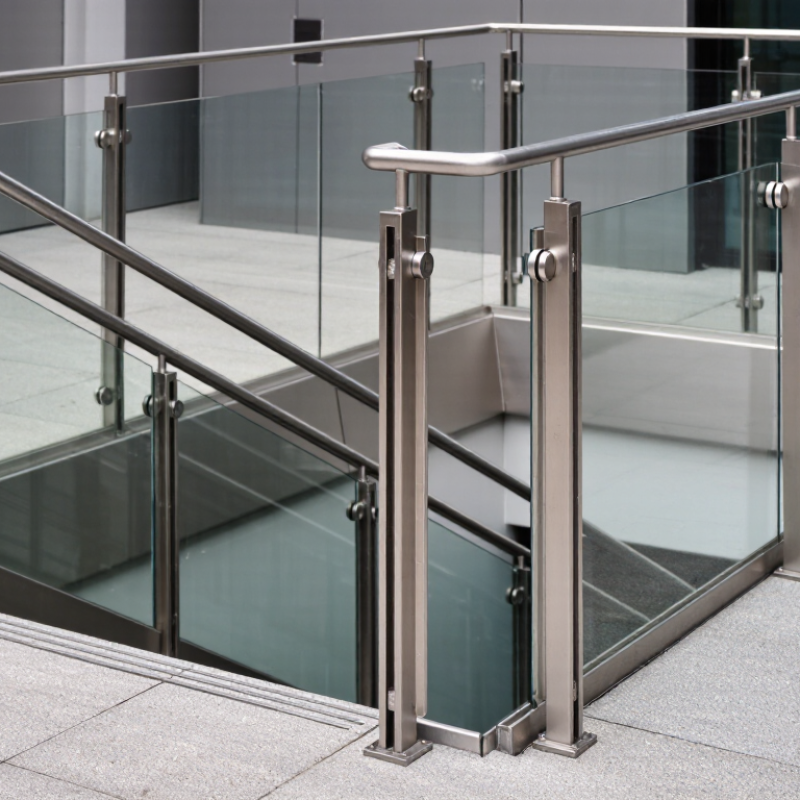
A stainless steel railing system is a protective and visual boundary installed along stairs, balconies, terraces, ramps, and walkways. It commonly combines stainless steel posts, handrails, infill panels, glass, or horizontal cables. Each component has a practical purpose. Posts transfer loads. Handrails support movement. Infill reduces fall risks and defines open edges.
Stainless steel railing systems are valued for their clean appearance and resistance to corrosion. However, performance depends on more than the metal itself. Grade selection, fabrication quality, connection design, and installation accuracy all matter. For example, marine or coastal environments may require a more corrosion-resistant grade than an indoor hallway. Welds should be smooth and properly finished. Cut edges need careful treatment. Small flaws can become visible later.
Experienced fabricators usually review site measurements before producing components. They check floor levels, fixing points, drainage, and user movement. This process helps prevent uneven gaps and difficult adjustments during installation. Yet, no railing is completely maintenance-free. Dust, fingerprints, salt, and cleaning chemicals can affect its surface. Regular inspection and suitable cleaning protect both appearance and service life.
This guide explains how stainless steel railing systems work, where they are used, and what buyers should evaluate. It also considers practical limitations, because polished images rarely show installation challenges. A reliable system should look refined, feel stable, and suit the building’s actual conditions. Safety comes first. Good design makes that responsibility easier to maintain.
Definition and Core Components of a Stainless Steel Railing System
A stainless steel railing system is a protective and load-bearing assembly beside stairs, balconies, ramps, or platforms. It is not merely a polished tube. Its performance depends on coordinated components, site conditions, and secure anchoring.
The core components include handrails, posts, balusters, infill panels, base plates, anchors, brackets, connectors, and welds. Posts transfer lateral forces into the structure. Handrails provide a continuous gripping surface. Balusters or glass panels reduce fall risks between posts. Base plates and anchors connect the railing to concrete, steel, or masonry. Finishes also matter, especially near saltwater, pools, or industrial air.
The NACE IMPACT study estimated global corrosion costs at about US$2.5 trillion annually, equal to roughly 3.4% of global GDP. That figure explains why material selection cannot be an afterthought.
Grade 304 suits many indoor applications, while grade 316 often offers better resistance in chloride-rich environments. Not always.
The World Stainless Association reported approximately 58 million tonnes of stainless steel production in 2023. This scale supports stainless steel’s established industrial role, but it does not guarantee every railing installation will perform well. The 2024 International Building Code also sets practical requirements for guard height, openings, and load resistance. Local rules still require verification.
A railing can look flawless while its anchors loosen beneath the surface. Specifications should address drainage, weld quality, crevices, and inspection access. Those details are often missed. A responsible design questions assumptions before fabrication begins.
How Stainless Steel Railing Systems Are Designed and Configured
A stainless steel railing system combines posts, handrails, brackets, and infill panels into one safety structure. Its design begins with the site, not the catalog. Designers measure stair angles, platform edges, walking paths, and fixing surfaces before selecting components.
Configuration depends on how each part transfers load. Posts may be surface-mounted, side-mounted, or embedded into concrete. Handrails should follow a comfortable, continuous line. Glass, cable, or vertical bars create different visual effects and maintenance needs. Stainless steel grade, tube diameter, wall thickness, and finish also matter. Coastal locations usually require stronger corrosion resistance and careful cleaning access.
Small details make a large difference.
Tips: Confirm dimensions after flooring and finishes are installed. Check anchor spacing against the supporting structure, not only the railing layout. Leave enough clearance for tools, drainage, and future maintenance. A brushed finish can hide minor marks, but it still needs regular care. Avoid assuming every standard fitting suits every stair angle. That shortcut often creates alignment problems. Review the design against applicable local building requirements, especially height, openings, loads, and accessibility. A practical drawing should show post locations, connection details, elevations, and tolerances. Even experienced teams can miss an uneven slab or a hidden service line, so a final site check remains worthwhile.
Common Materials, Finishes, and Railing Infill Options
What Is a Stainless Steel Railing System?
A stainless steel railing system combines posts, handrails, brackets, and infill panels. Material selection matters. Type 304 stainless steel suits most indoor areas and mild outdoor conditions. Type 316 contains molybdenum, offering better resistance to salt and chloride exposure. Coastal sites still need regular washing. No metal is maintenance-free.
The International Stainless Steel Forum reported 58.4 million tonnes of stainless steel production in 2023, a 4.5% increase from 2022. This scale supports broad material availability, but it does not guarantee equal quality. Verify the alloy certificate and welded-fabrication quality. Common finishes include mill, brushed satin, and mirror polish. Brushed satin hides fingerprints better. Mirror polish reflects light strongly, sometimes too strongly. I would inspect samples in the actual daylight.
Infill changes both safety and appearance. Vertical stainless bars create a clean, durable barrier. Stainless cable produces lighter visual lines, but it needs careful tension checks. Laminated glass offers openness and wind protection, while perforated panels provide privacy and airflow. The 2024 International Building Code commonly applies a 4-inch sphere test to guard openings. Local requirements may differ. Use approved drawings. A small gap can become a serious concern. Periodic inspections should check loose fittings, corrosion staining, sharp edges, and water trapped around connections.
Installation Methods and Structural Safety Considerations
What Is a Stainless Steel Railing System?
A stainless steel railing system combines posts, handrails, infill panels, and secure connections. Its safety depends more on installation than appearance. On site, installers commonly use base-mounted posts, side-mounted posts, or embedded supports. Each method transfers loads differently.
Base-mounted posts sit on concrete or steel surfaces. They require correctly sized anchors and a sound substrate. Side-mounted posts can save walkway space, but edge strength needs careful verification. Embedded posts may look clean, yet repairs become difficult after concrete placement. Welded joints offer a rigid connection when fabrication is controlled. Mechanical fittings allow adjustment, but loose fasteners can create movement over time.
A safe installation begins with checking the supporting structure. Inspect concrete cracks, steel thickness, edge distances, and drainage paths. Water trapped around connections can encourage staining and weaken surrounding materials. The final height, opening size, and load resistance should follow applicable local building requirements. A qualified structural professional should review unusual spans, heavy public use, or uncertain substrates.
Small details matter. Handrails should feel firm, without vibration or sharp edges. A neat surface can still hide a weak anchor. I have seen projects focus on polished tubing while overlooking water pooling at the base. That mistake is easy to repeat. Test every connection after curing or tightening, and record the inspection. Do not rely on appearance alone.
Maintenance, Applications, and Service Life of Stainless Steel Railings
What Is a Stainless Steel Railing System?
Maintenance, Applications, and Service Life of Stainless Steel Railings
A stainless steel railing system includes posts, handrails, infill panels, brackets, and fixing hardware. Its strength suits balconies, stairways, terraces, public buildings, and coastal walkways. The correct grade matters. Grade 304 performs well indoors, while grade 316 offers better resistance to salt and chlorides.
Maintenance remains simple, but it is not optional. Wipe exposed surfaces with clean water and a soft cloth every few months. In coastal areas, clean them more often. Salt deposits can create brown staining, especially around welds, joints, and hidden fasteners. A mild, non-abrasive cleaner usually removes surface dirt. Avoid steel wool, harsh acids, and cleaners containing chlorides. They can damage the passive protective layer.
Inspect the railing twice each year. Check loose connections, cracked welds, sharp edges, movement, and blocked drainage points. Small defects can become expensive. This is easy to overlook. Service life often reaches 20 to 30 years in suitable conditions, but design, installation quality, cleaning frequency, and local weather change that estimate.
Heavy traffic and constant moisture require closer inspections. A railing may look sound while corrosion develops behind a cover plate. That detail deserves attention. Good installation also prevents galvanic corrosion by separating stainless steel from incompatible metals. Regular records, photographs, and measured repairs make future decisions more reliable.
Related Posts
-
Top 10 Benefits of SS Cable Railing for Modern Home Designs
-
10 Reasons Why Steel Cable Railing is the Best Choice for Modern Decks: Safety, Durability & Style Insights
-
Exploring Cable Fence Innovations at the 138th China Import and Export Fair 2025
-
How to Choose the Best Wire Railing for Your Outdoor Spaces: 2023 Expert Guide
-

2026 Top Stainless Steel Cable Railing Trends for Buyers?
-

How to Choose the Right Cable Railing Hardware for Your Project?