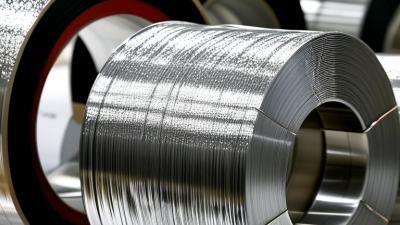
7 Stainless Steel Wire Buying Tips for Global Buyers
Buying stainless steel wire for international projects can seem straightforward until a shipment arrives with the wrong diameter, finish, or coil size. A small mismatch may slow production or require extra handling. Details matter.
This guide shares seven practical buying tips for global buyers. It explains how to match wire grade and mechanical properties to the intended use, from formed components to demanding outdoor applications. It also covers diameter tolerances, surface condition, coil or spool requirements, and packaging. For example, a buyer should confirm whether the wire must unwind smoothly from a specific spool, rather than relying on a general product description.
Clear specifications make comparison easier. Ask suppliers for relevant technical data, inspection records, and details about testing methods. Check that documents match the quoted product and agreed requirements. Standards and terminology can differ between markets, so clarify them before placing an order. No single grade or finish suits every application.
The guide also considers supplier communication, sample approval, lead times, and shipping protection. These points are easy to overlook. Yet moisture, rough handling, or unclear labeling can complicate receiving and storage. A sample can help, but it cannot replace a complete written specification. Buyers should review each requirement with their engineering and quality teams, especially when performance conditions are critical. Some purchasing decisions still involve trade-offs. Cost matters, but so do consistency, traceability, and reliable delivery. A careful process reduces avoidable surprises.

Define the Application and Required Wire Specifications
Start with the job the wire must do. Will it form a spring, reinforce a mesh, or pass through a drawing die? Each use changes the priorities. A spring may need controlled tensile strength and fatigue performance. Mesh may depend more on consistent diameter and weldability. Specify the stainless steel grade, wire diameter and tolerance, temper, surface finish, and delivery form. Add the operating temperature and exposure conditions, such as salt spray or cleaning chemicals. Stainless steel is not one interchangeable material.
The World Stainless Association reported 58.4 million tonnes of global stainless steel crude production in 2023. That scale signals a broad material supply, not that every grade suits every application.
Tip: Send a drawing or sample when possible. State the minimum and maximum diameter, coil weight, and any inspection requirements. Ask suppliers to identify the relevant test method and provide a material test certificate. Details matter. A polished finish may look right but still fail a forming process. A grade may resist corrosion yet prove too stiff for tight bends. Check the finished part’s real working conditions before locking the specification. One overlooked detail can mean rework. Even a thorough specification may need revision after a production trial. Small differences count.
Select the Stainless Steel Grade and Key Mechanical Properties
Stainless steel grade affects corrosion resistance, but it does not tell you the wire’s full performance. Grade 304 suits many indoor and general-purpose applications. Grade 316 offers better resistance in chloride-rich environments, such as coastal air. Consider the actual exposure, cleaning chemicals, and operating temperature before selecting either grade. Small details matter.
Tip: Specify mechanical properties alongside grade. Tensile strength describes the stress a wire can withstand before breaking. Yield strength indicates when permanent deformation begins, while elongation helps assess ductility during bending or forming. Hardness may matter for wear, but it should not replace tensile data. Do not assume.
Wire diameter, drawing process, and heat treatment can change mechanical performance significantly, even within the same grade. For example, a heavily drawn wire may have higher tensile strength but less elongation. Check that the supplier’s test report matches the ordered diameter and condition. A common purchasing gap is requesting “304 wire” without stating the required strength or temper. That leaves room for mismatched expectations. Before ordering, compare the reported values with your forming process, load, and finished-part requirements, and clarify the test method if results are difficult to compare.
Verify Manufacturing Quality, Testing, and Certifications
For stainless steel wire, verify the evidence behind every quality claim. Ask for a lot-specific inspection certificate, such as an EN 10204 3.1 document, and match its heat number to the wire coil and packing label. Check chemical composition, tensile strength, diameter tolerance, and surface condition against your purchase specification. A polished certificate is not enough. Confirm the issuing mill, test date, and material grade; request clarification when results lack units or traceability. ISO’s 2022 Survey reported more than 1.26 million valid ISO 9001 certificates worldwide. This shows how widely quality systems are used, but certification alone does not prove a particular wire batch meets your requirements.
Tips: Request recent test records from the actual production lot. Check whether the laboratory is accredited for the tests you need, and confirm certificate scope and expiry dates. Ask for a sample coil if surface finish or straightness matters. Keep the approved specification beside the inspection report. Small mismatches matter.
For critical applications, arrange independent testing before shipment, especially when orders combine multiple diameters or production lots. Useful checks include chemical analysis, tensile testing, and dimensional measurement with calibrated gauges. The World Steel Association’s World Steel in Figures 2024 reports global crude steel production of about 1.89 billion tonnes in 2023; scale does not guarantee consistent wire quality. A careful buyer should also review how nonconforming coils are identified and replaced. I would not assume a familiar certificate covers every product or process. That detail is easy to miss.
Evaluate Global Suppliers, Pricing, and Delivery Capabilities
A dependable stainless steel wire supplier should be assessed against a written specification, not a broad product description. Confirm the grade, wire diameter, tolerance, surface finish, tensile range, and coil weight. Ask for a sample and a recent test certificate linked to the production lot. Check that labels match the paperwork. Small details matter. A polished sample may not represent every shipment, so verify how the supplier controls production batches and handles nonconforming material.
Compare quotations line by line. The lowest price may exclude wooden reels, moisture-resistant wrapping, inspection, or inland transport. Request separate costs for material, packaging, freight, and any setup charges. Confirm the quote’s currency, validity period, payment schedule, and delivery term, including who arranges insurance and export documentation. If a raw-material surcharge can change the total, ask how it is calculated. Even a careful spreadsheet can miss a fee hidden in vague wording.
Delivery capability needs evidence, too. Ask for recent lead-time ranges, monthly output, and the steps used to protect coils from rust, dents, and tangling. Clarify when production starts and when the shipping clock begins; those dates are not always the same. Delays happen. Build a realistic buffer around vessel schedules and destination handling, then agree on how shipment updates will be shared. A supplier’s estimate is useful, but it is not a guarantee, and I would not plan a production line around an unconfirmed sailing date.
| Buying Tip | What to Evaluate | Useful Evidence or Comparison | Pricing and Delivery Check |
|---|---|---|---|
| 1. Match the grade to the application | Check corrosion exposure, strength, formability, and whether the wire will be drawn, bent, welded, or used in a spring. | Grade 304 is a widely used general-purpose stainless steel. Grade 316 contains molybdenum and is often selected for improved resistance in chloride-bearing environments. Grade 430 is ferritic and generally not hardenable by heat treatment. | Compare quotations for the same grade and condition. Ask whether the stated grade is certified and whether the price includes any alloy-related surcharge. |
| 2. Specify diameter and tolerance | State nominal diameter, permissible diameter variation, ovality requirements, and the measurement method. | Request the applicable product specification and a dimensional inspection report. Tolerances depend on diameter, product condition, and the agreed standard; do not assume one tolerance applies to every wire size. | Confirm whether tighter tolerances require additional processing or inspection, and ensure the quoted price covers the agreed tolerance. |
| 3. Define the wire condition and finish | Specify whether the wire is annealed, cold-drawn, spring-tempered, or supplied in another agreed condition. Describe the required surface finish. | Ask for the condition and finish to be identified on the quotation and inspection documents. If appearance or surface defects matter, agree on inspection criteria before production. | Check whether extra finishing, cleaning, polishing, or protective packaging affects cost and production time. |
| 4. Verify standards and traceability | Identify the required standard, grade designation, test documents, and batch-level traceability before placing an order. | ASTM A580/A580M is a specification for stainless steel wire. Request a material test certificate that identifies the product, grade, heat or lot, and test results relevant to the order. | Confirm which documents are included in the quoted price and whether inspection, testing, or third-party verification adds cost or time. |
| 5. Compare quotations on the same basis | Compare identical grade, diameter, condition, finish, tolerances, coil or spool format, order quantity, and delivery terms. | Request a clear breakdown of unit price, tooling or setup charges, packaging, inspection, and any applicable surcharges. Stainless steel prices can vary with alloy inputs, order size, and processing requirements. | Compare the same currency, quotation validity period, Incoterm, destination, and shipment scope. A lower unit price may not represent a lower landed cost. |
| 6. Check production capacity and lead time | Ask whether the required size and grade are in stock or made to order, and confirm available production capacity for the requested quantity. | Request a written schedule covering order confirmation, production, inspection, packing, and dispatch. Ask the supplier to identify any material or process dependencies that could affect the schedule. | Confirm the quoted lead time, shipment method, dispatch location, and how delays or partial shipments will be communicated. Lead times depend on availability, order specifications, and transport conditions. |
| 7. Review packing and export readiness | Specify coil or spool dimensions, labeling, moisture protection, handling requirements, and packaging suitable for the transport route. | Request sample packing details and labels showing agreed product identification, grade, size, batch or lot, and net and gross weights. | Confirm export documents, cargo handover responsibility, insurance arrangements where applicable, and destination-specific import requirements before shipment. |
Confirm Samples, Export Documents, and Purchase Terms
A polished sample is useful, but it is not proof that every coil will match. Request a sample from the proposed production route and check wire diameter, surface finish, tensile strength, and spool winding. Record the measuring method and acceptable tolerances in writing. Keep a sealed reference sample. It helps later.
The International Stainless Steel Forum’s Stainless Steel in Figures 2024 reports 58.4 million tonnes of global stainless crude steel production in 2023, up 4.6% from 2022. That figure describes crude steel, not wire, but it shows the scale of a diverse supply chain. Ask for a material test certificate tied to the actual heat or batch, plus an invoice, packing list, and certificate of origin where required. Compare grade, quantity, and marks across documents before dispatch. Small mismatches can delay clearance.
Purchase terms should name the product standard, diameter tolerance, coil weight, packaging, delivery point, Incoterms rule and version, payment schedule, and claims period. State who pays for inspection and what evidence supports a quality claim. A quotation saying “standard packing” is vague. Confirm the wooden or steel reel type, moisture protection, and label details with photos. Requirements differ by destination, so verify document needs with your customs broker. Even a careful checklist can miss something; review the final documents against the order, line by line.
Related Posts
-
Why Choose Stainless Steel Wire for Global Sourcing?
-
China Top 10 Stainless Mesh Manufacturers for Global Buyers
-

Top Uses and Benefits of Stainless Cable in Various Industries
-
2026 How to Choose the Best Stainless Cable for Your Projects?
-

2026 Top Stainless Steel Cable Railing Trends for Buyers?
-
Essential Tips for Choosing the Right Stainless Cable Solutions?