2026 Top Stainless Steel Cable Railing Trends for Buyers?
As we look ahead to 2026, the stainless steel cable railing market is poised for significant growth. Industry reports forecast a compound annual growth rate (CAGR) of 7.5% in this sector. This trend indicates an increasing preference for durable and low-maintenance railing solutions among homeowners and builders alike. The aesthetic appeal of stainless steel cable railing also contributes to its popularity, blending seamlessly with both modern and traditional designs.
Despite the advantages, buyers must navigate various options. Key considerations include cable thickness, tensioning systems, and compatibility with specific architectural styles. However, not all products meet the industry’s durability standards. Some may corrode or fail to provide adequate support over time. Research suggests that 15% of users report dissatisfaction with generic products.
It's essential for buyers to seek high-quality materials and reliable manufacturers. This ensures safety and longevity in their installations. As we explore the top trends for 2026, understanding these dynamics will empower buyers to make informed decisions in selecting the right stainless steel cable railing for their projects.

Emerging Designs in Stainless Steel Cable Railings for 2026
As we look toward 2026, stainless steel cable railings are experiencing a shift in design trends that promise to enhance both functionality and aesthetics. Emerging styles focus on minimalism while maximizing visibility. According to a recent industry report by Grand View Research, the global demand for stainless steel railings is projected to reach $3.5 billion by 2026, indicating a growing interest in sleek, decorative options.
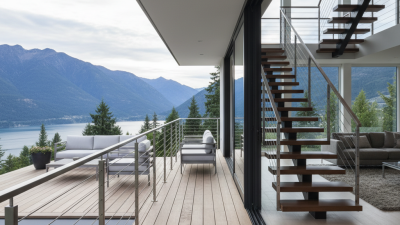
One notable trend is the integration of mixed materials. Combining stainless steel with wood or glass adds texture and warmth. This approach caters to varying design preferences. However, it raises questions about maintenance and durability, as each material responds differently to environmental conditions. The precision of cable spacing is another critical factor. Experts suggest maintaining a maximum 4-inch spacing for safety while balancing sightlines. This could lead to challenges in installation, necessitating skilled craftsmanship to achieve the desired look.
Sustainability also plays a role in these emerging trends. Eco-conscious designs are becoming vital as buyers seek environmentally friendly options. Reports indicate that stainless steel recycling rates exceed 80%, which is significant for long-term sustainability. However, it’s essential to reflect on how far the industry has come and where it can improve, especially regarding the sourcing of materials. Buyers are encouraged to consider not just the aesthetic appeal but also the ethical implications of their choices.
Innovative Materials and Techniques for Enhanced Durability
In 2026, the trends in stainless steel cable railing are evolving significantly.
Innovative materials are playing a key role. For instance, advancements in stainless steel alloys are enhancing resistance to corrosion.
This is particularly beneficial in coastal areas. The new alloys are lighter yet stronger, providing both durability and aesthetic appeal.
Techniques have also changed. Manufacturers are using advanced welding methods to create seamless connections.
These methods not only improve strength but also enhance the overall look. This ensures a clean and modern finish.
However, some installations still face challenges with proper alignment and tensioning, which can lead to potential weaknesses.
Overcoming these obstacles requires a skilled installer.
Lastly, the integration of smart technology is on the rise.
Sensors can monitor cable tension and alert homeowners of potential issues. Yet, the reliance on tech can sometimes complicate maintenance.
Not everything will work perfectly, pointing to the need for regular check-ups.
Overall, while innovations bring many benefits, they also require thoughtful implementation.
Sustainability Trends in Stainless Steel Cable Railing Production
The trend toward sustainable practices in stainless steel cable railing production is gaining momentum. Manufacturers are increasingly focused on eco-friendly materials. Recycled steel is often transforming the industry. This shift benefits the environment and offers high durability. By using sustainable resources, companies reduce their carbon footprint significantly.
Designers are also integrating modular designs that utilize less material. These approaches minimize waste while maintaining strength. Additionally, many manufacturers are exploring innovative finishes that avoid harmful chemicals. This not only enhances the visual appeal but also aligns with eco-conscious values. It’s a noteworthy step, yet not all companies are fully committed.
Challenges remain. Some businesses still rely on traditional methods that are less sustainable. Buyers must research and carefully choose brands prioritizing sustainability. Transparency is crucial in this process. Inquire about sourcing and manufacturing techniques. Observing this trend can lead to a positive impact on both aesthetics and the planet. The future of stainless steel cable railings looks promising but requires ongoing reflection and improvement.
Cost Considerations and Budget-Friendly Options for Buyers
When considering stainless steel cable railings, cost is a significant aspect for buyers. Research indicates that while the initial installation may appear expensive, it proves to be budget-friendly over time. According to industry reports, stainless steel cable railing systems can reduce maintenance costs by up to 40% compared to traditional materials. This cost-effectiveness makes them an attractive option for both new constructions and renovations.
Additionally, opting for stainless steel cable railings can enhance property value. A recent study highlighted that homes with upgraded outdoor features, including modern railings, can increase their market value by as much as 10%. For buyers on a budget, exploring DIY installation options may yield substantial savings. However, it is crucial to ensure proper safety and compliance with local codes.
Tips:
- Research different types of railing systems to find one that fits your aesthetic and budget.
- Consider consulting with professionals to understand the true cost of installation and maintenance.
- Always compare prices from multiple suppliers to get the best deals.
Safety Standards and Regulations Impacting Cable Railing Choices
When exploring the latest trends in stainless steel cable railing, it’s crucial to consider safety standards and regulations that shape your choices. These regulations can vary greatly by region and significantly influence material selection, design, and installation practices. For instance, local building codes may dictate specific tensioning methods or set maximum spacing between cables. Compliance ensures not just safety but also durability.
Moreover, understanding the nuances of these codes can be challenging. Contractors and homeowners alike may overlook critical details. Failing to meet safety standards could lead to hazardous consequences. It is essential to consult with professionals who stay updated on current regulations. They can guide you in making informed decisions.
The importance of quality in material selection cannot be overstated. Stainless steel should resist corrosion and withstand weather changes. Many manufacturers claim high durability, yet not all products meet strict standards. This inconsistency necessitates careful consideration. Investing time in research helps prevent future issues. Understanding these dynamics protects both your investment and your family’s safety.
2026 Top Stainless Steel Cable Railing Trends for Buyers
| Trend |
Description |
Safety Standards |
Regulations Impact |
| Wire Rope vs. Flat Cable |
Increasing preference for flat cable for aesthetics and strength. |
ASTM A603 - Standard Specification for Stainless Steel Wire and Wire Rope. |
Influences choice of material based on strength and durability standards. |
| Innovative Fittings |
Use of hidden and minimalistic fittings for cleaner lines. |
International Building Code (IBC) for structural safety. |
Affects design choices to adhere to safety regulations. |
| Sustainable Practices |
Focus on recyclable materials and eco-friendly finishes. |
LEED certification guidelines. |
Encourages the use of materials that comply with green building standards. |
| Custom Designs |
Growing demand for personalized railing solutions. |
OSHA Regulations on safety and accessibility. |
Must meet safety requirements while being aesthetically pleasing. |
| Color and Finish Options |
Increased variety in colors and textured finishes. |
ASTM B177 - Standard Specification for Electrodeposited Coatings. |
Compliance with codes for corrosion resistance and safety. |