Essential Tips for Choosing the Right Stainless Cable Solutions?
Choosing the right stainless cable solutions is crucial for various applications. Stainless cable offers strength and durability, making it ideal for both commercial and residential uses. However, not all stainless cables are created equal. Various factors influence the quality and performance of these cables.
Understanding the specific requirements for your application is essential. Different projects may demand different specifications, such as load capacity or resistance to corrosion. Also, the environment in which the stainless cable will be used can significantly impact its performance. Choosing the wrong type may lead to unsafe situations or premature failure.
Therefore, taking time to research and evaluate your options is vital. Consider the manufacturer’s reputation and expertise in the industry. Investing in a quality stainless cable can save time and money in the long run. Recognizing the importance of these factors will guide you toward a more informed decision when selecting stainless cable solutions.
Key Factors to Consider When Selecting Stainless Cable Solutions
When selecting stainless cable solutions, it's crucial to consider several key factors. Firstly, the type of stainless steel used greatly impacts performance. Marine-grade stainless steel, like 316, offers superior corrosion resistance. This is essential for applications exposed to harsh environments. According to industry reports, nearly 70% of failures in stainless cables stem from corrosion-related issues.
Cable diameter and strength are additional considerations. A thicker cable can provide improved tensile strength but may reduce flexibility. Timing is also important; the right balance can prevent costly downtimes in operations. Research shows that 40% of projects experience delays due to improper cable selection.
In terms of installation, ensure you have the right tools and techniques. Proper installation minimizes wear and tear. It's essential to conduct routine inspections post-installation. Neglecting this can lead to unforeseen issues later. Always consult technical specifications for detailed guidance on load ratings and environmental suitability. Consider reaching out to industry experts for insights on common pitfalls.
Types of Stainless Steel Cables and Their Applications
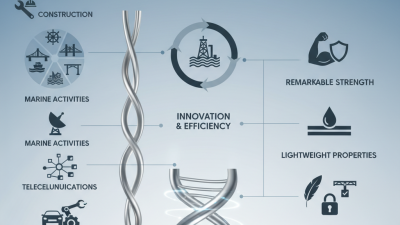
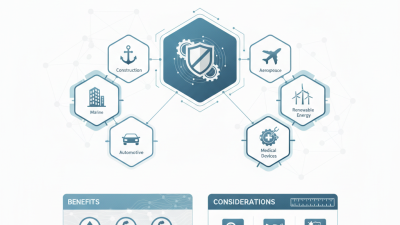
Stainless steel cables come in various types, each suited for specific applications. The most common types include 304 and 316 stainless steel. Type 304 is versatile and often used in general applications. However, it may not withstand extreme environments. Type 316 offers better corrosion resistance, making it ideal for marine and industrial settings. Knowing the right type ensures durability in your projects.
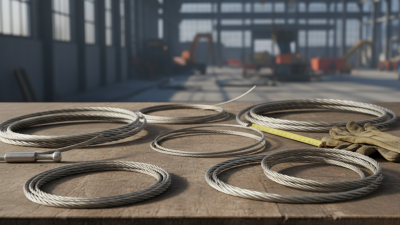
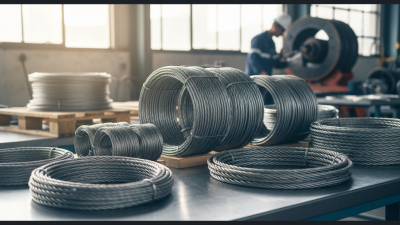
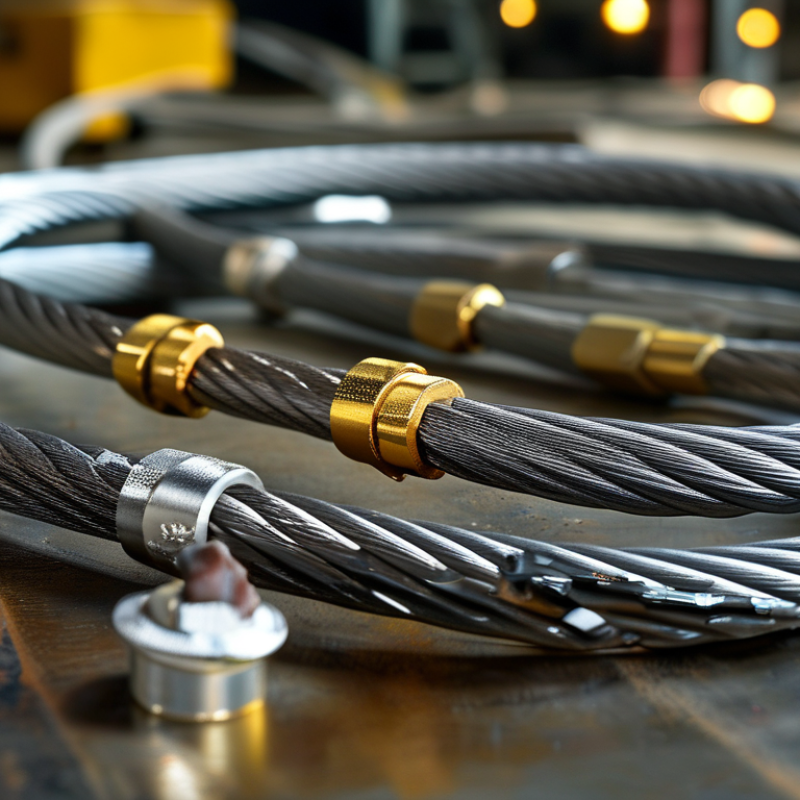
Another crucial factor is cable construction. Stainless cables can be stranded or solid. Stranded cables offer flexibility, making them perfect for applications like rigging. Solid cables provide more strength but less flexibility. Choosing the right construction depends on the specific demands of your project. This decision affects performance, particularly in high-load situations.
In addition, consider the cable diameter. A thicker cable might provide greater load capacity but can be heavier and more challenging to install. Weight and handling can impact overall efficiency. Evaluate your project needs carefully. Small details could lead to significant performance differences. Engaging with industry experts can provide additional insights, but it's vital to remain critical of the guidance received.
Types of Stainless Steel Cables and Their Applications
Understanding Corrosion Resistance in Stainless Steel Cables
When selecting stainless steel cables, understanding corrosion resistance is crucial. Corrosion affects the longevity and performance of cables used in various industries. According to the International Stainless Steel Forum, around 70% of stainless steel used in construction applications is exposed to corrosive environments. This statistic emphasizes the need for selecting the right grade of stainless steel.
Different grades of stainless steel have varying resistance to corrosion. For instance, Type 304 is widely used but may not withstand harsh environments. In contrast, Type 316 offers better protection due to its molybdenum content. This addition enhances resistance to chloride-induced corrosion, which is vital for marine applications. Some studies suggest that Type 316 can last over 50 years in aggressive environments, significantly outperforming other grades.
However, not all situations are straightforward. The presence of other elements, like nickel and chromium, can affect corrosion behavior. An overlooked factor is the influence of surface finishes, which can either enhance or diminish resistance. Understanding these nuances is essential to make informed decisions. Inadequate knowledge may lead to premature cable failures, causing costly repairs and safety hazards. As the industry evolves, more comprehensive research is necessary to adapt to new challenges in corrosion resistance.
Evaluating Load Capacity and Strength Requirements
When selecting stainless cable solutions, understanding load capacity and strength is crucial. Load capacity refers to the maximum weight a cable can safely support. This factor varies based on the cable's diameter, material, and construction. For instance, a 1/8 inch stainless steel cable might hold 1,200 pounds, but this will change with cable length and application. Knowing these details can prevent accidents in critical situations.
Evaluating strength requirements also involves considering the environment. Factors like weather conditions, corrosion potential, and UV exposure can all affect performance. Stainless cables are often chosen for their durability, yet they are not infallible. For example, a cable that looks pristine may have hidden weaknesses due to corrosion underneath the surface. Routine inspection is often overlooked, leading to potential failures.
It’s also important to analyze the intended use. Are you using the cable for lifting, rigging, or safety lines? Each application has its own requirements. It’s advisable to err on the side of caution and consult with an expert when in doubt. Inadequate attention to load capacity and strength can result in costly mistakes. Seeking guidance not only protects your investment but ensures safety and reliability.
Essential Tips for Choosing the Right Stainless Cable Solutions - Evaluating Load Capacity and Strength Requirements
| Cable Type |
Load Capacity (lbs) |
Diameter (mm) |
Material Grade |
Suitable Applications |
| 7x19 Stainless Steel Cable |
1,200 |
5.0 |
AISI 316 |
Marine, Rigging |
| 1x19 Stainless Steel Cable |
1,500 |
4.0 |
AISI 304 |
Structural, Lifting |
| 7x7 Stainless Steel Cable |
800 |
6.0 |
AISI 316 |
Suspension, Balustrades |
| Single Strand Cable |
2,000 |
8.0 |
AISI 304 |
Construction, Industrial |
| Cable with Protective Coating |
1,000 |
5.0 |
AISI 316L |
Outdoor, Weather-Exposed |
Maintenance and Longevity of Stainless Cable Solutions
Choosing the right stainless cable solutions is crucial for durability and functionality. To ensure maintenance and longevity, regular inspections are essential. According to a report from the International Stainless Steel Forum, proper maintenance can extend the life of stainless cables significantly, sometimes exceeding 25 years under optimal conditions. However, environmental factors, such as exposure to salt or chlorine, can accelerate wear and tear.
One approach to enhance longevity is to clean the cables frequently. Use a gentle cleaner to remove debris and prevent corrosion. This simple step can drastically improve the cable's lifespan. Look for signs of wear, such as fraying or rust spots, which indicate they may need replacement soon. It’s vital to consider environmental exposure as a key factor in your maintenance routine.
Regular lubrication of moving parts is another important aspect. Use appropriate oils or greases that do not react with stainless steel. This can help minimize friction and prevent premature failure. Taking these actions will help ensure your stainless cable solutions perform reliably over time. Pay attention to how different environmental factors impact your cables, and adjust your maintenance practices as needed.