2026 Top SS Cable Railing Types for Global Buyers?
Choosing the right ss cable railing system in 2026 requires more than comparing polished product photos. Global buyers must evaluate material grade, cable layout, post design, installation method, and local safety requirements. This guide introduces the leading railing types for residential, commercial, coastal, and hospitality projects. It focuses on practical decisions that affect service life, maintenance, appearance, and total project cost.
Common options include horizontal cable systems, vertical cable systems, frameless glass combinations, and stainless steel post-and-cable assemblies. Grade 316 or 316L stainless steel often suits coastal environments better than standard 304 steel. However, material grade alone cannot prevent corrosion. Proper passivation, clean fabrication, compatible fasteners, and regular maintenance also matter. Small details matter here.
Experienced installers inspect cable deflection, terminal strength, post spacing, and tensioning access before approving a design. Buyers should request test reports, mill certificates, installation drawings, and clear warranty terms from qualified suppliers. Regional building codes may control opening sizes, guard height, handrail dimensions, and loading performance. A product that performs well in one market may require changes elsewhere.
No single system wins every project. Frameless designs create a lighter view, yet they can demand tighter installation tolerances. Vertical cables may support different safety preferences, but they can increase fabrication complexity. Lower prices can appear attractive, though weak documentation may create expensive delays. This overview compares the main ss cable railing types with a practical, evidence-based approach, while recognizing that site conditions can challenge even a carefully selected system.
What Defines Stainless Steel Cable Railing Systems in 2026
2026 Top SS Cable Railing Types for Global Buyers
What Defines Stainless Steel Cable Railing Systems in 2026
Stainless steel cable railing systems are defined by material, tension control, and installation accuracy. World Stainless reported about 58.4 million tonnes of crude stainless steel production in 2023. This scale supports wider material availability, but it does not guarantee consistent quality. Buyers still need verified mill certificates and clear alloy identification.
For coastal projects, 316 or 316L stainless steel usually offers stronger chloride resistance than 304. Inland balconies may use 304 when exposure is moderate. Cable diameters commonly range from 3.2 to 4 millimetres. Swaged terminals, threaded tensioners, and rigid posts help maintain a clean sightline. The fitting matters most.
Grand View Research estimated the global handrail market at more than US$10 billion in 2023, with construction and renovation supporting demand. However, market reports use different product definitions. Their forecasts should guide planning, not replace engineering judgment. I have seen attractive systems fail because installers ignored edge distance, cable spacing, or drainage. A polished surface cannot correct poor detailing.
Code compliance remains location-specific. Designers should verify opening limits, guard height, load requirements, and accessibility rules before production. Site measurement also matters. A few millimetres can change cable tension. For global buyers, the best 2026 system is not simply the lowest-cost option. It is documented, corrosion-appropriate, serviceable, and tested for its actual environment.
Key Stainless Steel Cable Railing Types for Global Buyers
2026 Top Stainless Steel Cable Railing Types for Global Buyers
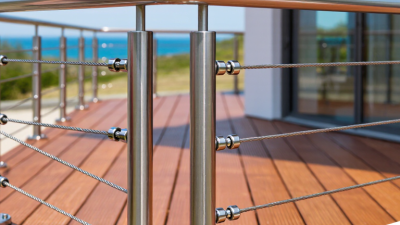
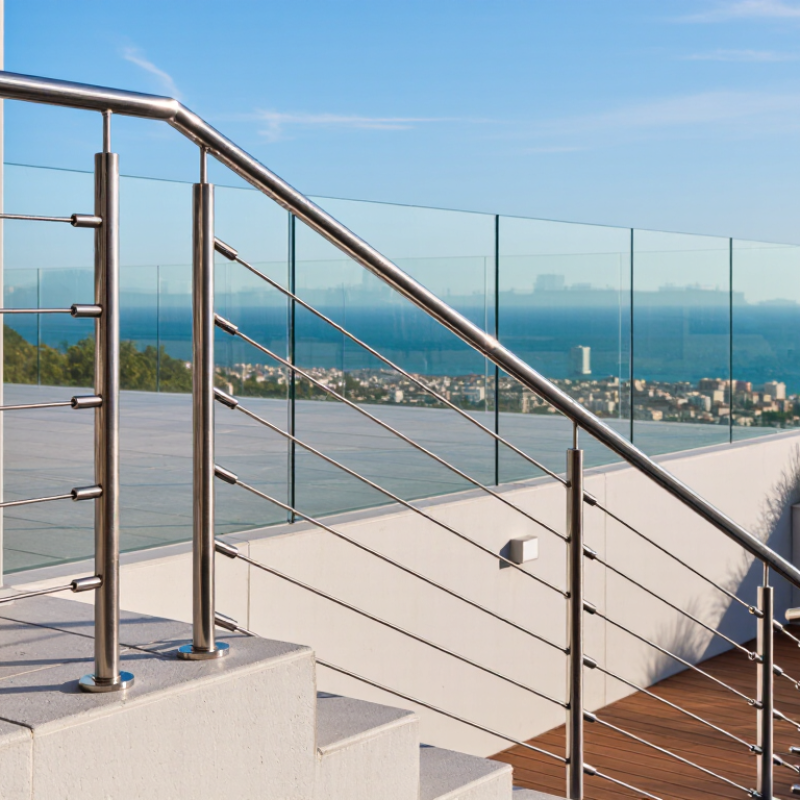
Stainless steel cable railing systems differ by cable direction, frame design, and installation method. Horizontal cable railing creates a clean, open view for balconies, decks, and terraces. Vertical cable systems can reduce climbing concerns in certain residential applications. Local building rules still control acceptable spacing and handrail height.
Grade 304 stainless steel suits many inland environments with moderate humidity. Grade 316 stainless steel performs better near saltwater, industrial air, and frequent rainfall. The difference is practical, not decorative. A coastal buyer should also check cable, fittings, posts, and fasteners for matching corrosion resistance.
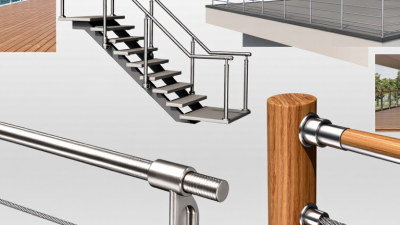
Post-and-cable systems offer flexible layouts around corners and stairs. Framed panels can simplify alignment and provide a more rigid appearance. Surface-mounted posts work well on solid concrete or timber edges. Fascia-mounted posts save deck space, but the supporting structure must carry the tension load. Common cable sizes include 3.2, 4, and 5 millimeters, depending on regional standards and engineering requirements.
Installation quality matters as much as material selection. Cable terminals need accurate swaging and even tension. Posts may require retensioning after seasonal movement. A neat drawing can still hide weak edge blocking or poor drainage. I have seen attractive systems fail early because water remained inside unsealed post bases. Global buyers should request load data, material certificates, installation guidance, and corrosion details before ordering. Local inspection remains essential.
Comparing Cable Layouts, Posts, Terminals, and Mounting Methods
2026 Top SS Cable Railing Types for Global Buyers
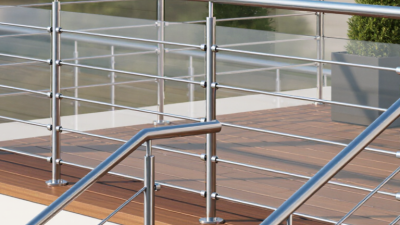
For 2026, stainless steel cable railing choices depend on layout, posts, terminals, and mounting conditions. Horizontal cable layouts create an open view across decks, balconies, and stairways. Vertical layouts can reduce climbing concerns in some applications. Always confirm spacing with local requirements.
Post selection affects both strength and appearance. End posts carry cable tension, while intermediate posts control deflection along longer runs. Corner posts need accurate alignment to prevent uneven loading. Round posts suit modern projects, but square posts simplify some mounting details. Stainless steel 316 performs well near saltwater, while 304 may suit sheltered inland environments.
Terminal systems include swaged fittings, threaded adjusters, and compact tensioners. Adjustable terminals help correct small installation errors. They cannot fix badly positioned posts. Face mounting saves walking width, while top mounting works well on sturdy deck edges. Side mounting demands reliable substrate and careful edge clearances. Concrete, timber, and steel each require different anchors or fasteners.
Cable runs should remain straight and evenly tensioned. Uneven tension looks careless. I have found that installers often underestimate corner alignment and tool access. That mistake increases labor and may damage fittings. A practical inspection checks cable spacing, post rigidity, terminal seating, and corrosion risks before final handover. No layout is perfect. Real sites always need measured adjustments.
| Railing Type | Cable Layout | Typical Cable Specification | Recommended Post Configuration | Common Terminal Arrangement | Primary Mounting Method | Suitable Applications | Key Advantages | Important Design Considerations |
|---|---|---|---|---|---|---|---|---|
| Straight Horizontal Cable Railing | Parallel horizontal cables running between end posts, with intermediate posts where required. | Marine-grade stainless steel cable; commonly 1/8 in (3.2 mm), 5/32 in (4.0 mm), or 3/16 in (4.8 mm); 1x19 construction is widely used for low stretch. | Two end posts plus intermediate posts at engineered spacing; intermediate posts usually use pass-through holes or guides. | Threaded tensioners or swage terminals at end posts; one fixed end and one adjustable end is common. | Top-mounted or side-mounted posts fixed to structural wood, steel, or concrete framing. | Decks, balconies, terraces, rooftop edges, and straight stair landings. | Clean sightlines; simple cable alignment; efficient for long straight runs. | Post spacing, cable deflection, guard height, opening size, and end-post strength must be verified against local building requirements. |
| Horizontal Cable Stair Railing | Horizontal cables installed between stair posts, generally following the inclined handrail line. | Typically 1/8–3/16 in stainless steel cable; cable quantity depends on the required vertical opening limitation. | Stair-angle end posts, landing posts, and intermediate posts aligned to the stair pitch. | Angle-compatible terminals, threaded studs, or compact tensioners installed at stair end posts. | Surface-mounted stair posts, fascia-mounted posts, or structural side-mounted brackets. | Interior and exterior stairs, split-level decks, and access platforms. | Maintains a light visual appearance while following the stair geometry. | Diagonal cable routing can increase installation complexity; verify handrail continuity, edge clearance, and opening limits. |
| Vertical Cable Railing | Vertical cables run from the top rail or upper structure down to the deck, stair stringer, or lower rail. | Commonly 1/8 in or 5/32 in stainless steel cable; spacing is determined by the required opening limitation. | Top and bottom rails or structural frames with fewer horizontal intermediate posts. | Compact eye terminals, threaded fittings, or swage fittings at the upper and lower termination points. | Top-mounted posts, framed panels, or side-mounted systems with a rigid top and bottom support. | Stairs, child-sensitive areas, balconies, and designs where horizontal climbing lines are undesirable. | Can reduce horizontal climbing opportunities and works well on stairs. | Requires accurate cable-length control and rigid top/bottom members; inspect tension periodically. |
| Through-Post Cable System | Cables pass continuously through drilled holes in intermediate posts. | Usually 1/8–3/16 in 1x19 stainless steel cable with protective sleeves or low-friction bushings where needed. | End posts carry the main cable tension; intermediate posts guide the cables through aligned holes. | Adjustable threaded terminals concentrated at the end posts; intermediate posts normally have no separate terminal. | Posts mechanically fastened to a structural deck, slab, beam, or stair stringer. | Long, visually open runs where minimizing visible fittings is important. | Few visible components; continuous alignment; streamlined appearance. | Hole alignment must be precise. End posts and their anchors must resist the accumulated cable tension. |
| Swaged Terminal Cable System | Individual cable sections terminate at each end instead of passing continuously through posts. | 1x19 stainless steel cable, commonly 1/8, 5/32, or 3/16 in; cable and fitting sizes must match. | End, corner, and stair posts are designed to receive terminal fittings; intermediate posts guide or support cable. | Swage studs, swage terminals, turnbuckles, or fork terminals installed with compatible crimping equipment. | Top-mount, side-mount, or fascia-mount posts depending on the structural substrate. | Custom layouts, corners, stairs, and projects requiring a compact terminal profile. | Strong and compact when correctly swaged; suitable for varied geometries. | Requires correct swaging dies, calibrated tools, proper insertion depth, and trained installation personnel. |
| Threaded Tensioner Cable System | Horizontal or inclined cable lines with an adjustable tensioner at one or both ends. | Stainless steel cable paired with threaded tensioners sized to the cable diameter and load requirements. | Rigid end posts with sufficient bending resistance; intermediate posts may be pass-through or guide-post types. | Threaded tensioners, stud assemblies, or receiver fittings that allow field adjustment. | Mechanically anchored posts on wood, concrete, steel, or engineered framing. | Projects where installation tolerances or future retensioning are important. | Adjustable without replacing the cable; practical for maintenance and seasonal movement. | Exposed threads should be protected from corrosion and damage; avoid over-tensioning posts or anchors. |
| Top-Mounted Post System | Usually horizontal cables between posts positioned on the walking surface or deck edge. | Commonly 1/8–3/16 in stainless steel cable; cable diameter should be selected with the complete system design. | Square, round, or rectangular posts with base plates fixed vertically to the top surface. | Side-exit or end-exit terminals installed through the posts; top rail may be wood, metal, or stainless steel. | Base plates secured with structural bolts, anchors, or through-bolts into adequately reinforced framing. | New decks, concrete balconies, roof terraces, and accessible slab edges. | Straightforward layout; convenient for new construction with accessible top surfaces. | Base plates reduce usable edge space and may create trip or drainage details; substrate capacity is critical. |
| Side-Mounted / Fascia-Mounted System | Cables run parallel to the deck or balcony edge with posts fixed to the vertical fascia or beam face. | Typically 1/8–3/16 in stainless steel cable with terminals oriented parallel or perpendicular to the fascia. | Narrow-profile posts with side plates, offset brackets, or concealed structural connections. | Side-exit tensioners, threaded studs, or compact swage terminals. | Bolted through the fascia into structural rim joists, beams, steel, or reinforced concrete edges. | Narrow balconies, decks with limited walking width, and installations requiring a clear deck surface. | Preserves floor area; creates a clean edge; useful where top mounting is obstructed. | Fascia boards alone are rarely adequate; verify edge distance, local reinforcement, waterproofing, and pull-out resistance. |
| Wood-and-Stainless Hybrid System | Stainless cable infill combined with timber posts or a timber handrail. | Most often 1/8 or 5/32 in stainless steel cable; fittings should be compatible with timber movement. | Structural hardwood or treated timber posts with stainless sleeves, washers, and reinforcing plates where needed. | Threaded tensioners, eye fittings, or swaged terminals installed through reinforced wood members. | Lag screws, through-bolts, carriage bolts, or concealed structural connectors into load-bearing framing. | Residential decks, garden terraces, verandas, and projects requiring a warmer appearance. | Combines natural visual character with open cable infill and repairable components. | Wood shrinkage, swelling, splitting, fastener corrosion, and end-grain sealing require regular inspection. |
| Stainless Steel Post-and-Rail System | Cables installed between stainless posts beneath a continuous rigid handrail. | Commonly 1/8–3/16 in stainless steel cable; handrail and posts may use round or square sections. | Welded or mechanically assembled stainless posts with a rigid top rail and optional bottom rail. | Concealed threaded fittings, swage studs, or tensioners integrated into the posts. | Top-mounted base plates, side-mounted plates, or engineered point-fix brackets. | Contemporary residential, hospitality, marine-adjacent, and commercial environments. | High corrosion resistance when the correct alloy and finish are selected; coordinated appearance. | Prevent tea staining and galvanic corrosion by using compatible fasteners and maintaining the surface correctly. |
| Concrete- or Masonry-Anchored Cable Railing | Horizontal or inclined cables supported by posts anchored directly to a slab, curb, or structural wall. | Usually 1/8–3/16 in stainless steel cable with terminals selected for the post geometry. | Posts with base plates or side plates engineered for concrete or masonry edge conditions. | Threaded tensioners or swaged terminals fixed to reinforced end and corner posts. | Mechanical anchors, chemical anchors, cast-in plates, or through-bolts, subject to substrate design. | Concrete balconies, podium terraces, commercial stairs, and rooftop edges. | Suitable for durable mineral substrates and retrofit applications. | Do not anchor into weak toppings or unverified masonry; check concrete edge distance, reinforcement, cracking, and waterproofing. |
| Buyer checklist: Confirm the stainless-steel grade, cable diameter and construction, cable spacing, guard and handrail height, end-post and corner-post capacity, anchor type, substrate strength, drainage details, corrosion environment, installation tooling, and the applicable local building standard before purchase. | ||||||||
304 is widely used in general exterior environments; 316/316L is commonly preferred for marine, coastal, de-icing-salt, or high-chloride exposure.
1x19 cable provides relatively low stretch and good dimensional stability; the complete cable-and-terminal assembly must be matched.
1/8 in, 5/32 in, and 3/16 in are common market sizes, but the required size depends on engineering, span, post spacing, and local regulations.
Guard systems are structural assemblies. Cable tension must be transferred through end posts, corners, base plates, anchors, and the supporting structure.
Selecting Materials for Climate, Safety, and Building Requirements
2026 Top SS Cable Railing Types for Global Buyers
Selecting Materials for Climate, Safety, and Building Requirements
Stainless steel cable railings suit balconies, stairs, decks, and commercial terraces. Horizontal cable systems offer open views and a lighter visual appearance. Vertical cable systems can reduce climbable gaps in some building designs. Glass-and-cable combinations provide stronger wind protection, but they need more cleaning and precise installation.
Material selection should follow the climate, not only the purchase price. Grade 304 stainless steel works well in many inland environments with moderate humidity. Grade 316 or 316L offers better resistance near salt air, industrial pollution, and frequent moisture. Coastal buyers should inspect fittings, cable ends, and hidden joints carefully. Small crevices can hold saltwater. Corrosion often starts there.
Safety depends on the complete system. Cable diameter, post spacing, tension, anchor strength, and handrail height must match local building requirements. Confirm opening limits and load requirements with a qualified engineer or inspector. Do not assume thicker cable solves every problem. Poorly supported posts can still move. Field checks should include loose fittings, sharp cable ends, rust staining, and uneven tension. A polished finish may look excellent on delivery, yet maintenance access can be overlooked. That mistake deserves more attention. Temperature changes, cleaning chemicals, and nearby dissimilar metals also affect long-term performance. Regular inspections remain necessary, especially after storms or heavy public use.
Global Purchasing Factors: Standards, Costs, Installation, and Supply
2026 Top SS Cable Railing Types for Global Buyers?
Global buyers usually compare 1x19, 7x7, and 7x19 stainless steel cables. 1x19 cable offers low stretch and clean lines. 7x7 bends more easily around corners. 7x19 suits curved layouts, but it may look less rigid. Grade 316 stainless steel remains a safer coastal choice than Grade 304. The International Stainless Steel Forum reported global stainless steel production above 60 million tonnes in recent years, showing strong material availability. Availability still differs by region.
Standards should guide every purchase. The 2024 International Building Code commonly requires 42-inch guard heights and limits openings to four inches. Local codes may demand different loads or dimensions. ASTM A1024 covers stranded stainless steel cable, while ISO 3506 supports stainless fastener selection. Costs include posts, terminals, drilling, freight, duties, and installation labor. RSMeans construction cost data shows regional labor differences can significantly change installed prices. A cheaper cable may create higher tensioning and maintenance costs. I still see buyers compare only cable prices. That approach is incomplete.
Tips: Request mill certificates, salt-spray evidence, load-test records, and installation drawings. Confirm cable diameter before ordering terminals. Leave adjustment access near end posts. Inspect tension after the first seasonal change. The World Bank’s commodity outlook also reminds buyers that metal prices can shift with energy and transport costs. Stock availability looks attractive, but oversized orders can increase storage risks and cash pressure.
2026 Top Stainless Steel Cable Railing Types for Global Buyers
Common cable constructions and nominal diameters used in international railing projects.
1×19 cable is valued for its low stretch and clean appearance, while 7×7 and 7×19 constructions offer progressively greater flexibility for installation. The 3–6 mm diameter range is commonly specified for stainless steel cable railing, but final selection should be verified against local building codes, structural loads, corrosion requirements, terminal compatibility, installation conditions, and total delivered cost.
Related Posts
-
2026 Top Types of SS Cable Railing for Global Buyers
-
How to Choose Metal Cable Railing?
-
What Are the Top Stainless Steel Cable Railing Suppliers?
-
Top Types of Wire Railing for Global Buyers
-
Why Choosing the Right Cable Stair Railing is Essential for Your Home Safety
-
How to Choose the Best Cable Railing for Your Home Design Needs?