How to Choose Metal Cable Railing?
Choosing metal cable railing is not only a matter of matching stainless steel with a modern deck. It affects visibility, maintenance, safety, and long-term comfort. A system may look elegant in a showroom, yet feel loose, harsh, or difficult to clean after installation. This guide examines those practical differences before appearance takes over.
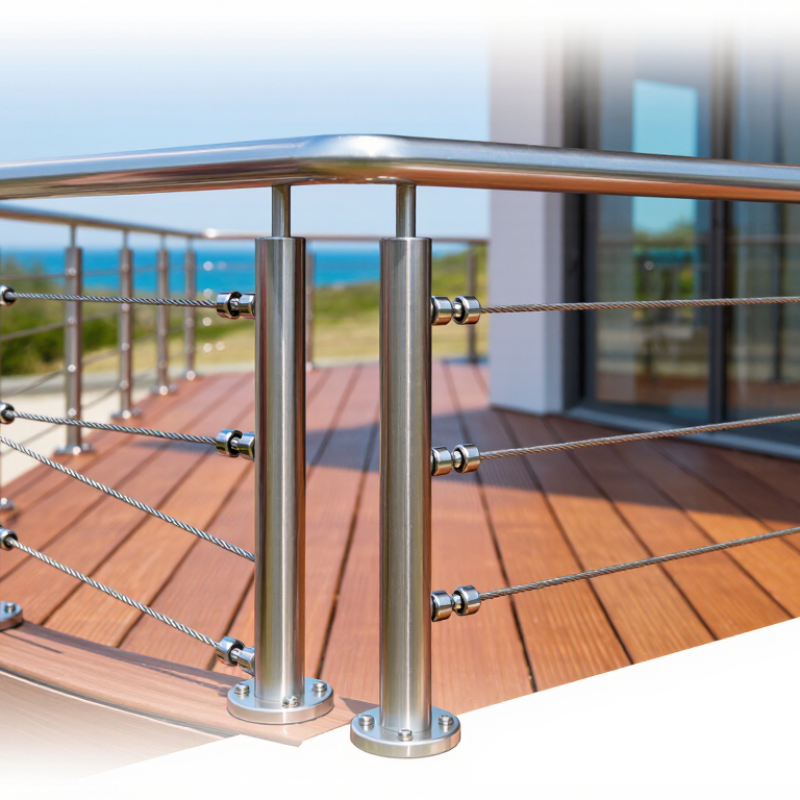
Start with the environment around the railing. Coastal air, winter salt, pool chemicals, and frequent rain can challenge even durable materials. Marine-grade stainless steel may suit exposed locations, while powder-coated components can provide a different appearance and maintenance routine. Cable diameter, post spacing, terminal fittings, and tensioning hardware also deserve close attention. Small parts matter. A weak fitting can undermine an otherwise excellent design.
Reliable selection requires more than reading product descriptions. Confirm the material grade, cable compatibility, load information, warranty terms, and installation instructions. Local building requirements should be checked with a qualified professional before purchase. Experienced installers can identify problems that photographs hide, such as uneven post alignment or insufficient anchoring depth. Still, no recommendation fits every property. A premium metal cable railing system can perform poorly when installed carelessly or exposed to conditions it was not designed to handle. That is an uncomfortable point, but it deserves attention. The best choice balances appearance, verified performance, cleaning demands, budget, and the people who will use the space every day. Imagine gripping the top rail on a cold morning, checking a cable after a storm, or wiping salt from the fittings. Those ordinary moments reveal whether the railing was chosen wisely.
Define Your Safety, Style, and Performance Requirements
How to Choose Metal Cable Railing?
Choosing metal cable railing starts with your safety requirements. Measure the opening, stair angle, and post spacing carefully. A small measurement error can create unsafe gaps or unwanted cable movement. Check your local building requirements before ordering materials. These rules may address height, spacing, load resistance, and handrail design. For stairs, confirm that the handrail feels continuous and comfortable in your grip. Children and pets also deserve consideration. Cable tension should remain secure without making the structure unnecessarily rigid.
Style comes next, but it should support the building rather than compete with it. Stainless steel cables create a light, open view, while darker metal posts can frame a modern exterior. Match the railing finish with nearby doors, lighting, and hardware. Think about water, salt, dust, and direct sunlight. Finishes that look excellent indoors may need more maintenance outdoors. I once underestimated the visual effect of reflections near a glass wall. The final result was functional, but not as calm as expected. Sample materials in the actual space.
Performance depends on more than cable strength. Posts, fittings, anchors, and the supporting deck must work together. Ask for load data and installation guidance from qualified professionals. Inspect connections after installation and retension cables when necessary. Loose cables can spoil both safety and appearance. Metal also expands and contracts with temperature changes. Leave room for adjustment. A perfect drawing can still meet an imperfect site. That is worth checking.
How to Choose Metal Cable Railing? - Define Your Safety, Style, and Performance Requirements
| Requirement | Recommended Selection | Typical Options | Performance or Safety Consideration | Best Use Case |
|---|---|---|---|---|
| Cable diameter | Select a diameter that matches the engineered system and local requirements. | 1/8 in (3.2 mm), 3/16 in (4.8 mm), or 1/4 in (6.4 mm) | Larger cable can provide greater stiffness, but post spacing, terminals, and tensioning hardware are equally important. | 1/8 in for a light visual profile; 3/16 in or larger for higher-duty layouts when approved by the system design. |
| Cable material | Use corrosion-resistant stainless steel suitable for the installation environment. | Type 316 stainless steel; Type 304 stainless steel | Type 316 generally offers better resistance to chlorides and coastal exposure than Type 304. Neither grade is maintenance-free. | 316 for coastal, poolside, or de-icing-salt areas; 304 for many sheltered inland applications. |
| Cable spacing | Keep openings within the limit required by the applicable building code. | A common residential benchmark is a maximum 4 in (102 mm) sphere rule. | Actual requirements vary by jurisdiction, occupancy, stair configuration, and guardrail design. Confirm with the authority having jurisdiction. | Residential decks, balconies, porches, and stair guards where compliant infill is required. |
| Post spacing | Use spacing supported by structural calculations and the selected cable system. | Approximately 4–6 ft (1.2–1.8 m) is common in many layouts. | Longer spans increase cable deflection and may require heavier posts, intermediate supports, or additional tensioning provisions. | Shorter spacing for greater rigidity; wider spacing when the engineered system permits it. |
| Guard height | Set the finished guard height according to local code and the building type. | Many residential jurisdictions use about 36 in (914 mm); some conditions require 42 in (1067 mm) or another height. | Measure from the completed walking surface to the top of the guard. Stair guards may have different measurement rules. | Decks, balconies, landings, and elevated walkways subject to fall-protection requirements. |
| Frame material | Choose a frame with adequate strength, compatible finishes, and suitable corrosion resistance. | Stainless steel, powder-coated aluminum, or coated carbon steel | Mixing dissimilar metals can increase galvanic-corrosion risk, especially in wet or salty environments. Use compatible fittings and isolation methods. | Stainless steel for exposed environments; aluminum for lower weight; coated steel where robust structural support is needed. |
| Top rail | Specify a continuous, comfortable grasping or guarding surface where required. | Round, rectangular, or flat-profile metal top rails | The top rail must resist applicable concentrated and uniform loads and should be securely connected to the posts. | Round profiles for hand comfort; rectangular profiles for a contemporary architectural appearance. |
| Tensioning hardware | Use adjustable terminals designed for the selected cable size and layout. | Threaded tensioners, swage terminals, turnbuckles, and end fittings | Accessible adjustment points simplify installation and future retensioning. Follow the specified torque or tension procedure. | Long runs, multi-section railings, and installations exposed to temperature changes. |
| Installation direction | Use horizontal cables only where permitted and properly restrained; use stair-rated fittings for angled runs. | Horizontal deck runs, angled stair runs, or a combined layout | Stair cables need compatible angled hardware and must maintain compliant openings along the slope. | Horizontal systems for decks and balconies; angled systems for stair guards. |
| Surface finish | Match the finish to the desired appearance, exposure level, and cleaning routine. | Brushed stainless steel, polished stainless steel, or architectural powder coating | Brushed finishes conceal minor marks better; polished surfaces reflect more light. Coatings require protection from chips and harsh cleaners. | Brushed metal for low-key modern designs; powder coating for coordinated color schemes. |
| Maintenance needs | Plan periodic inspection, cleaning, and tension checks. | Routine washing with clean water and a mild cleaner; visual inspection at least seasonally | Remove salt, dirt, and construction residue promptly. Do not use chlorine-based or abrasive cleaners on stainless steel. | All outdoor systems, especially those near the sea, swimming pools, roads, or industrial areas. |
| Code and structural verification | Confirm the complete assembly before purchasing or installing. | Review local guard height, opening limits, load requirements, permits, and inspection rules. | Cable size alone does not establish compliance. Posts, anchors, rails, fittings, substrates, and connections must work as one tested or engineered system. | Every project, particularly elevated decks, commercial areas, multifamily buildings, and public spaces. |
Note: Dimensions and recommendations are general planning references. Always verify the current requirements of the applicable building code and obtain project-specific structural approval where required.
Related Posts
-
2026 Top Types of SS Cable Railing for Global Buyers
-
Transforming Spaces: The Ultimate Guide to Cable Handrail System Designs and Installations
-
2026 Best Steel Cable Railing Options for Modern Homes?
-
The Ultimate Guide to Choosing the Right Cable Stair Railing for Your Home Decor
-

How to Install Cable Railing for Your Deck or Balcony Like a Pro
-
Why Choosing the Right Cable Stair Railing is Essential for Your Home Safety