What is a Wire Railing System and How Does It Enhance Safety?
Wire railing systems have gained significant attention in the safety industry due to their unique blend of functionality and aesthetics. According to a recent report by the Safety Rail Industry Association, the market for wire railing systems is expected to grow by 25% over the next five years. This indicates a rising trend in their application across residential and commercial spaces. Experts like David Monroe, an industry leader at SafeGuard Railings, note, “Wire railing systems offer unparalleled safety while maintaining a modern look that appeals to many.”
These systems enhance safety through their robust design and visibility. Unlike traditional railings, wire railings do not obstruct views. They allow light to pass through, creating an inviting atmosphere. However, some critics argue that wire railings may not provide the same level of protection for small children or pets. This requires careful consideration during installation and design.
Moreover, the materials used in wire railing systems can affect their performance over time. While stainless steel offers durability, maintenance is crucial to prevent rust. This highlights a paradox: while wire railings improve safety, their effectiveness relies on proper care. Investing in high-quality materials and regular inspections can bridge this gap.

Understanding Wire Railing Systems: Definition and Components
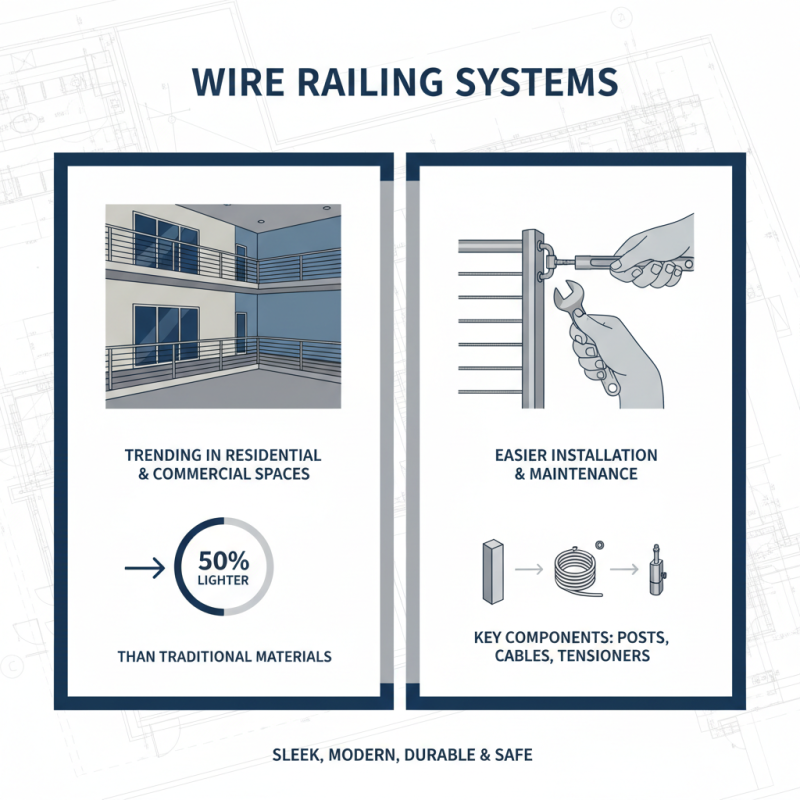
Wire railing systems are becoming increasingly popular in both residential and commercial spaces. These systems consist of steel or aluminum posts connected by stainless steel cables, creating a sleek and modern look. Studies show that such railings can be up to 50% lighter than traditional materials, which might lead to easier installation and maintenance. The components often include top rails, posts, and tensioning devices, designed for maximum durability and safety.
Safety is a key aspect of wire railing systems. When installed correctly, they provide clear visibility while acting as a barrier. According to a report by the American Society for Testing and Materials, properly tensioned wire railings can withstand forces of up to 1,700 pounds. This resilience is crucial for preventing falls in areas like balconies, staircases, and decks. However, it is essential to regularly inspect the components for wear and corrosion, as even minor issues can compromise safety over time.
While these railings offer aesthetic appeal, they are not without concerns. The installation requires precise engineering skills. If not tensioned improperly, the cables may sag or even snap, leading to potential hazards. Additionally, without regular maintenance, the cables may rust or weaken. Awareness of these challenges is necessary for any building project considering wire railing systems.
Advantages of Wire Railing Systems in Enhancing Safety
Wire railing systems are becoming increasingly popular in various settings. They provide a modern look while significantly enhancing safety. The key lies in their robust design and versatility. They can be used on balconies, stairs, and commercial spaces. People often overlook the importance of having secure railings. A wire railing system addresses this by offering clear visibility while ensuring safety.
One of the main advantages is that these systems deter falls. The tightly woven wires prevent slips, especially in high-traffic areas. Their transparent nature also allows for unobstructed views. This feature can enhance the aesthetic appeal of any environment. However, installation must be executed carefully. Improper setup could lead to potential hazards. Regular maintenance is also required to check for wear and tear.
In addition, wire railings are often made from durable materials. Stainless steel is a common choice, providing strength and resistance to the elements. Yet, the cost can be a consideration for some. It's essential to weigh the functionality against the budget. Railing systems offer great safety benefits, yet they're not a one-size-fits-all solution. Careful planning and consideration are key to achieving the desired outcome.
Advantages of Wire Railing Systems in Enhancing Safety
Installation Process of Wire Railing Systems for Optimal Performance
The installation process of wire railing systems requires careful planning and attention to detail. Begin by measuring the area where the railing will be installed. This ensures a perfect fit. Typical materials include stainless steel cables and sturdy posts. Make sure to choose materials that withstand the elements.
Before you start, prepare your tools. You’ll need a measuring tape, a level, and a drill. Always check local guidelines for safety standards. Pay attention to the spacing between wires; it should prevent anything from slipping through. Remember, this is a safety feature, so accuracy is crucial.
Tips: Double-check measurements before cutting any materials. Small errors can lead to big problems later on. Keep a clean work area to avoid accidents. Lastly, do not rush the installation. Take your time to ensure everything is secured properly. This safety measure deserves full attention.
Maintenance Tips for Ensuring the Longevity of Wire Railing Systems
Wire railing systems have become increasingly popular for their sleek design and enhanced safety. However, maintaining these systems is crucial for ensuring their longevity and effectiveness. Regular inspections are key. Look for signs of wear and tear. Identify any loose cables or rust spots. It only takes a small issue to turn into a larger problem.
Cleaning is just as important. Use a soft brush or cloth to remove dirt and debris. Avoid harsh chemicals that can damage the wire. Rinsing with water can be sufficient. Regular cleaning will prevent buildup that can weaken the system. Pay attention to the posts and connectors too. They often bear the most stress.
Timing matters. Schedule maintenance every few months or after severe weather. Stay proactive to reduce the risk of accidents. Sometimes, DIY fixes may not be enough. If the system shows significant damage, consider consulting a professional. Regular check-ups can be a hassle, but they are necessary. After all, safety should always come first.
Comparing Wire Railing Systems to Traditional Railing Options
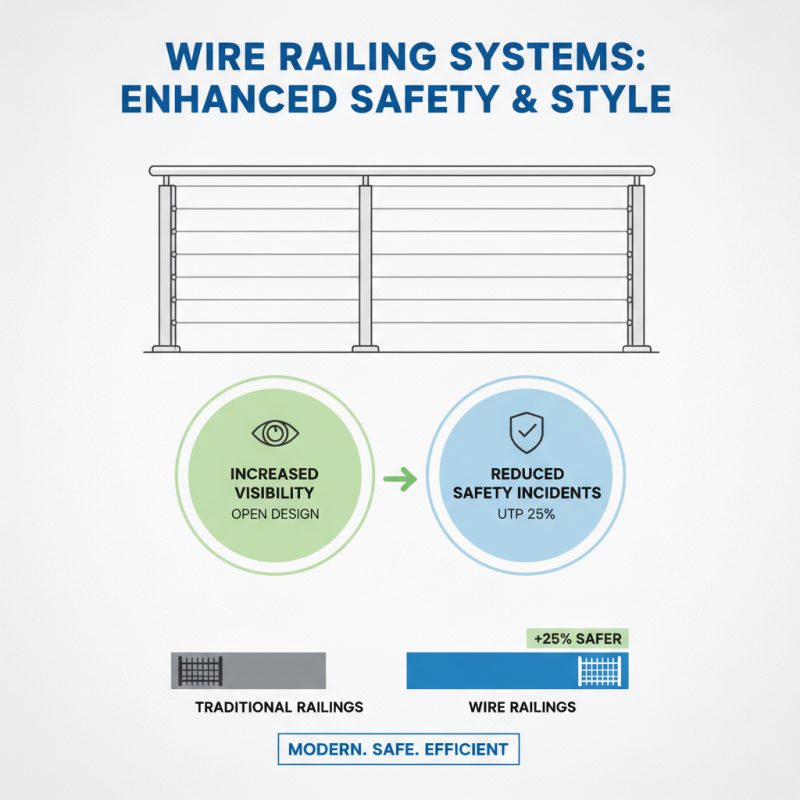
Wire railing systems have gained popularity in various construction settings. Their design offers several advantages over traditional railing options. For instance, the open design of wire railings allows for better visibility. This is essential in areas where safety and aesthetics are crucial. According to a recent industry report, installations of wire railings can reduce safety incidents by up to 25%. This figure highlights the real impact that enhanced visibility can have.
Comparing with traditional railings like wood or metal, wire railings often require less maintenance. Wood can warp and rot, and metal may rust over time. Conversely, wire railings use materials that withstand environmental factors better. Industry data suggests that over 35% of property owners experienced lower maintenance costs after switching to wire railings. However, it’s important to consider installation challenges. Proper installation is vital. Poorly installed systems can compromise safety despite their design advantages. This indicates a need for skilled labor in the installation process.