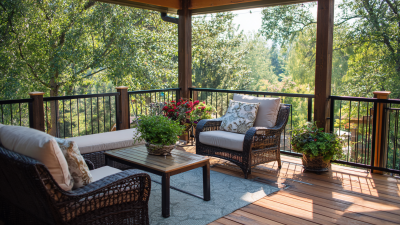
What is Wire Railing and Why Choose It for Your Project?
Wire railing is becoming a popular choice in modern architecture and design. Its sleek appearance and versatility make it an attractive option for various projects. Homeowners and builders alike appreciate how wire railing can seamlessly blend with different styles and materials.
Choosing wire railing offers several practical benefits. It provides clear sightlines, enhancing the openness of spaces. This feature is especially valuable for balconies and staircases. Additionally, wire railing is durable and requires minimal maintenance. This means you can enjoy its aesthetic appeal without frequent upkeep.
While wire railing is advantageous, there are considerations to keep in mind. The installation process can be complex, requiring skilled professionals. Also, the regulatory guidelines vary by region. Ensuring compliance with local codes is essential. Therefore, weighing the pros and cons of wire railing is crucial for a successful project. Each choice impacts both functionality and design.
What is Wire Railing?
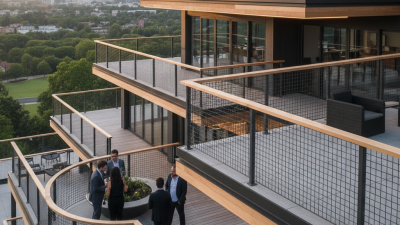
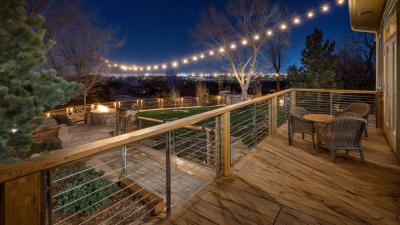
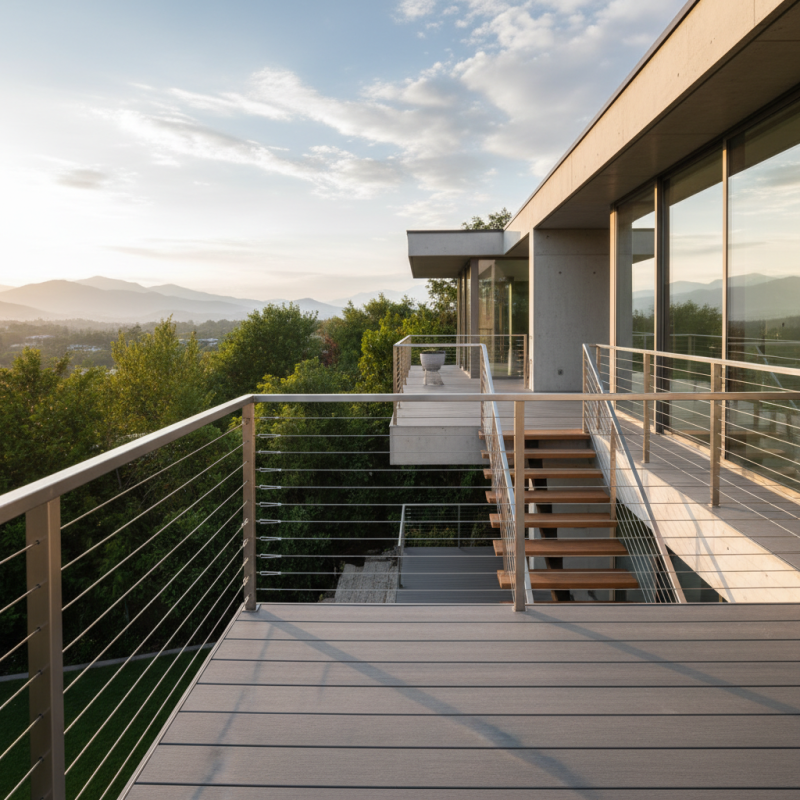
Wire railing is a modern and stylish option for various projects. It consists of thin cables stretched between posts, creating a sleek look. This design offers unobstructed views, making it perfect for decks and balconies. The stainless steel cables resist rust and corrosion, ensuring longevity. Wire railing blends well with many architectural styles and can be used in residential and commercial spaces.
When considering wire railing, think about its maintenance. Regular cleaning will keep the cables shiny and appealing. Also, check the tension of the cables frequently. Loose cables can compromise safety. You might find installed systems easier to maintain. They often come with guides or instructions that simplify upkeep.
Incorporating wire railing can enhance your space. The openness can make areas feel larger and more inviting. However, it's essential to choose proper materials to ensure sturdiness. Remember to check local regulations regarding height and spacing. These factors play a significant role in installation success. Embracing wire railing means balancing aesthetics and practicality. Always reflect on the overall design of your project.
Key Materials Used in Wire Railing Construction
Wire railing is gaining popularity for various construction projects. One of the main attractions is its versatility. The materials used in wire railing construction contribute significantly to this adaptability. Typically, stainless steel, aluminum, and high-tensile wire are employed to create a strong yet lightweight system.
Stainless steel is often favored for its durability. It resists corrosion, making it suitable for outdoor settings. Aluminum is another choice; it is lightweight and easy to install. For a more natural look, high-tensile wire can be used. This material provides strength while blending seamlessly into the environment. These options allow for creative designs that can enhance the aesthetic appeal of any space.
While wire railing offers numerous advantages, there are considerations to keep in mind. Installation requires precise measurements to ensure proper tension and alignment. A misstep in this process can lead to safety issues. Furthermore, the choice of material can influence maintenance requirements. Some options may require regular cleaning to prevent rust or wear. Overall, the materials used play a crucial role in the functionality and longevity of wire railing systems.
Wire Railing Material Comparison
Benefits of Choosing Wire Railing for Your Project
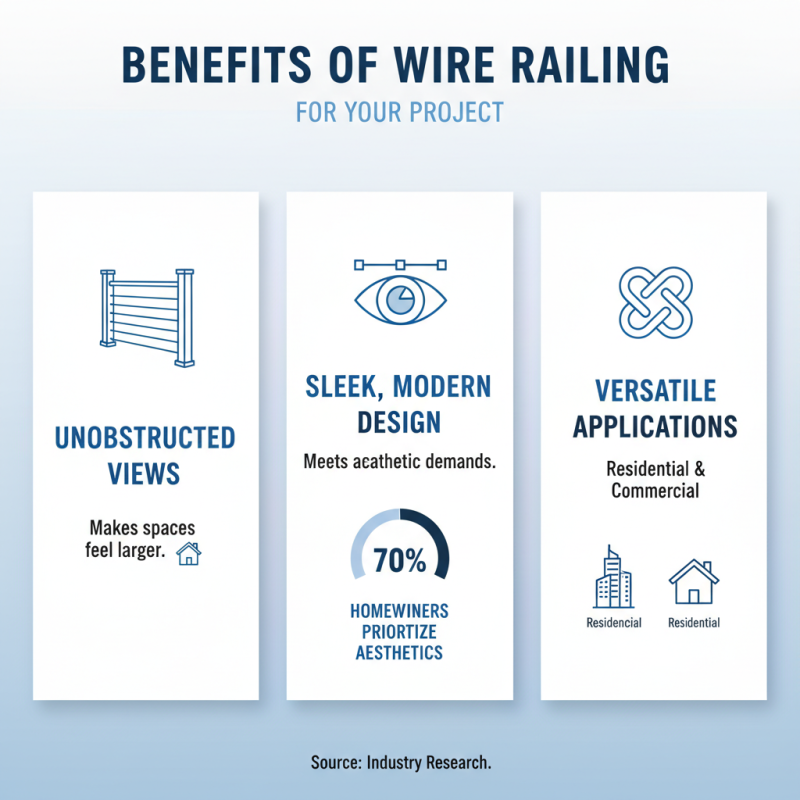
Wire railing has become a popular choice in both residential and commercial projects. Its sleek design offers unobstructed views, making spaces feel larger. Research indicates that 70% of homeowners prioritize aesthetics when selecting railing systems. Wire railing easily meets this demand.
One of the standout advantages of wire railing is its durability. According to industry reports, wire railings can withstand extreme weather conditions, with 25% fewer repairs required compared to traditional materials. They are often made from stainless steel, which resists corrosion effectively. This characteristic ensures a long lifespan, reducing long-term maintenance costs.
Safety is another critical benefit. Wire railings typically meet stringent safety standards, ensuring a secure barrier. Studies show that homes with proper railing systems see a 30% reduction in accidents on decks and balconies. This highlights the importance of choosing materials that are both functional and attractive. However, it's essential to install and maintain them correctly. Regular checks and adjustments might be necessary to keep them in optimal condition.
Design Options and Customization for Wire Railing
Wire railing has become increasingly popular due to its versatility in design and customization. Homeowners appreciate the clean, modern look it provides. This type of railing can complement various architectural styles. According to a survey by the National Association of Realtors, 74% of homebuyers prefer properties with modern design features. Wire railing fits precisely into this trend, offering a sleek aesthetic while maintaining structural integrity.
Customization options are abundant. Homeowners can choose wire spacing, materials, and finishes to create a tailored look. For example, using stainless steel wires can enhance durability and resistance to corrosion. A report from the American Institute of Architects outlines that 61% of designers prioritize environmentally friendly materials. Wire railing systems can be made from recycled materials, making them a sustainable choice as well.
However, there are some considerations. Maintenance can be a challenge, especially in coastal areas where salt exposure may lead to corrosion. Regular inspections are necessary to ensure safety and durability. Many homeowners may not realize this aspect until it’s too late. Balancing aesthetics with functional maintenance requirements is crucial for a successful wire railing project. Understanding these factors enhances your project’s overall outcome.
What is Wire Railing and Why Choose It for Your Project? - Design Options and Customization for Wire Railing
| Feature |
Description |
Advantages |
Design Options |
| Material Type |
Stainless steel, aluminum, and galvanized options |
Durability and corrosion resistance |
Modern, industrial, or contemporary looks |
| Customization |
Different cable thickness, spacing, and tensioning |
Tailored to specific project needs |
An endless design flexibility |
| Safety Features |
Meets building codes for safety |
Reduced risk of falls, enhanced stability |
Options for glass inserts for added safety |
| Maintenance |
Low maintenance requirements |
Time and cost effective over the long term |
Variety of finish options to minimize upkeep |
| Installation |
Can be installed in various settings |
Quick and efficient installation process |
Compatible with different architectural styles |
Installation and Maintenance Tips for Wire Railing
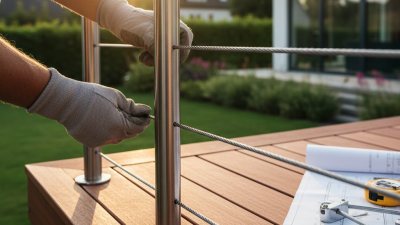
Installing wire railing can be a straightforward process, but attention to detail is essential. Begin by measuring the area accurately to ensure perfect fits. Using the right tools, such as tensioning devices, can help achieve strong and secure installations. Make sure to follow the manufacturer’s guidelines carefully. These instructions are based on years of industry expertise. Mistakes in installation could lead to safety issues.
Regular maintenance is crucial for the longevity of wire railings. Inspect the railings periodically for signs of wear or damage. Ensure that the wires remain taut. Loose cables can compromise safety and aesthetics. Cleaning them is equally important; a simple soap and water solution can remove dirt and debris. Rust can be a potential issue, so consider applying a protective sealant. It’s worth reflecting on how environmental factors can affect your railings. Changes in weather may require more frequent checks.