What is a Wafer Roll Machine and How Does It Work?
The Wafer Roll Machine is a fascinating piece of equipment in the food industry. It creates delicious wafer rolls, a popular snack enjoyed by many. This machine uses a unique process to cook and shape the wafer batter into thin, crispy rolls.
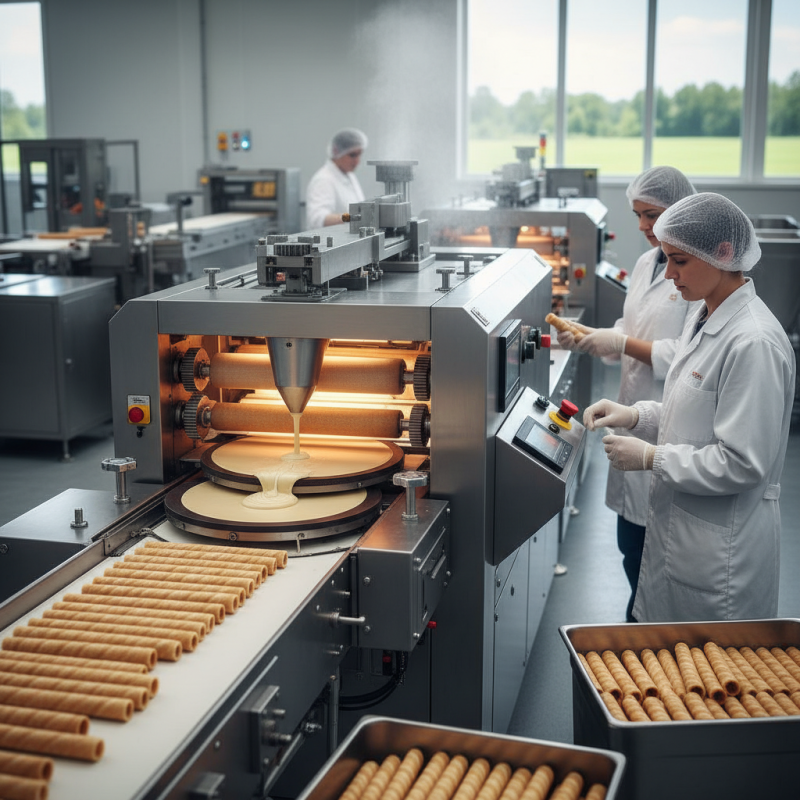
In operation, the Wafer Roll Machine combines heat, time, and precision. The batter is poured onto heated plates, which then bake it to perfection. Once cooked, the soft wafers are rolled into shape. This process requires attention to detail to ensure quality and consistency.
While the technology is remarkable, it isn’t without challenges. Operators must keep a close eye on temperature and batter consistency. Any mistake can result in subpar products. The Wafer Roll Machine, though efficient, still requires human oversight to achieve optimal results. Balancing automation and craftsmanship is key in this industry.
What is a Wafer Roll Machine? Definition and Overview
A wafer roll machine is key in the snack production industry. It produces thin, crispy wafers rolled into tubes. These treats are popular worldwide, often filled with sweet creams or chocolates. Understanding how this machine works can improve production efficiency and quality.
In essence, the machine includes several components. It consists of heating elements that cook the wafer batter. Once cooked, the batter is shaped and rolled into its final form. Operators must regularly clean the machine. Keeping it in top shape ensures consistent product quality.
**Tip:** Monitor the temperature closely. Too high or too low can impact the wafer's texture. Additionally, experiment with different batters for unique flavors. Creativity can lead to exciting new products. Ultimately, learning from mistakes helps refine the process. Don't be discouraged by imperfect batches; they can offer valuable insights.
What is a Wafer Roll Machine and How Does It Work?
| Feature | Description |
| Machine Type | Continuous Wafer Roll Machine |
| Production Capacity | Up to 200 kg/hr of wafer rolls |
| Main Components | Mixing chamber, baking conveyor, cooling section, and cutting station |
| Power Requirement | Approximately 15 kW |
| Dimensions | Length: 5 m, Width: 2 m, Height: 1.5 m |
| Material Used | Food grade stainless steel |
| Application | Production of wafer rolls for desserts and snacks |
Key Components of a Wafer Roll Machine: Mechanics and Functionality
A wafer roll machine is an intricate device designed to create thin, crispy wafer rolls. Understanding its key components helps in appreciating how it functions efficiently. The primary elements include the heating system, mixing bowl, and the forming unit. Each part plays a vital role in creating the perfect texture and flavor of the wafer.
The heating system uses controlled temperatures to cook the batter evenly. This ensures that the wafers achieve a golden-brown color. The mixing bowl blends ingredients thoroughly, allowing for consistency in every batch. Additionally, the forming unit shapes the cookie dough into rolls. The process requires precision and timing, which can sometimes lead to less than perfect results. Minor adjustments may be needed to avoid uneven thickness or brittleness.
Operators must monitor the machine closely to ensure quality. Overheating can ruin the texture, while undercooking affects taste. Regular maintenance is crucial to keep every component functioning well. A well-tuned wafer roll machine can produce hours of tasty treats, but mistakes can happen. Learning from these mishaps benefits future production efforts.
Process of Wafer Production: Step-by-Step Breakdown
The wafer production process involves multiple steps to create the crispy, thin treats many enjoy. It begins with mixing ingredients like flour, water, and sugar. The right batter consistency is crucial. Too thick or too thin can ruin the final product.
After mixing, the batter is poured onto a heated surface. This is where the magic begins. The temperature and timing have to be just right. Overcooking can lead to dark, bitter wafers. Under-cooking results in a chewy texture that doesn’t appeal to everyone.
Once cooked, the wafers are carefully rolled into a cylindrical shape using a wafer roll machine. This machine must apply the right amount of pressure. Too much pressure can crush the delicate wafers, while too little results in loose rolls. After rolling, they are cooled and prepared for packaging. Each step requires precise attention to detail. Inconsistent results force producers to rethink their methods. It’s a delicate balance of science and art.
Industry Applications of Wafer Roll Machines: Markets and Demand
Wafer roll machines are gaining traction in various sectors. Their versatility enables the production of thin, crisp wafers used in snacks, desserts, and even ice cream cones. The global wafer market is expected to reach $5.12 billion by 2025. The demand drives innovations in these machines, enhancing efficiency and product quality.
Food manufacturers are particularly interested in wafer roll machines. They enhance production speed while maintaining texture. In the snack industry, more than 60% of companies aim to introduce healthier options. Wafer roll machines offer quick adaptation to new recipes, making them invaluable. Emerging markets in Asia and South America also contribute to this growth.
Despite advancements, challenges remain. Equipment costs can deter small business owners. Some operators face a steep learning curve. Efficiency is not always guaranteed with every batch produced. Businesses must continuously adapt to market trends and consumer preferences to stay competitive.
Efficiency Metrics: Productivity and Cost Analysis in Wafer Production
Efficiency in wafer production hinges on two key factors: productivity and cost. A wafer roll machine transforms raw ingredients into delicate wafers through a systematic process. The machine presses and shapes the material, influencing the final quality and yield. Optimal machine settings can enhance output, but deviations can lead to waste.
Productivity metrics measure the number of wafers produced per hour. High-speed machines can achieve impressive rates, but it's vital to balance speed with quality. Operators often face challenges in maintaining consistency. A slight variation in the dough mix can result in different textures. This variability necessitates constant monitoring and adjustments.
Cost analysis provides insight into overall efficiency. Material costs play a significant role in determining profit margins. If ingredient prices rise, they impact production expenses. Additionally, energy consumption during the process can escalate costs. Finding a balance between efficiency and expenditure remains an ongoing challenge. The quest for increased productivity must also consider sustainability and waste reduction.
Wafer Production Efficiency Metrics
This chart represents the productivity of different wafer roll machines measured by the number of production units they can generate per hour. Machine B shows the highest productivity, indicating it may have the best efficiency metrics in the production process.