Top Stainless Cable Types for Global Buyers?
Global buyers are examining stainless cable more carefully as lifting, marine, architectural, and industrial projects demand longer service life. The Freedonia Group identifies construction, mining, and material handling as important wire-rope demand sectors. Grand View Research also reports continuing growth in the broader stainless steel market, supported by infrastructure and manufacturing investment. Exact figures vary between reports because analysts define “wire rope” and “stainless cable” differently. That distinction matters.
For buyers, cable type should match the environment, load, flexibility, and inspection routine. 304 stainless cable remains common for general indoor and architectural applications. 316 stainless cable offers stronger resistance to salt exposure, chlorides, and coastal corrosion. Compact strand designs can provide higher strength, while smaller constructions often improve flexibility around sheaves and fittings. The best choice is rarely the cheapest reel.
Wire-rope specialist W. J. O’Brien wrote, “A wire rope is a machine, and should be treated as such.” This principle remains practical today. A cable includes wires, strands, core construction, end fittings, and installation conditions. One weak selection can reduce the whole assembly’s reliability.
This guide compares the top stainless cable types for global buyers, including 1x19, 7x7, and 7x19 constructions. It considers strength, flexibility, corrosion exposure, certification, and total ownership cost. Buyers should still verify test certificates, diameter tolerances, breaking loads, and fitting compatibility. Marketing language can sound convincing. Site conditions are less forgiving.
Stainless Steel Cable: Definition, Structure, and Key Properties
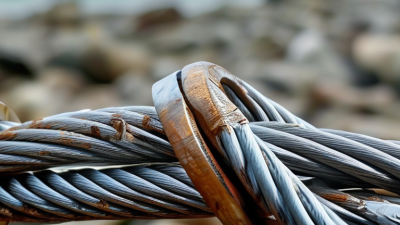
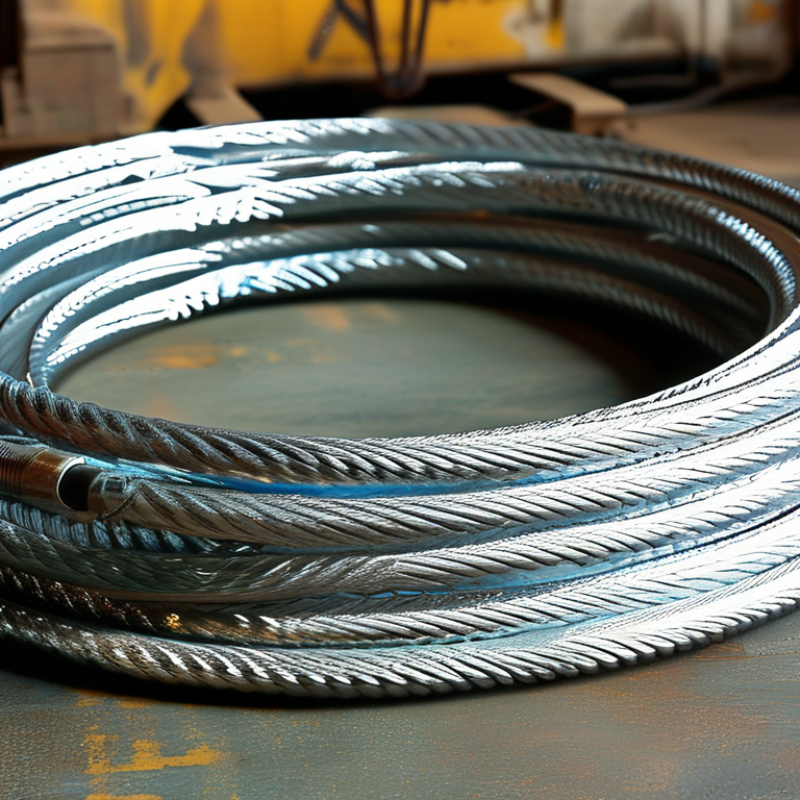
A stainless steel cable is a flexible load-bearing product made from corrosion-resistant metal wires. Individual wires twist into strands, and strands form the cable around a central core. This structure balances strength, flexibility, and resistance to bending. Common constructions include 1x19, 7x7, and 7x19. A 1x19 cable is stiff and dimensionally stable, while 7x19 bends more easily around pulleys. The right design depends on movement, load, installation space, and exposure conditions.
Material selection matters. Grade 304 stainless steel suits many indoor and mildly humid environments. Grade 316 offers stronger resistance to salt, chlorides, and coastal exposure. However, no stainless cable is completely corrosion-proof. Tiny surface contamination, trapped moisture, or poor drainage can still create stains and localized damage. That detail is often underestimated. Tensile strength, breaking load, fatigue performance, and surface finish should be checked against the intended application, not chosen from appearance alone.
Global buyers should request clear specifications, including diameter tolerance, cable construction, material grade, breaking load, and test documentation. Examine the cable for flattened areas, broken wires, uneven lay, or rough surfaces. These defects may appear small but can reduce service reliability. Installation hardware must also match the cable diameter and construction. In practice, a technically strong cable can perform poorly with incorrect clips or excessive bending. Selection is not always perfect; conditions may change after installation, so inspection plans deserve equal attention.
Main Stainless Cable Types and Their Construction Methods
For global buyers, stainless steel cable selection starts with construction, not appearance. Each cable is formed from individual wires, grouped into strands, then twisted around a core. A 1x7 cable contains seven wires in one strand. It is stiff and holds a straight line well. A 1x19 construction uses more wires, creating a smooth, firm cable for bracing and architectural work. It bends poorly around small pulleys.
A 7x7 cable combines seven strands around a central core. This design offers useful flexibility without becoming excessively soft. The 7x19 type adds more wires and bends more easily around pulleys. However, its many contact points require careful inspection. Braided stainless cable uses crossing wire carriers rather than conventional twisted strands. It feels flexible in the hand and suits guard systems, decorative structures, and light-duty movement. Appearance can mislead.
Manufacturing also affects performance. Wire drawing controls diameter and surface consistency. Stranding determines how evenly the wires share tension. Swaging compresses cable ends around fittings, while mechanical sleeves depend on correct sizing and pressing. Stainless grades such as 304 and 316 are common choices. Grade 316 generally offers better resistance in marine or salt-rich environments, but it is not immune to staining. I would always check cable diameter, lay direction, breaking load, bend radius, and termination compatibility. A clean specification sheet helps, yet site conditions often reveal assumptions that the drawing missed.
Stainless Steel Grades and Their Corrosion Resistance
Top Stainless Cable Types for Global Buyers?
Stainless Steel Grades and Their Corrosion Resistance
For cable assemblies, stainless steel grade often matters more than cable diameter. Type 304 performs well indoors, in dry warehouses, and in mild outdoor climates. It provides reliable corrosion resistance at a reasonable cost. However, salt spray can create brown surface stains around ferrules and threaded fittings.
Type 316 contains molybdenum, which improves resistance to chlorides and coastal moisture. It suits marine equipment, food-processing areas, and roads treated with deicing salt. Type 316L has lower carbon content, helping reduce corrosion near welded connections. This matters when terminals face repeated washing, condensation, or chemical residue. No stainless grade is rust-proof.
In practical inspections, crevices often corrode before the cable itself. Trapped water is the quiet problem. Buyers should check surface finish, cable construction, terminal material, and cleaning conditions together. A polished cable may resist staining better than a rough one, but appearance does not prove long-term performance. Galvanic corrosion can also occur when stainless cable contacts aluminum or carbon steel in wet conditions. Many buyers choose 316 automatically, yet that choice can be excessive indoors and insufficient in warm, stagnant seawater. I would question the environment before approving the specification. Independent salt-spray data and traceable material certificates provide stronger evidence than a grade label alone.
How to Select Stainless Cable for Different Global Applications
Selecting stainless cable globally starts with the environment, not the catalog photograph.
The International Stainless Steel Forum’s 2024 statistics reported about 58.4 million tonnes of global stainless crude steel production in 2023. That scale reflects demand, but it does not make every alloy suitable for every site.
ISO 9223 rates atmospheric corrosivity from C1 to CX. A coastal handrail, food-processing line, and indoor display need different corrosion margins.
Record salt exposure, cleaning chemicals, temperature, and service life before choosing cable.
For static bracing, 1x7 and 1x19 constructions offer stiffness and predictable dimensions. They suit guardrails, suspended signs, and architectural tension lines.
For repeated bending, 7x7 or 7x19 constructions provide greater flexibility. They fit doors, light lifting systems, and routed control lines.
Check minimum breaking force, working load, fatigue behavior, and end-fitting efficiency together.
Measure the bend.
A cable can meet its tensile rating yet fail early at a sharp saddle. Practical installation records matter here.
Material selection should match exposure and compliance evidence. Type 316 generally resists chlorides better than Type 304, but contamination and crevices can change expectations.
Duplex grades may help in harsher chloride service, though fabrication and availability require specialist review.
ASTM A580 covers stainless steel wire requirements, while ISO 2408 addresses steel wire rope classification and testing.
Request heat traceability, test certificates, corrosion assumptions, and batch dimensions.
“Marine grade” sounds precise, but it is not.
Define the chloride conditions.