China Top Run Capacitor Suppliers for Global Buyers?
Choosing reliable China Run Capacitor suppliers requires more than comparing catalog prices. Global buyers must examine electrical performance, production consistency, documentation, and after-sales support. A capacitor may look identical in photographs, yet its materials and testing process can differ significantly.
Experienced sourcing teams usually review capacitance tolerance, rated voltage, frequency, operating temperature, safety features, and expected service life. They also request sample units before placing large orders. Factory audits can reveal winding equipment, automated sealing lines, aging-test rooms, and storage conditions. These details often explain why one supplier performs better in field applications. Certification documents should be checked against the actual model, not accepted as general proof.
This guide explores leading Chinese suppliers for air-conditioner motors, refrigeration equipment, pumps, fans, and other applications. It focuses on manufacturers with practical export experience, traceable quality systems, responsive communication, and flexible customization. Production capacity matters, but it should not replace technical verification. A large factory is not automatically the best match.
Some supplier information changes quickly. Product ranges, certificates, and lead times require direct confirmation. That is an unavoidable limitation. Buyers should verify current test reports, packing methods, warranty terms, and compliance requirements before purchasing. Small details matter. A poorly protected terminal or unclear marking can create problems after delivery. With careful comparison, global buyers can reduce sourcing risk and identify a Run Capacitor partner suited to their equipment, market, and long-term service expectations.
What Run Capacitors Are and Why They Matter
What Run Capacitors Are and Why They Matter
A run capacitor stays connected while a single-phase motor operates. It creates a phase shift between windings, helping the motor produce smoother torque. Think of it as a small electrical reservoir beside the motor. Its microfarad rating, voltage rating, tolerance, and temperature class must match the application. A wrong value can cause humming, overheating, weak starting, or premature winding damage.
The International Energy Agency estimates that electric motor systems consume roughly 46% of global electricity. Even modest efficiency losses therefore matter across pumps, fans, compressors, and air-conditioning units. Industry testing under IEC 60252-1 commonly checks capacitance, endurance, insulation, and safety performance. In practical inspections, technicians should measure capacitance after isolating and discharging the component. A 40 µF capacitor reading near 30 µF deserves attention, even if the motor still runs.
Not every failure is dramatic. A swollen case, oil leakage, cracked terminal, or unusual motor noise can appear first. Temperature is often overlooked. Many capacitors operate near hot compressors, where repeated thermal cycling accelerates aging. Market research reports from Grand View Research identify rising demand for energy-efficient motor components through the decade, but market forecasts are not field guarantees. Selection still depends on duty cycle, ambient temperature, mounting space, and local compliance requirements. A supplier can provide a datasheet; installers must verify the real operating conditions.
How China’s Run Capacitor Supply Market Is Structured
China Top Run Capacitor Suppliers for Global Buyers?
How China’s Run Capacitor Supply Market Is Structured
China’s run capacitor supply market is less centralized than many overseas buyers expect. Large manufacturers often produce metallized polypropylene film, assemble aluminum cans, and control final testing in one facility. Smaller factories usually specialize in winding, assembly, or private-label production. Around these plants, trading companies handle documentation, mixed orders, and communication for buyers with limited technical staff.
Supply clusters tend to grow around electrical-component and appliance-manufacturing regions. This shortens transport between film suppliers, stamping workshops, terminals, and testing laboratories. It also creates price pressure. A low quotation, however, may reflect thinner film, weaker impregnation control, or simplified inspection. Buyers should compare capacitance tolerance, rated voltage, operating temperature, loss angle, discharge performance, and expected life. Samples must be tested after heat exposure, vibration, and repeated voltage cycles. Certificates help, but they do not replace batch-level evidence.
The market has real manufacturing depth, yet its structure can be difficult to read from a catalog. Factory visits, production photos, serial records, and independent test reports reveal more than polished sales language. Buyers should verify whether the quoted factory makes the capacitor or only resells it. That distinction matters. Some suppliers respond quickly but struggle with custom terminals, export packaging, or stable monthly output. This is where careful buyers may need to slow down. Even experienced teams can overvalue a low first-order price and overlook replacement costs.
Key Manufacturing Strengths of Leading Chinese Suppliers
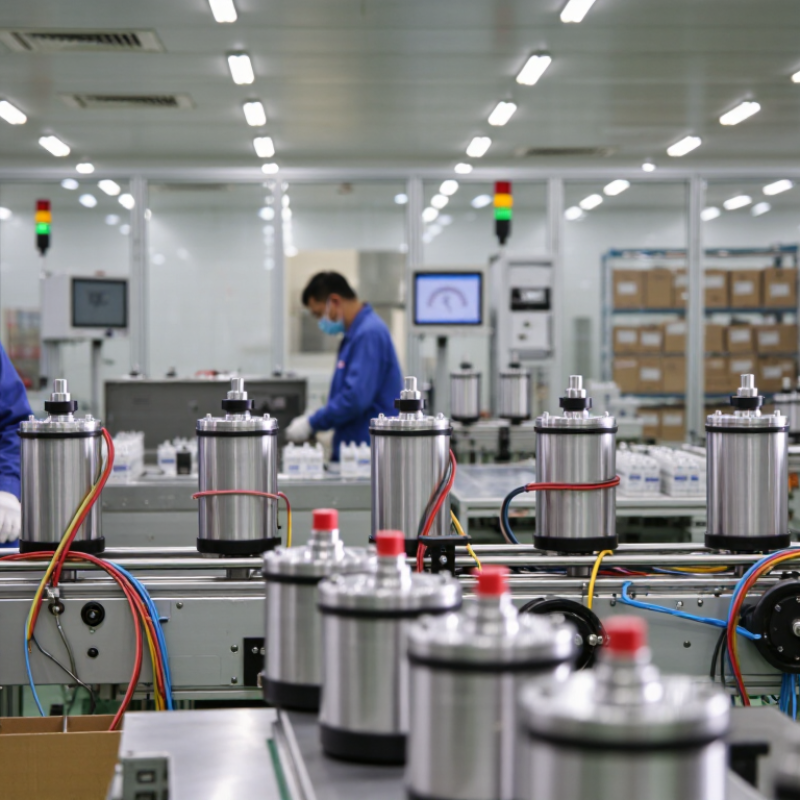
Chinese run capacitor suppliers have built strong manufacturing systems for global buyers. Their strength often begins with integrated production, from metallized film processing to winding, assembly, and final inspection. This reduces handling between factories and supports more consistent capacitor performance.
Many leading manufacturers use automated winding equipment and controlled resin filling lines. These processes help maintain stable capacitance, insulation, and heat resistance. Production teams commonly test voltage endurance, capacitance tolerance, sealing quality, and temperature performance. Some facilities also use aging tests that simulate long operating hours. This matters in air conditioners, pumps, fans, and compressors. However, automation is not everything. Poor material storage or rushed inspection can still create weak points.
Tips: Ask for recent test records, material specifications, and sample data before placing a large order. Check whether the supplier can explain failure rates, not only pass rates. Confirm operating temperature, safety protection, terminal design, and packaging details. A factory may offer attractive pricing, yet unclear traceability deserves caution.
Leading Chinese suppliers also benefit from a broad electrical component supply chain. They can often adjust capacitance ranges, case dimensions, terminals, and labeling for different equipment designs. Export experience supports documentation, batch control, and container planning. Still, buyers should avoid relying on factory claims alone. Independent sample testing remains useful, especially when capacitors will face vibration, humidity, or frequent starts. Small production differences can become expensive after installation.
Quality Standards and Certifications Global Buyers Should Check
For global buyers, a run capacitor supplier should be judged by evidence, not catalog claims. Request certificates for the exact model, voltage, capacitance, and production site. IEC 60252-1 is a key reference for motor capacitors. Depending on the destination market, buyers may also require UL 810 or equivalent safety approval. Check the certificate number, issuing body, validity, and covered product range. A certificate for one series may not cover another.
Look closely at the technical file. It should state capacitance tolerance, rated voltage, frequency, operating temperature, loss angle, and expected endurance. Ask for recent test reports, not only scanned certificates. Factory quality systems such as ISO 9001 can support process control, but they do not replace product safety certification. RoHS and REACH declarations may also be necessary for particular markets. Confirm that the declarations match the materials used in the current production batch.
A practical supplier audit should include label checks, terminal inspection, sealing quality, and sample testing after heat exposure. Measure capacitance before and after endurance testing. Small details matter. Traceability is essential. Lot numbers should connect the finished capacitor to raw materials, test records, and operators. Some suppliers provide impressive documents but weak follow-up data. That gap deserves attention. No audit is perfect, and buyers can miss hidden process changes. Independent laboratory testing and periodic requalification reduce this risk, especially when capacitors operate inside hot compressors or outdoor equipment.
How to Compare and Select the Right Chinese Supplier
Choosing Chinese run capacitor suppliers requires more than comparing quoted prices. Start with the application. Confirm capacitance, rated voltage, frequency, temperature range, insulation class, and expected operating life. Ask for datasheets, routine test records, and samples from the same production line. A polished sample can mislead. Test it under your actual load and ambient conditions. Check capacitance drift after heat exposure, vibration, and repeated start cycles.
Supplier comparison should include manufacturing depth. Review winding equipment, sealing methods, raw-material controls, and final inspection points. Request traceability from film batch to finished unit. Independent certification may support market access, but certificates must match the exact model and factory. Verify issuing bodies and validity. A factory visit, video audit, or third-party inspection can reveal storage and cleanliness problems. Do not rely on photographs alone.
Commercial terms also affect reliability. Compare minimum order quantities, tooling charges, lead times, packaging strength, warranty handling, and replacement procedures. Ask how quality complaints are investigated, not merely how quickly they are answered. Clear engineering communication matters when drawings change or tolerances need clarification. I would score technical evidence, process control, and response quality separately. Price still matters. It should not hide weak testing or unstable supply. One useful correction to my own sourcing habits is simple: never approve a supplier after one successful sample. Repeat batches can expose variation that the first inspection misses.