Top 10 Cable Railing Tips for a Stunning and Safe Deck or Balcony Design
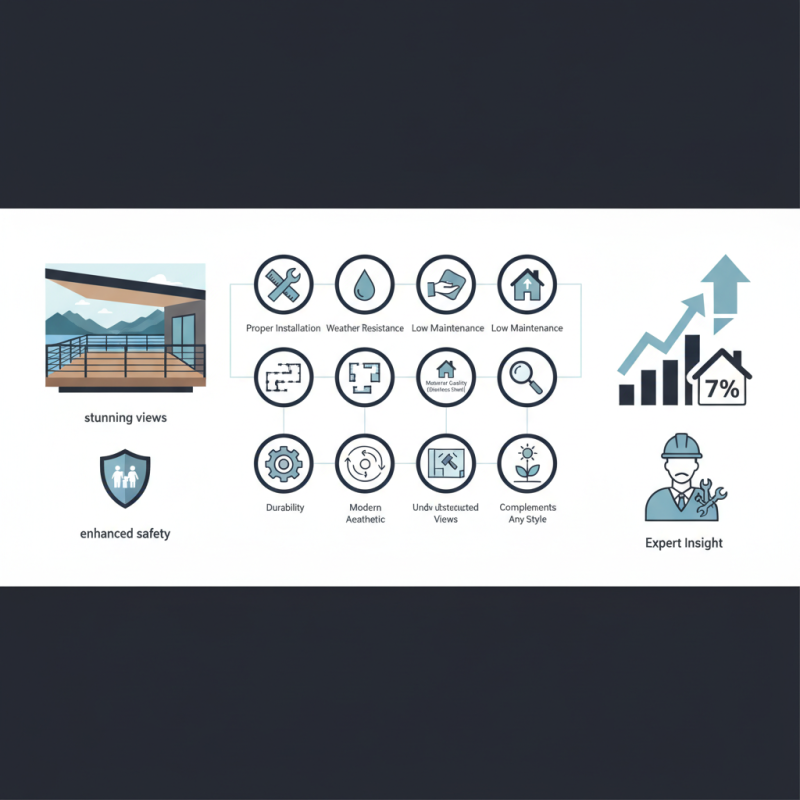
When it comes to enhancing both the aesthetic appeal and safety of outdoor spaces, "cable railing" has emerged as a preferred choice among homeowners and designers alike. According to a recent report from the National Association of Home Builders, the installation of cable railings can increase a home's value by as much as 7% due to their modern look and durability. With the growing popularity of open-concept designs and spacious outdoor areas, these railings offer unobstructed views while maintaining safety, which is vital for decks and balconies.
Expert in outdoor design, John Anderson, emphasizes the importance of proper installation: "A well-installed cable railing not only adds beauty but also ensures the safety of your family and guests." With cable railings being constructed from high-quality stainless steel and other resilient materials, they are increasingly recognized for their longevity and minimal maintenance requirements. As homeowners consider aesthetic upgrades to their outdoor spaces, understanding key tips and techniques for incorporating cable railing can lead to a stunning and secure deck or balcony design that complements any architectural style.
Understanding Cable Railing: Benefits and Applications for Decks
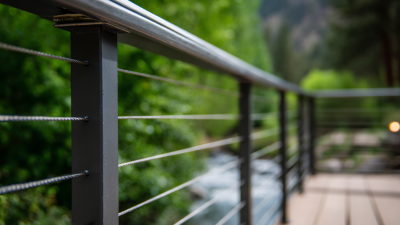
When it comes to designing a deck or balcony, cable railing emerges as an attractive and practical option. One of the primary benefits of cable railing is its unobstructed view, which allows homeowners to enjoy the scenic beauty surrounding their outdoor spaces. This makes it particularly popular in homes situated near water bodies, mountains, or lush landscapes. Besides aesthetics, cable railing is inherently durable, offering resistance against weathering and rust, making it an ideal choice for various climates.
Another significant application of cable railing lies in its safety features. The tight spacing of the cables ensures that children and pets cannot easily slip through, providing peace of mind for families. Additionally, cable railing systems are designed to meet safety codes, giving homeowners assurance that they comply with local regulations. With its combination of visual appeal and functional safety, cable railing serves as a versatile solution for decking or balcony areas, ultimately enhancing outdoor living experiences while prioritizing protection.
Choosing the Right Cable Material: Stainless Steel vs. Other Options
When selecting the right cable material for your deck or balcony railing,
stainless steel
stands out as a premium choice due to its durability and aesthetic appeal.
Unlike other options, such as vinyl or
aluminum, stainless steel offers superior resistance to
corrosion and rust, making it an ideal material for outdoor environments.
Its sleek and modern appearance not only complements contemporary designs but also enhances the overall
elegance of any outdoor space.
On the other hand, while materials like vinyl may have lower upfront costs,
they often lack the long-term durability and strength of stainless steel.
Vinyl railings can fade, crack, or warp over time, especially when exposed to harsh weather conditions.
Aluminum is another alternative that provides strength but
can be susceptible to dents and scratches. In contrast, choosing stainless steel cable railings ensures a
secure and stylish
solution that maintains its visual charm and structural integrity for years to come,
providing peace of mind for homeowners looking to create both a stunning and safe outdoor area.
Design Considerations: Integrating Cable Railing with Deck Aesthetics
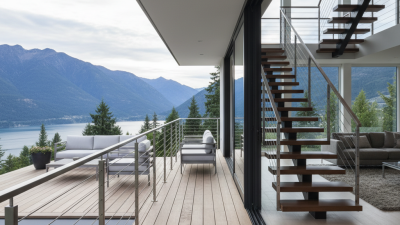
When integrating cable railing into deck aesthetics, it's essential to consider both functionality and design. Cable railings provide an unobstructed view, enhancing the overall spatial quality of a deck or balcony. To achieve a seamless look, choose cable materials that harmonize with existing elements. For example, if your deck features wooden components, consider opting for cable railings with sleek metal posts that balance the warmth of wood with a modern touch. This combination not only maintains sightlines but also adds a sophisticated edge to the design.
Color coordination and finishes play a pivotal role in achieving visual cohesion. Select cable railings that complement the color scheme of your deck materials. Neutral-toned cables can create a clean, contemporary look, whereas darker finishes can add depth and contrast. Additionally, incorporating design elements such as planters, lighting, or furniture that echo the railing's style can enhance the overall aesthetic. Thoughtful integration ensures that cable railings do not merely act as safety features but also contribute to a polished and inviting outdoor atmosphere.
Safety Standards: Ensuring Code Compliance for Cable Rail Installations
When it comes to cable rail installations, ensuring safety and compliance with local building codes is paramount. A report by the International Code Council (ICC) indicates that approximately 30% of deck-related injuries are linked to inadequate railing systems that fail to meet safety standards. Conducting a thorough understanding of the regional codes, which often mandate specific heights and structural integrity for railings, is crucial. For instance, many jurisdictions require railings to be a minimum of 36 inches high to effectively prevent falls, especially in residential settings where children may be present.
Additionally, adhering to the safety standards outlined in the American National Standards Institute (ANSI) recommendations is vital for any cable railing project. These standards suggest that cable spacing should not exceed 3 inches, ensuring that children cannot pass through or climb the railing system. The Cable Railing Manufacturers Association (CRMA) highlights that compliance with these specifications can significantly enhance the safety of cable railings, helping to minimize the risk of accidents. Before beginning installation, it is advisable for homeowners and contractors to consult local regulations and industry guidelines to ensure that the design is both aesthetically pleasing and safe for use.
Top 10 Cable Railing Tips for a Stunning and Safe Deck or Balcony Design
Maintenance Tips: Keeping Your Cable Railing in Top Condition
Maintaining your cable railing is crucial for ensuring both safety and aesthetic appeal. Regular inspections should be part of your routine; check for signs of rust, wear, or loose cables. It's essential to keep the hardware secure and tight, as any looseness can compromise the structure's integrity. Cleaning the cables with mild soap and water can prevent buildup of grime and maintain their appearance. Avoid harsh chemicals that could damage the finish or the surrounding materials.
In addition to regular cleaning, considering the environment is important. For instance, if your deck or balcony is exposed to harsh weather conditions, you may need to implement protective measures such as applying a sealant to combat moisture and corrosion. Seasonal checks can help identify any issues caused by temperature fluctuations, such as expansion or contraction of materials. By staying proactive with maintenance, you can extend the lifespan of your cable railing and keep your outdoor space looking stunning for years to come.