Top 2025 Cable Railing Systems for Decks: Benefits and Installation Tips
As outdoor living spaces continue to gain popularity, homeowners are increasingly seeking stylish and functional enhancements for their decks. Among the top choices in deck safety and aesthetics, cable railing systems for decks have emerged as a preferred option. These systems not only provide unobstructed views of the surroundings but also adhere to safety standards, making them a practical choice for various deck designs. The sleek lines and minimalist profiles of cable railings complement both modern and traditional aesthetics, blending seamlessly with the natural elements of any outdoor setting.
Installing cable railing systems for decks can also be a straightforward process, allowing homeowners to embrace DIY projects while adding value to their property. By understanding the benefits and installation tips shared in this article, you will be equipped to make informed decisions regarding the design and implementation of cable railings. Whether you are building a new deck or upgrading an existing one, exploring these systems can lead to a safer and more visually appealing outdoor environment. Dive in to discover the top cable railing options available for 2025, ensuring your deck remains both stylish and secure for years to come.

Benefits of Cable Railing Systems for Decks
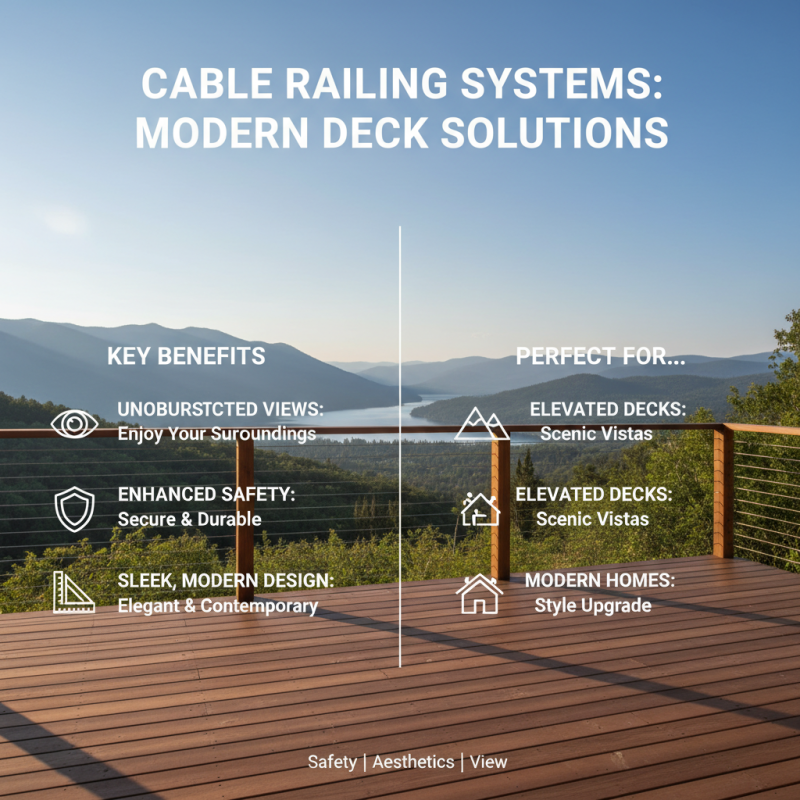
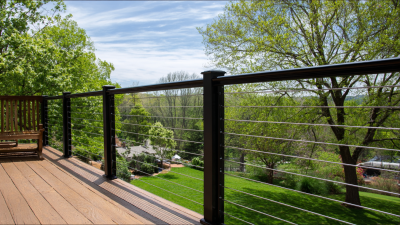
Cable railing systems have gained popularity for decks due to their seamless blend of safety and aesthetics. One of their primary benefits is the unobstructed views they provide, allowing homeowners to enjoy their surroundings without the distraction of traditional bulky railing materials. This feature is particularly appreciated in elevated spaces where scenic vistas are a focal point. The sleek design of cable railings contributes to a modern, elegant look that enhances the overall style of a deck.
Additionally, cable railing systems are known for their durability and low maintenance requirements. Constructed from weather-resistant materials, they withstand harsh environmental conditions while maintaining their integrity over time. This durability means that homeowners spend less time and money on maintenance, allowing them to enjoy their decks without the worry of frequent repairs or replacements. Moreover, the easy installation process makes cable railings a practical choice for both DIY enthusiasts and professionals alike, adding functional value to any outdoor living space.
Choosing the Right Cable Railing Materials
When selecting the right materials for cable railing systems, it’s essential to consider factors such as durability, aesthetics, and maintenance.
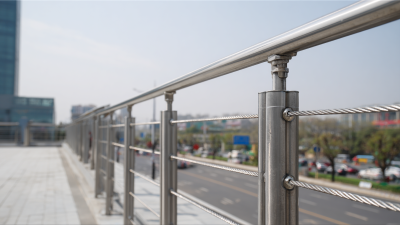
Stainless steel is a popular choice for many homeowners due to its strength and resistance to rust and corrosion. This makes it particularly suitable for outdoor environments,
where exposure to the elements can significantly affect other materials. Additionally, stainless steel provides a sleek, modern look that complements a variety of deck designs, enhancing the overall visual appeal.
Another option to consider is aluminum, which offers a lightweight alternative without sacrificing structural integrity.
Aluminum railings can be powder-coated in a range of colors, allowing for greater customization and alignment with your design vision.
While it may not be as robust as stainless steel, it's a cost-effective solution that can still withstand outdoor conditions if properly maintained.
Lastly, wood infill combined with cable is also a viable option for those looking to create a warm, traditional aesthetic.
Using pressure-treated or naturally rot-resistant wood can ensure longevity and reduce the frequency of maintenance required, making it a practical choice for many homeowners.
Step-by-Step Installation Process for Cable Railings
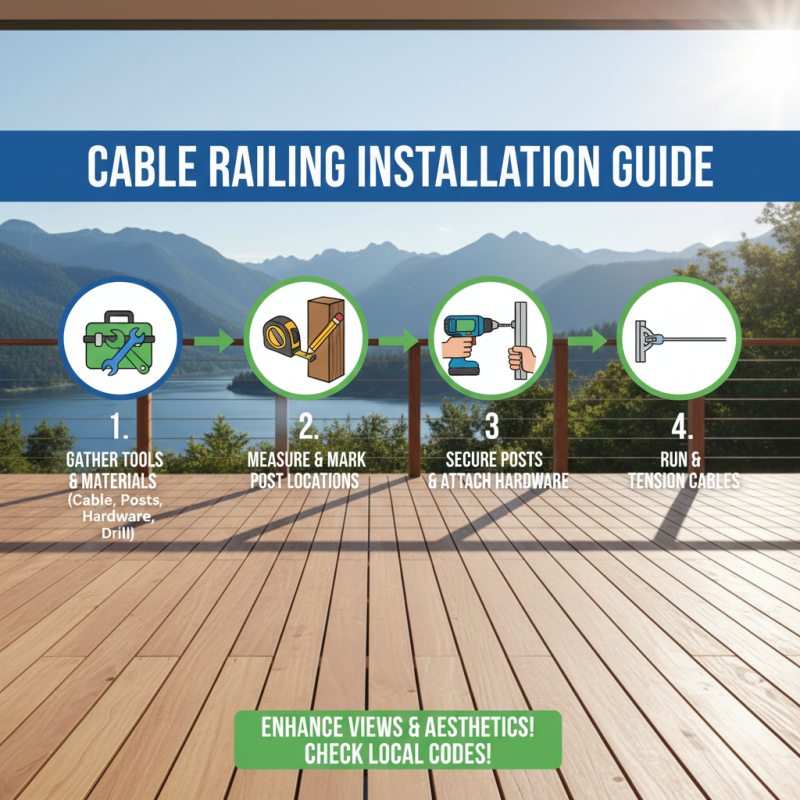
Installing cable railings on your deck not only enhances its aesthetic appeal but also provides an unobstructed view of your surroundings. To ensure a successful installation, start by gathering all necessary tools and materials, which typically include cable, posts, tensioning hardware, and a drill. First, measure and mark the locations for the posts, ensuring they are evenly spaced according to your design preferences and local building codes.
Next, secure the posts firmly into the ground or existing structure using concrete or appropriate anchors. Once the posts are in place, begin running the cable through the designated post holes, keeping tension in mind as you work. Utilize a cable tensioning tool to adjust the cable tightness, which is crucial for both safety and aesthetics. Finish by installing any end caps or terminal fittings to ensure a polished look. Throughout the process, regularly check your progress against the installation guidelines to maintain safety and quality standards.
Maintenance Tips for Long-Lasting Cable Railings
Maintaining cable railings is essential to ensure their longevity and aesthetic appeal. Regular inspection is crucial; you should check for any loose cables or signs of rust, which can compromise the railing's strength and appearance. It is recommended to inspect the railings at least twice a year, paying special attention after extreme weather conditions. Tightening loose fittings and replacing any worn cables promptly will help prevent further damage and maintain safety standards.
Cleaning is another key aspect of maintenance. Use a mild soap solution and a soft cloth or sponge to wipe down the cables and posts. Avoid harsh chemicals, as they can damage the finish and the cables themselves. For stainless steel cable railings, occasional polishing can help resist corrosion and keep the surface looking new. Additionally, if your railings are installed in areas with high exposure to saltwater or humidity, consider using a protective sealant, which will add an extra layer of defense against the elements and extend the life of your cable systems.
Top 2025 Cable Railing Systems for Decks: Benefits and Installation Tips - Maintenance Tips for Long-Lasting Cable Railings
| System Type |
Material |
Installation Difficulty |
Maintaining Tips |
Expected Lifespan |
| Stainless Steel Cable Railing |
Stainless Steel |
Moderate |
Regular cleaning, check for rust |
25+ years |
| Vinyl Coated Cable Railing |
Vinyl and Steel |
Easy |
Wash with mild soap, avoid abrasive cleaners |
15-20 years |
| Aluminum Cable Railing |
Aluminum |
Moderate |
Inspect for scratches, apply touch-up paint |
20-30 years |
| Composite Cable Railing |
Composite Materials |
Easy |
Clean regularly, check for rot |
25+ years |
Design Considerations for Cable Railing Systems on Decks
When considering cable railing systems for decks, several design aspects must be taken into account to ensure both functionality and aesthetics. One of the primary considerations is the spacing of the cables. It is crucial to adhere to safety standards that dictate the maximum distance between cables to prevent accidental falls. A spacing of 3 inches or less is recommended to ensure compliance with safety regulations while maintaining an unobstructed view. Additionally, selecting the appropriate cable thickness is essential; thicker cables provide added durability and strength, ideal for high-traffic areas.
Another important design factor is the choice of materials for both the posts and cables. Stainless steel is a popular option due to its longevity and resistance to rust, making it suitable for outdoor environments. However, wood or composite materials can be used for posts to create a warm, natural aesthetic that complements the surrounding deck.
Additionally, thinking about the finishing options—such as powder coating or polishing—can enhance the overall look of the railing system while providing an extra layer of protection against the elements. Balancing these design considerations will result in a cohesive and visually appealing deck that prioritizes safety and durability.