Understanding 1 Pole Circuit Breaker Tips for Choosing the Right One?
Choosing the right 1 Pole Circuit Breaker is crucial for electrical safety. Circuit breakers prevent overloads and short circuits from causing damage. According to the National Electrical Manufacturers Association, improperly selected circuit breakers lead to safety issues in 30% of electrical installations.
When selecting a 1 Pole Circuit Breaker, it’s important to consider various factors. These include voltage ratings, current capacity, and specific application requirements. The right choice can prevent potential disasters. Many users overlook manufacturer specifications, which can lead to underperformance.
In homes and businesses, having reliable circuit protection directly impacts safety. A simple mistake in choosing a 1 Pole Circuit Breaker can result in costly repairs. Regular reviews and updates can improve overall electrical system reliability. Still, some find these assessments tedious, neglecting this essential task. Addressing these choices requires careful consideration and awareness of industry standards.
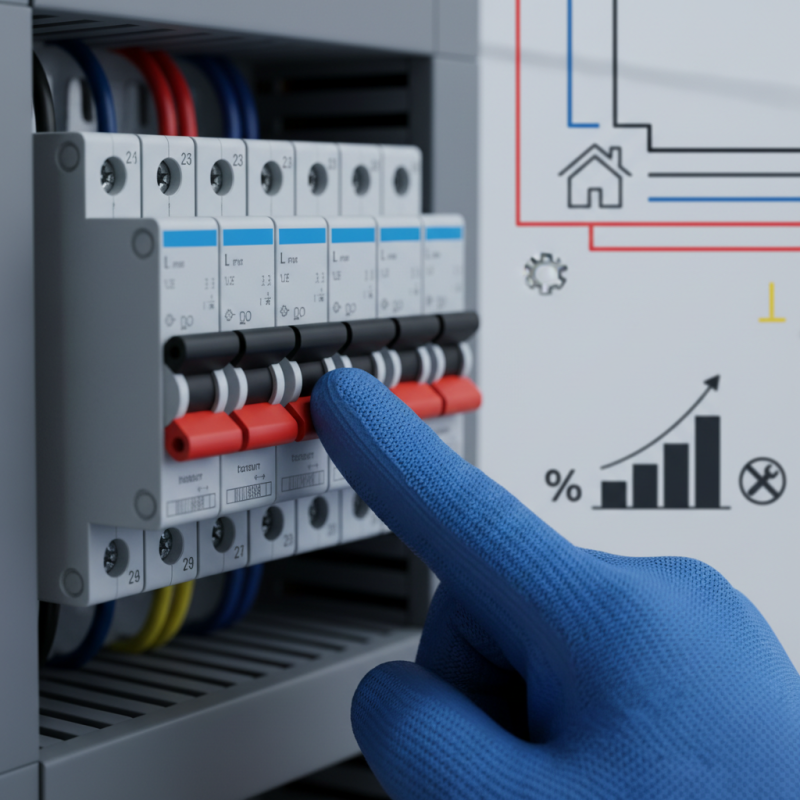
Understanding the Basics of 1 Pole Circuit Breakers and Their Functionality
When choosing a 1 pole circuit breaker, understanding its basics is crucial. A 1 pole circuit breaker is designed to protect single-phase circuits. It interrupts the current when it detects overloads or short circuits. This functionality helps prevent electrical hazards in homes or businesses. Knowing how it operates ensures better safety practices.
The construction of a 1 pole circuit breaker is relatively simple yet effective. It consists of a switch mechanism that can trip under fault conditions. The thermal mechanisms often use bimetallic strips. These strips bend as they heat up, opening the circuit. However, not every breaker is equally effective. Some may trip too late or not at all.
It's easy to overlook specifications. The amperage rating is essential. If it’s too high, the breaker won’t react to an overload. Too low, and it trips frequently, causing frustration. Additionally, installation requires accuracy. Incorrect wiring can lead to failure. A visual inspection of the breaker is also necessary. Signs of wear can indicate the need for replacement. Reflecting on these aspects can vastly improve your choice.
Understanding 1 Pole Circuit Breaker Tips for Choosing the Right One
| Feature | Importance | Recommended Ratings | Typical Applications |
| Amperage Rating | Crucial for determining load capacity | 10A, 15A, 20A, 30A | Residential lighting, small appliances |
| Voltage Rating | Ensures suitable voltage for safety | 120V, 240V | General household circuits |
| Trip Type | Determines the response to overloads | Thermal, Magnetic | Overcurrent protection |
| Mounting Style | Affects installation process | Plug-in, Panel-mounted | Distribution panels |
| Standard Compliance | Ensures safety and reliability | UL, IEC | All electrical applications |
Key Specifications to Consider When Choosing 1 Pole Circuit Breakers
Choosing the right 1 pole circuit breaker is crucial for any electrical system. One important aspect to consider is the amperage rating. This rating indicates the maximum current the breaker can handle before tripping. According to the National Electrical Code (NEC), the correct amperage is vital to prevent overheating. Not using the correct amperage can lead to failures or even fires.
Another key specification is the voltage rating. Common residential circuits use 120V, while some appliances may require 240V. A mismatch here can cause damage to equipment. Many industry reports suggest that improper voltage ratings account for a significant percentage of electrical malfunctions.
Additionally, consider the interrupting capacity. This spec shows how much short-circuit current a breaker can safely interrupt. Choosing a breaker with insufficient interrupting capacity can be dangerous. Research indicates that most electrical failures stem from inadequate protection. Therefore, careful selection of the right specifications is essential for safety and reliability.
Understanding 1 Pole Circuit Breaker Specifications
Comparing Different Ratings: Amperage and Voltage for Circuit Breakers
When choosing a 1 pole circuit breaker, it's essential to understand both amperage and voltage ratings. Amperage determines how much current can safely flow through without tripping. Higher amperage is suitable for heavy appliances, while lower amperage fits lighter loads. Always select a breaker that matches your application's needs. For example, a circuit for lights might require less amperage than one for an air conditioner.
Voltage ratings also play a critical role. A 120V breaker is ideal for standard home circuits. However, if your application involves higher voltage, like 240V, use an appropriate breaker. Using the wrong voltage rating can lead to dangerous situations. Being mindful of these factors can prevent costly mistakes.
Tips: Always check local codes. They may influence your decision. Don’t forget to consider future upgrades. A circuit that fits your current needs may not work in a few years. The more you know, the better you can prepare. Avoid rushing the selection process. Each circuit breaker has a purpose. Understanding that can lead to a safer home.
Safety Standards and Compliance for 1 Pole Circuit Breakers in the Industry
When selecting a 1 pole circuit breaker, understanding safety standards is vital. Compliance with National Electrical Code (NEC) is essential for any installation. According to industry reports, nearly 70% of electrical accidents result from improper circuit breaker installation. Ensuring adherence to these standards can prevent hazards.
The International Electrotechnical Commission (IEC) sets global standards for equipment safety, including circuit breakers. Data from the IEC shows that non-compliance can lead to electric shock risks, exposing users to danger. Most circuit breakers should meet UL 1077 certifications for optimal safety. Regularly checking for compliance can ensure that your breakers work effectively.
However, not all circuit breakers respond equally to faults. Some may trip inconsistently, which raises concerns about reliability. A report by the Electrical Safety Foundation International suggests that 30% of electrical fires occur due to failing breakers. This statistic highlights the importance of choosing high-quality breakers that adhere to industry safety benchmarks. Not all products on the market meet these requirements, so careful selection is essential.
Common Applications and Usage Scenarios for 1 Pole Circuit Breakers
1 pole circuit breakers are critical in various applications. These devices protect electrical circuits from overloads and short circuits. They are commonly used in residential settings, often installed in breaker panels to safeguard individual circuits. Homeowners frequently utilize them to protect essential appliances like refrigerators and HVAC systems.
In commercial settings, 1 pole circuit breakers are prevalent as well. They are often used to manage lighting and power outlets. According to industry reports, nearly 70% of all residential and commercial electrical circuits require a 1 pole breaker. This underscores their importance in ensuring electrical safety and compliance with regulations.
However, choosing the right one isn’t always straightforward. Users must consider several factors. The amperage rating must match the load requirements. If the circuit is regularly overloaded, it could lead to frequent tripping. This, in turn, may create inconveniences and potential safety hazards. Observing the specific requirements of the application is vital for selecting an appropriate breaker.