Essential Tips for Choosing Double Lock Cable Gland?
When selecting a Double Lock Cable Gland, several factors come into play. This component is crucial for ensuring the safety and integrity of electrical installations. A well-chosen cable gland can provide excellent strain relief and prevent moisture ingress. Choosing the wrong type can lead to serious issues, including equipment damage.
Many variables affect the performance of a Double Lock Cable Gland. Material compatibility, environmental factors, and application requirements are key considerations. These elements may seem straightforward but can become complex when faced with specific installation conditions. Sometimes, even experienced professionals overlook these details. This can lead to regretful choices.
Understanding the significance of proper installation is vital. A Double Lock Cable Gland offers enhanced sealing compared to standard options. However, if not installed correctly, these benefits may be lost. Continuous learning and cautious decision-making are essential for optimal usage. Evaluating all variables can lead to a more reliable and effective choice.
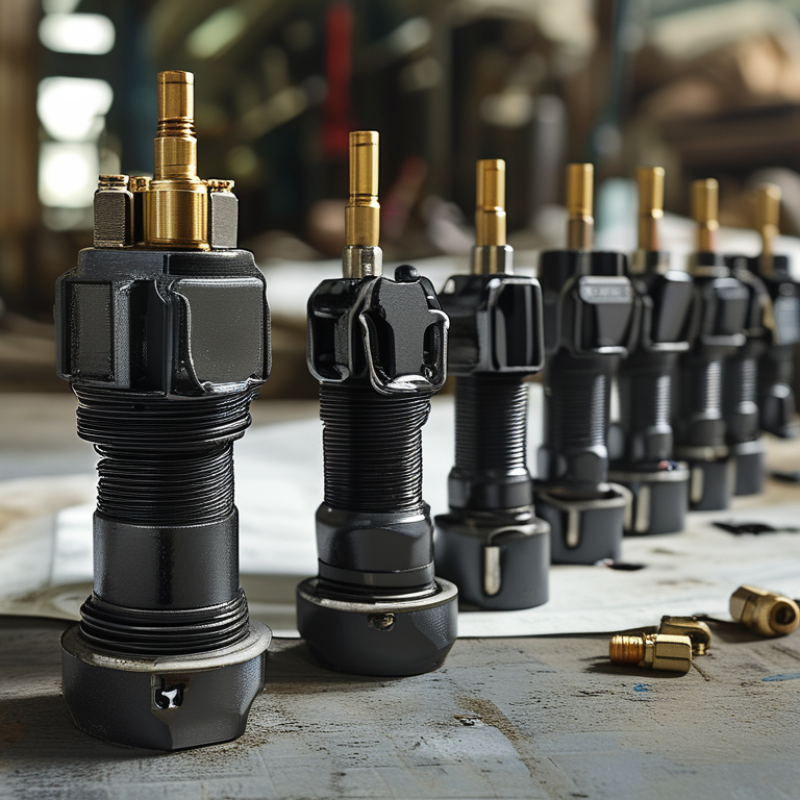
Understanding the Purpose of Double Lock Cable Glands
When selecting a double lock cable gland, understanding their purpose is crucial. These components secure electrical cables in various environments, preventing moisture and contaminants from compromising performance. According to industry reports, over 60% of electrical failures stem from inadequate sealing and protection. Thus, double lock cable glands can significantly enhance the reliability of your installations.
The design of double lock cable glands offers two layers of protection, which is vital for outdoor or hazardous applications. In areas exposed to extreme temperatures and harsh conditions, using these cable glands minimizes the risk of failures. Research shows that systems employing double lock mechanisms experience 40% fewer maintenance issues. The robust design caters to different cable sizes and ensures a tight fit, enhancing overall safety.
Choosing the right material is also critical. Many double lock cable glands come in various materials, such as plastic and metal. Each offers unique benefits, but it’s essential to assess the environment where they will be used. A mismatched material can lead to corrosion or failure over time. There are questions about how well these products work in high-stress situations. Thus, invest time in understanding the specific needs before deciding.
Key Features to Look for in Double Lock Cable Glands
When selecting double lock cable glands, understanding key features is crucial. A double lock cable gland ensures secure cable entry while providing enhanced protection against environmental factors. According to a report by the International Electrotechnical Commission (IEC), poor sealing can lead to connection failures in over 60% of installations. This highlights the importance of quality in design.
Look for materials that offer durability. Often, brass and nylon are used due to their strength and resistance to corrosion. The ingress protection (IP) rating is vital, as it indicates how well the glands will protect against dust and moisture. An IP68 rating is recommended for outdoor applications. Many industries experience costly downtimes from inadequate protection, with annual losses estimated at $50 billion globally due to equipment failure.
Consider the cable diameter range. A wide range allows flexibility in applications. Many technicians overlook the importance of proper tightening torque. Incorrect torquing can lead to mechanical failures. Review technical specifications meticulously. A poorly chosen cable gland can affect safety standards, sometimes without immediate visible consequences.
Essential Tips for Choosing Double Lock Cable Gland - Key Features to Look for in Double Lock Cable Glands
| Feature | Description | Importance |
| Material | Choose materials like brass or nylon for durability and resistance to corrosion. | High |
| Ingress Protection Rating | Ensure the gland has an IP rating suitable for the environmental conditions. | Critical |
| Cable Entry Size | Check compatibility with cable sizes to ensure a proper seal. | High |
| Locking Mechanism | Double locking ensures maximum security and reduces strain on cables. | Very High |
| Temperature Rating | Select glands that can withstand the temperature conditions where they will be installed. | Medium |
| Certification Standards | Look for compliance with relevant international and local standards. | High |
| Ease of Installation | Consider user-friendly design for quicker and safer installation. | Medium |
Factors Influencing the Selection of Cable Glands
Choosing the right double lock cable gland is crucial. Several factors influence this decision, impacting both safety and performance. One major consideration is the environmental conditions where the cable gland will be used. For instance, areas exposed to moisture or chemical exposure require glands that provide superior sealing. Understanding the environmental ratings can guide you in making the best choice.
Another important factor is the type of cable you are using. Different cables have various outer diameters and materials, which must match the gland specifications. The installation process also plays a role. It’s essential to ensure that the gland can be easily mounted and tightened without damaging the cable. Ensuring compatibility saves time and prevents costly errors during installation.
Finally, consider the application of the cables themselves. Certain industries may impose strict regulations regarding cable safety and performance. This can affect your selection process, especially in high-stakes environments like manufacturing or healthcare. Reflect on these details and assess your options carefully. An informed choice leads to reliability.
Common Materials Used in Double Lock Cable Glands
When selecting a double lock cable gland, the choice of materials is pivotal. Common materials used include polyamide, brass, and aluminum. Polyamide offers excellent resistance to chemicals and UV light. It is lightweight and often used in less demanding environments. Reports indicate that polyamide's resilience can contribute to a 15% increase in lifespan compared to lower-grade alternatives. However, high temperatures may affect its durability.
Brass is another staple in cable gland manufacturing. Brass provides superior strength and is widely recognized for its electrical conductivity. It can withstand harsh conditions, making it suitable for industrial applications. According to industry studies, brass cable glands can handle temperatures up to 150°C. However, they may corrode in salty or acidic environments. This limitation highlights the need for careful consideration of the operating environment.
Aluminum ranks high in terms of strength-to-weight ratio. It resists corrosion and is often anodized for additional protection. A study shows that aluminum cable glands can save up to 20% on energy costs in specific installations due to their lighter weight. Nonetheless, they can be pricier and may not suit all projects. Engineers must weigh the benefits against budget constraints when choosing materials.
Installation Guidelines for Double Lock Cable Glands
When installing double lock cable glands, precision is key. Begin by assessing the cable dimensions and the environmental conditions. The fitting should match the cable size precisely to ensure proper sealing. Use a cable with a suitable outer diameter. If it’s too small or too large, the gland will fail. This can lead to potential hazards in the installation area.
Next, secure the cable gland to the enclosure. A proper torque setting must be applied to avoid over-tightening. Over-tightening may cause damage to the cable and gland. Always use appropriate tools designed for this task. Ensure that the threads are clean and free from debris, which can affect the integrity of the seal. It’s crucial to check that the locking mechanism is fully engaged. If the lock feels loose or incomplete, re-evaluate the installation.
Finally, after installation, conducting a visual inspection is essential. Look for any signs of misalignment or damage. Even small issues can lead to significant failures over time. While experience helps, it’s important to acknowledge that mistakes happen. Learning from them is part of the process. Always document your installation steps for future references. This way, you can improve with each project.