What Are the Key Features of Transformer Substations?
Transformer Substations are vital in modern power distribution networks. They play a crucial role in transforming voltage levels, ensuring the efficient transmission of electricity. This transformation is essential for reducing energy losses and enhancing supply reliability. A typical transformer substation consists of transformers, circuit breakers, and protective devices.
The key features of transformer substations ensure safe and effective operational performance. Each component is designed to withstand high electrical stresses. For example, transformers are built with advanced insulation materials. These features help maintain system stability during peak demand periods. Understanding these elements is vital for professionals in the electrical industry.
However, not all transformer substations are created equal. Variations in design and technology can impact performance. Some substations may lack redundancy, making them vulnerable to failures. It is important to assess the reliability and efficiency of these systems regularly. By embracing ongoing evaluations, professionals can enhance the resilience of transformer substations.
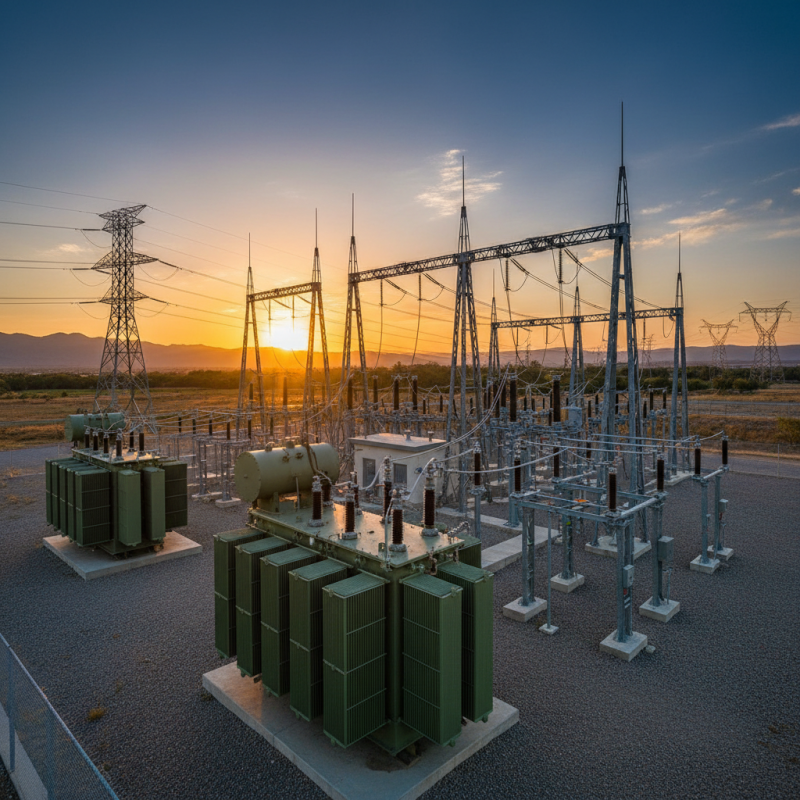
Key Functions of Transformer Substations in Power Distribution
Transformer substations play a vital role in power distribution. They help to convert high voltage electricity from transmission lines into lower voltage suitable for consumers. This process is crucial for safety and efficiency. Transformer substations manage energy flow and maintain the stability of the electric grid.
One key function of transformer substations is voltage regulation. They ensure that electricity remains at a consistent level. This prevents damage to electrical appliances and keeps the system reliable. The monitoring of load variations is another essential aspect. Sudden surges or drops in demand can destabilize the grid. Reliable substations respond promptly to these changes, enhancing system resilience.
While transformer substations are effective, they face challenges. Technological advances can outpace existing infrastructure. This creates vulnerabilities and demands constant upgrades. Moreover, maintenance schedules can sometimes be overlooked. This negligence may lead to equipment failures. Balancing innovation with reliability is a continuous struggle in the industry. Addressing these issues will be key for the future of power distribution.
Essential Components of Transformer Substations for Electrical Efficiency
Transformer substations play a crucial role in the efficiency of electrical systems. These facilities convert high-voltage electricity from the grid into lower voltage levels suitable for distribution. Key components include transformers, switchgear, and control systems. Each element has a unique function that enhances overall performance.
Transformers are vital for adjusting voltage levels. They ensure that electricity is safe for consumer use. Switchgear protects electrical circuits from faults, maintaining stability. Control systems monitor the operation and health of the substation. These components must work seamlessly together, creating a reliable power supply.
However, the design and maintenance of transformer substations can encounter challenges. Aging infrastructure may lead to inefficiencies. Also, the reliance on outdated technology can pose risks. Ongoing evaluation and upgrades are essential to address these concerns. Achieving optimal performance requires constant attention and improvement, highlighting the need for expert involvement.
Importance of Transformer Ratings and Specifications in Substation Design
Transformer ratings and specifications are crucial in substation design. They define how much power a transformer can handle and ensure the reliability of electrical distribution. According to industry reports, transformers are typically rated in MVA (megavolt-amperes). Ratings can vary significantly, from small distribution transformers rated at 50 MVA to large ones exceeding 500 MVA for utility-scale applications.
Choosing the right voltage levels is equally important. High voltage transformers, operating at levels between 69 kV and 765 kV, allow for efficient long-distance transmission. However, these transformers require strict compliance with specifications. A failure in ratings could lead to overheating or reduced efficiency. Reports suggest that around 25% of transformer failures can be attributed to mismatched specifications.
Additionally, cooling methods play a key role in transformer performance. Oil-cooled transformers are common, but air-cooled options are gaining traction. Each type has advantages and disadvantages, and the best choice depends on specific project requirements. Designers must carefully weigh these factors. Ignoring proper ratings and specifications can jeopardize system reliability. This highlights the complex balancing act in substation design.
What Are the Key Features of Transformer Substations?
| Feature | Description | Importance | Typical Rating |
| Voltage Level | The maximum voltage the transformer can handle. | Determines the compatibility with grid voltage and equipment. | 11 kV, 33 kV, 132 kV, and higher |
| Power Rating | The capacity of the transformer to carry electrical load, measured in MVA. | Ensures adequate supply to meet demand. | 5 MVA, 10 MVA, 20 MVA, 100 MVA |
| Cooling Method | The technique used to dissipate heat from the transformer. | Influences efficiency and longevity of the transformer. | ONAN, ONAF, OFAF |
| Insulation Type | Material used for insulation in the transformer. | Affects operational reliability and safety margins. | Oil, paper, resin |
| Protection Features | Safety systems such as fuses, circuit breakers, and relays. | Crucial for preventing damage during faults. | Varies based on design and requirements |
Safety Standards and Regulations Governing Transformer Substations
Transformer substations play a vital role in electrical power systems. Safety standards are crucial for their operation. Regulations ensure the safety of personnel and the public. They cover various aspects, including equipment design, maintenance, and operational protocols.
Organizations develop standards to minimize risks. These guidelines address fire safety, electrical hazards, and environmental impacts. Regular inspections are necessary to ensure compliance. Personnel must receive proper training on safety practices. The complexity of these systems means that even minor oversights can lead to significant dangers.
These standards are not uniform across every region. Varied climates and local regulations influence the requirements. Some substations may face unique challenges that complicate compliance. A one-size-fits-all approach does not apply here. Continuous updates to regulations reflect advances in technology and safety practices. This constant evolution calls for ongoing reflection and adaptation within the industry.
Recent Technological Advancements in Transformer Substation Design
Recent advancements in transformer substation design have significantly improved efficiency and reliability. New materials are being explored to enhance insulation and thermal performance. This allows substations to operate at higher voltages while minimizing energy losses. Innovations in cooling systems, including liquid and air-cooled solutions, are also creating more compact and efficient designs.
Automation is another key development in transformer substations. Smart monitoring systems are now common. They provide real-time data on performance and health. This technology helps prevent failures before they occur. However, these systems require skilled personnel for maintenance and operation. There can be challenges in implementing such advanced systems in older substations, which may still rely on outdated technologies.
Sustainability is becoming a priority in transformer substation design. Renewable energy integration is crucial for modern substations. Yet, retrofitting existing infrastructure can be complex. It involves careful planning and investment. This could slow down the transition to greener systems. As technology evolves, engineers must balance innovation with practical implementation challenges.
Key Features of Transformer Substations
This bar chart illustrates key features of transformer substations, including efficiency, cooling system cost, maintenance frequency, and smart grid integration score. These metrics highlight recent technological advancements in the design and operation of transformer substations.