2026 How to Install Wire Railing for Your Home Improvements?
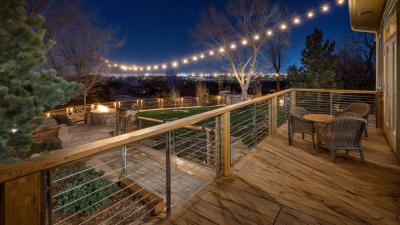
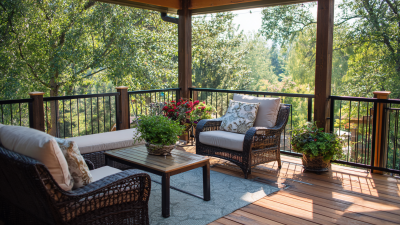
If you’re looking to enhance your home’s aesthetics and safety, installing wire railing is a fantastic option. Wire railing offers a sleek, modern look. It’s a versatile choice for various home styles. This type of railing is not only functional but also visually appealing. The glossy finish can complement both indoor and outdoor spaces.
Installing wire railing may seem straightforward. However, attention to detail is crucial. You might face challenges, such as ensuring proper tension and alignment. Each section requires careful measurement and planning. Without proper installation, the railing may not hold up under pressure.
Consider your skill level before starting. It’s a project that can be rewarding, yet it demands patience. Wiring can be tricky to maneuver. Mistakes can lead to safety issues or aesthetic flaws. Reflect on your experience with home projects to decide. Wire railing has its advantages, but it’s essential to approach the installation with caution.
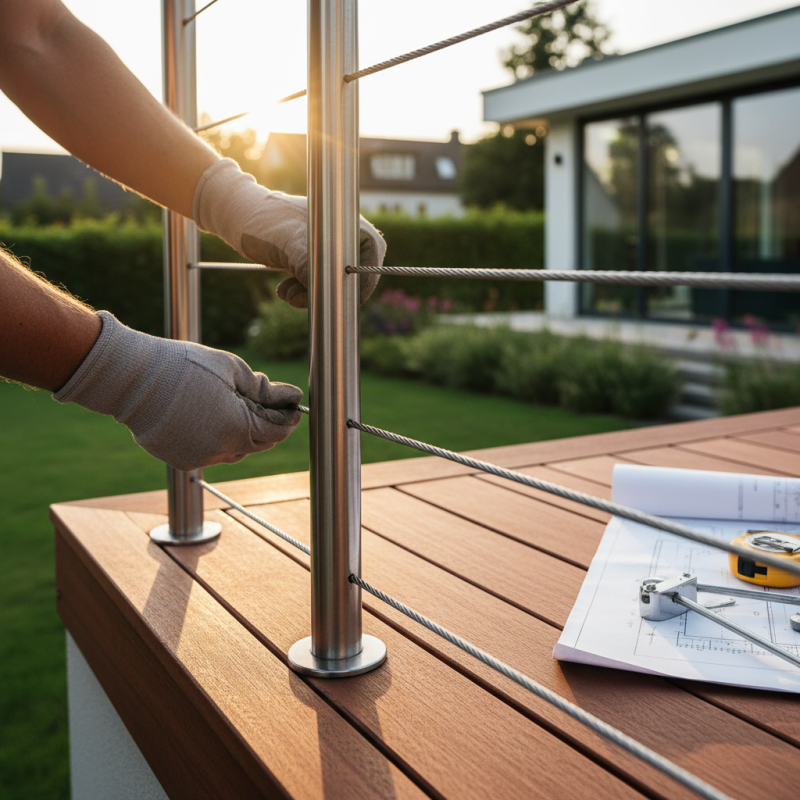
Materials Needed for Wire Railing Installation in Home Improvements
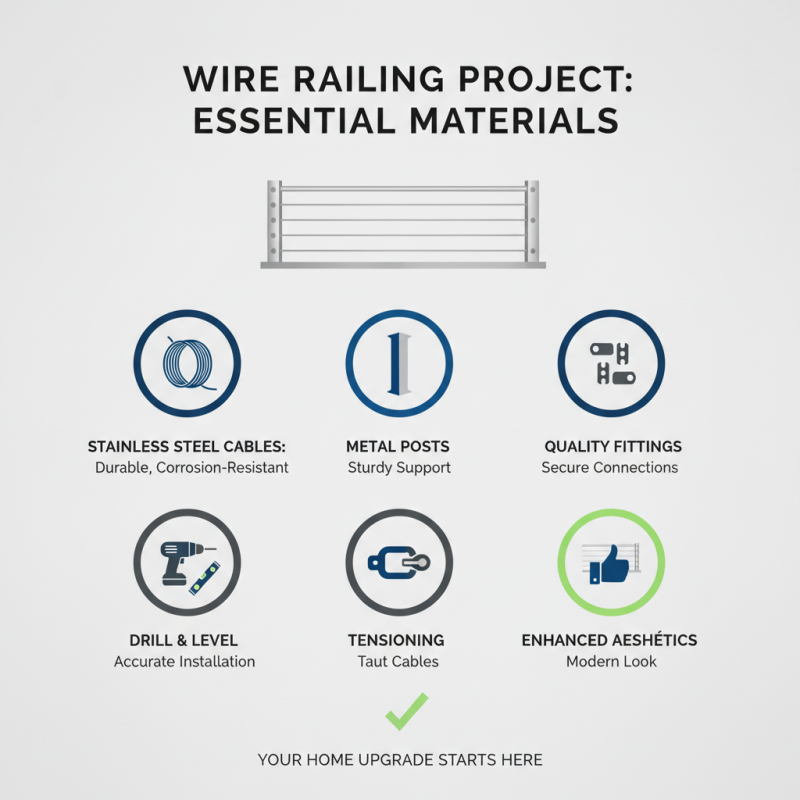
Installing wire railing can enhance your home’s aesthetics. Consider the materials you'll need for a successful project. Begin with stainless steel cables, which offer durability and resistance to corrosion. You'll also require metal posts to support the cables. Make sure to choose quality fittings for secure connections. A drill and level are essential for accurate installation. Don’t forget the tensioning system to keep the cables taut.
When working with wire railing, attention to detail is crucial. Proper measurements can prevent misalignments. Remember to space your posts evenly. The distance will affect the overall strength of the railing. Sometimes, mistakes happen. A misaligned post can lead to safety issues. Always double-check your work before securing everything in place.
Tips: Use protective gloves while handling materials. Sharp edges can cause injuries. Additionally, have a helper on hand. It’s easier to manage long cables with two people. Measure twice, cut once. This simple rule can save you time and materials. Balancing safety with aesthetics takes practice. Don't rush the process.
Step-by-Step Preparation for Installing Wire Railing
When preparing to install wire railing for your home improvements, proper preparation is crucial. According to a report from the National Association of Home Builders, nearly 40% of DIY projects fail due to inadequate planning. Start by measuring the area where the railing will be installed. Ensure your measurements are accurate; a small mistake can lead to significant setbacks.
Gather all necessary tools and materials, such as posts, tensioners, and wire cable. Each of these components plays a role in the durability and safety of the railing system. For instance, using the wrong gauge of wire can result in a weak structure. A study shows that properly installed wire railings can withstand a lateral load of up to 200 pounds while maintaining their integrity.
Don’t underestimate the importance of visualizing your final design. Sketching out plans can help clarify your vision. Many people overlook this step, leading to mismatched elements later. Inadequate attention to aesthetic details can make the installation process more challenging. Aim to create a design that complements your home’s architecture, ensuring that the railing enhances rather than detracts from your space.
Techniques for Properly Installing Wire Railing Posts
Installing wire railing can enhance both safety and aesthetics in home improvements. Properly installing the posts is crucial for a sturdy and appealing setup. Begin by selecting an appropriate location. Ensure it is level and free from debris. Mark the spots where the posts will go. Use a post hole digger to create holes. Each hole should be deep and wide enough to accommodate the posts securely.
After digging, place the posts in the holes. Check for vertical alignment using a level. It’s easy to make mistakes here; an uneven post can spoil the entire look. Fill the holes with concrete, ensuring the posts remain upright. Allow the concrete to set as per the manufacturer's instructions. Once cured, you can attach the wire. Using the right tension is important. Too tight may stress the posts, while too loose compromises safety. Regularly check the tension over time. Don't hesitate to make adjustments as needed. Remember, it’s all about achieving that perfect balance between functionality and design.
Guidelines for Tensioning and Securing Wire Railing
Installing wire railing can enhance your home's aesthetic while providing safety. However, it's crucial to tension and secure wire railings properly. Proper tensioning ensures that the cables maintain their integrity over time. Loose cables can lead to accidents or require frequent adjustments.
When securing wire railings, use a solid anchoring system. Anchors should be installed at the correct spacing, ensuring they can handle the tension. Follow guidelines closely. A small error can lead to significant issues. Check that all connections are tight and stable. Wobbly railings are unsafe, creating a potential hazard.
Tips: Always measure twice before cutting wire. This prevents mistakes and wasted material. Use a tension gauge to maintain uniform tension across all cables. It’s more efficient than eyeballing it. Inspect your work regularly. Look for signs of wear or loosening. Addressing these issues early can save you from larger problems. Keeping an eye on details is essential for lasting results.
Wire Railing Installation Data
Finishing Touches and Maintenance Tips for Wire Railing
When installing wire railing, the finishing touches are crucial. Properly tension the cables; this ensures they are secure and functional. Use a simple tool to measure the tension. Regularly check fittings and adjust as necessary. Over time, cables can stretch or loosen, affecting safety. Tightening requires attention but yields rewarding results.
Maintenance is essential for wire railing longevity. Clean the cables and posts periodically with mild soap and water. Avoid harsh chemicals that may cause damage. Rinse thoroughly and dry the surfaces. Inspect for rust or corrosion after heavy rain. Unattended rust can lead to structural failure. Don't overlook the importance of prevention; it saves extensive repairs later.
Consider seasonal changes too. In winter, check for ice accumulation. Ice can cause unnecessary stress on the cables. Similarly, in summer, sun exposure may weaken the rust resistance of materials. Stay proactive and mindful of these details. They enhance both safety and longevity.