How to Install Steel Cable Railing for Your Deck or Balcony?

Steel cable railing has gained popularity in outdoor construction. The need for safety and aesthetics drives this trend. According to a recent report by the National Association of Home Builders, nearly 60% of homeowners prioritize modern railing options for decks and balconies.

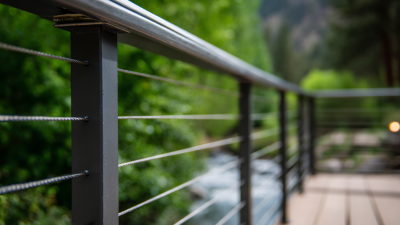
Installing a steel cable railing requires careful planning and execution. The visual appeal of steel cables offers an unobstructed view, enhancing the overall atmosphere of your space. Many homeowners underestimate the precision needed for installation. Proper tension and alignment are crucial for functionality and safety.

Incorporating steel cable railing might seem straightforward, but there are challenges. Ensuring the cables are taut can be tricky. Over time, cables may loosen, prompting maintenance. Acknowledging these potential issues is essential for a successful installation. Understanding both the advantages and the challenges can lead to better decision-making.

How to Install Steel Cable Railing for Your Deck or Balcony?

Choosing the Right Steel Cable Railing for Your Deck or Balcony

Choosing the right steel cable railing for your deck or balcony is crucial for safety and aesthetics. The railing needs to meet your local building codes. Many reports show that proper installation can reduce accidents by 40%. This is something to consider when selecting materials.

Look for high-quality stainless steel cables. They offer better resistance to corrosion. A study indicates that cables with a tensile strength of over 1,500 psi provide optimal safety. This can make a significant difference over time. Consider the infill spacing as well. Wider spacing can compromise safety while narrower gaps improve security.

There’s also the matter of style. A sleek design enhances the view and complements the outdoor space. However, even the best designs require maintenance. Regular checks for rust or wear are necessary. Remember that aesthetics shouldn’t override functionality. It’s vital to reflect on how your choice influences both safety and beauty.
Gathering the Necessary Tools and Materials for Installation

How to Install Steel Cable Railing for Your Deck or Balcony?

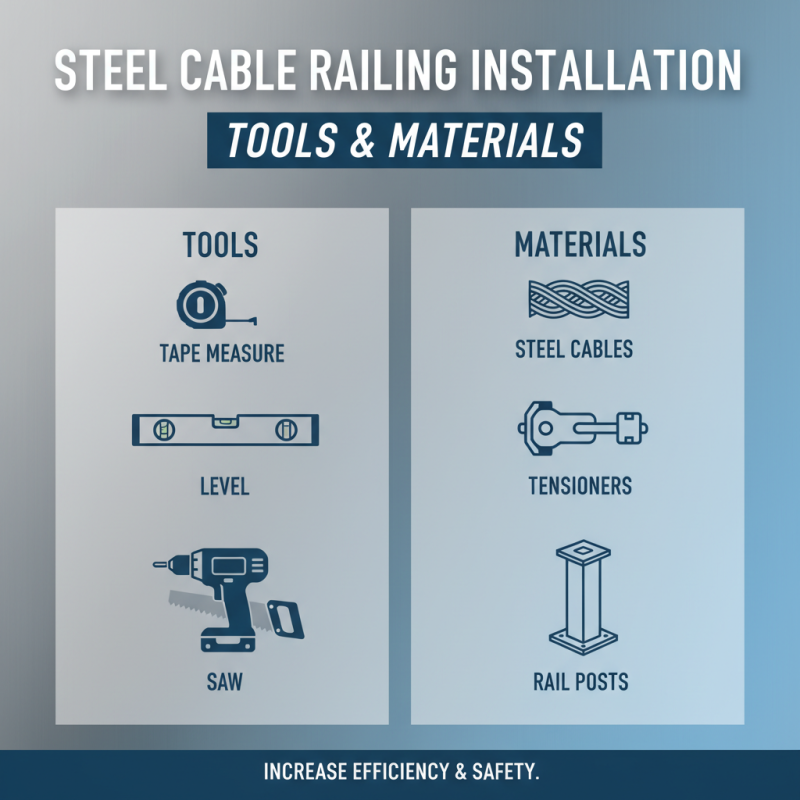
When preparing to install steel cable railing, gathering the right tools and materials is essential. According to industry standards, a well-planned project increases efficiency and safety. Start by ensuring you have a tape measure, level, power drill, and a saw. Additionally, you'll need stainless steel cables, tensioners, and rail posts. These materials not only enhance the aesthetics of your deck but also ensure durability and safety.

Industry reports indicate that improper installation can lead to safety hazards. For instance, 25% of railing failures are linked to inadequate tension. This highlights the importance of using a cable tension gauge to ensure the right amount of pull on your wires. Once you have everything, creating a checklist is helpful. Yet, reflect on your skills. It’s okay if you’re not experienced. Learning as you go can lead to better results.

Don't forget to consider the spacing of your cables. Building codes often specify a maximum gap. Improper spacing can lead to a dangerous situation. Having 4 inches as a rule of thumb may not be enough everywhere. You should confirm local regulations. Effective preparation means fewer hurdles down the line. Remember, the process can be less smooth than you expect, but that’s part of the learning curve.

Preparing the Deck or Balcony for Cable Railing Installation

Preparing your deck or balcony for cable railing installation involves careful planning and execution. A well-prepared surface is crucial for ensuring the safety and durability of the railing system. According to a survey by the American Society of Home Inspectors, about 70% of deck failures occur due to improper installation. This statistic underlines the importance of taking your time in preparation.

Start by inspecting the existing structure. Look for signs of damage or deterioration in the deck or balcony. Any issues should be addressed before installation begins. Removing old railings might seem simple, but it can expose hidden problems. Moreover, ensuring that the deck is level and stable is essential. A sloped surface can lead to misalignment of the cable railing, which could compromise safety. Use a level to check for any discrepancies.

Next, gather the necessary tools and materials. Having everything on hand can prevent mid-project disruptions. Remember, there are specific distance requirements for cable spacing. The International Residential Code recommends a maximum spacing of four inches between cables. This ensures the railing meets safety standards. Double-check measurements before cutting cables. A mistake could mean wasted materials and time, so careful execution is vital.

Step-by-Step Installation Process for Steel Cable Railing

Installing steel cable railing can enhance the aesthetic appeal of your deck or balcony while providing safety. The installation process can be tackled with a few essential tools and careful planning. Wood or metal posts typically serve as anchors for the cables, ensuring stability. A report from the American Institute of Steel Construction notes that cable railings can offer high strength and durability, especially when properly installed.

Measure your space accurately before purchasing materials. The standard height for railings is around 36 inches. The cables should be spaced correctly, not exceeding 3 inches apart. This prevents small objects from falling through. You may need to consider local building codes, which can vary. Some reports suggest that 15% of DIY projects face difficulties due to misunderstandings of these codes.

During installation, tensioning the cables is critical. Aim for a tension of around 200-300 pounds per cable, depending on the size of your railing system. Improper tensioning can lead to sagging over time. Many homeowners discover that this is not as easy as it seems. Practice proper techniques; they often require multiple attempts to achieve the right balance. Regular maintenance can prevent rusting, extending the life of your railing.

Steel Cable Railing Installation Process Overview

Maintaining and Caring for Your Steel Cable Railing

Maintaining and caring for your steel cable railing is crucial for its longevity and aesthetic appeal. Regular inspection is necessary. Check for signs of rust, wear, or loose cables. The American Society for Testing and Materials (ASTM) recommends routine maintenance at least twice a year. This way, you can catch potential issues early.

Cleaning is another vital part of upkeep. Use mild soap and water to wipe down the cables and posts. Avoid harsh chemicals that can damage the finish. A study by the National Association of Home Builders (NAHB) shows well-maintained railings can last over 30 years.

Tips: Dry the cables thoroughly after cleaning. Moisture can lead to rust. Also, consider applying a protective sealant every few years. This can enhance the railing's lifespan.

Watch for any sagging or movement in the cables. If you notice changes, it may be time to tighten or replace them. Remember, proper maintenance can save you money in the long run. Even small neglect can lead to significant repairs. Regular attention is essential. Keep your railings safe and looking great.