How to Install a Cable Fence for Your Property in Easy Steps
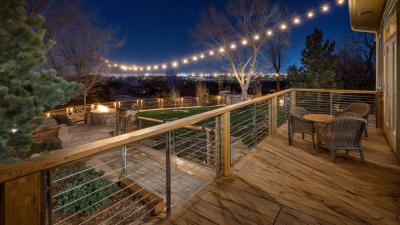
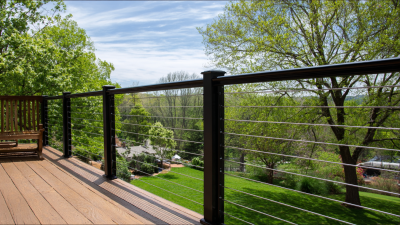
Installing a cable fence around your property can be a rewarding project that enhances both security and aesthetics. A cable fence, known for its modern look and durability, offers an effective barrier while allowing for unobstructed views of your landscape. This type of fencing is particularly popular among homeowners who wish to define their property lines while maintaining an open and airy feel. With some basic tools and a bit of guidance, you can achieve a professional-looking installation that adds value and charm to your property.
In this article, we will walk you through the easy steps to successfully install a cable fence. From preparing your site to securing the cables and posts, each step will be clearly outlined to ensure that even beginners can follow along. Pay attention to the details, as proper installation will not only enhance the fence's appearance but also its longevity. Whether you are looking to enclose a garden, define your property boundary, or add a stylish element to your outdoor space, a cable fence is an excellent choice that combines functionality with modern design.
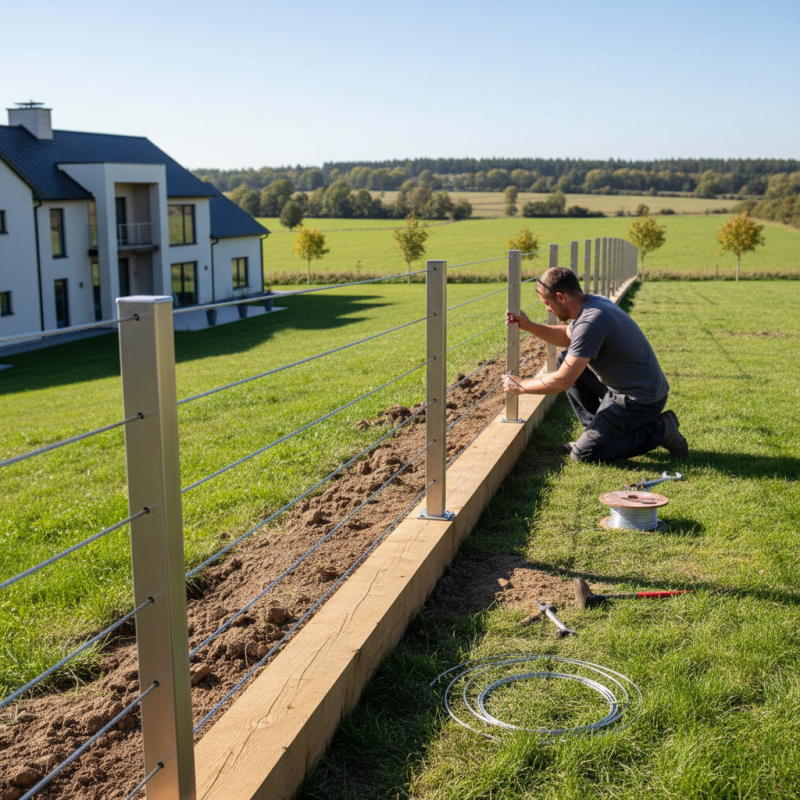
Understanding Cable Fencing: Benefits and Use Cases for Property Owners
Cable fencing has emerged as an increasingly popular option for property owners looking to enhance security and define boundaries while maintaining an unobtrusive aesthetic. According to a study by the American Fence Association, cable fencing can be a cost-effective solution that offers a good balance between visibility and safety. This type of fencing is particularly beneficial for properties that require clear sightlines, such as farms and ranches, as it allows for unobstructed views while preventing the entry of larger animals and unauthorized individuals.
The versatility of cable fencing also makes it suitable for various applications. Notably, its use extends beyond residential areas; it is often used in agricultural settings to contain livestock without obstructing the view of the landscape. The National Agricultural Statistics Service reports that approximately 48% of farms in the United States use some form of fencing, with cable fencing being favored for its resilience and low maintenance requirements. Additionally, cable fencing is environmentally friendly, as it can be made from recycled materials, contributing to sustainability efforts in property management. As such, property owners considering an effective and aesthetically pleasing fencing solution may find that cable fencing meets their specific needs while offering several advantages over traditional fencing options.
Selecting the Right Materials: Steel Cable Strength and Durability Standards
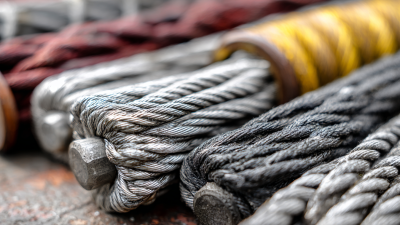
When selecting materials for a cable fence, the strength and durability of the steel cable are paramount. According to the American Society for Testing and Materials (ASTM), steel cables used for fencing should adhere to specific tensile strength standards to ensure longevity and structural integrity. Typically, a minimum breaking strength of 2,000 pounds per cable is recommended for residential applications. This level of durability is essential, as it not only withstands environmental stressors but also maintains the fence's functionality over time.
In addition to tensile strength, it’s crucial to consider the coating of the steel cable. Galvanized steel is commonly used due to its corrosion resistance, increasing the lifespan of the fence. Reports from industry experts suggest that properly coated cables can last up to 30 years, dramatically reducing maintenance needs and replacement costs. When selecting your materials, make sure to verify that they meet applicable standards, such as ASTM A641, to ensure you are investing in a high-quality product.
Tips: Always conduct a pull test to ensure the cable is securely anchored and can bear the required loads. Additionally, consider using spacing that allows for natural airflow to prevent sagging and maintain tension over time. Regular inspections will help identify any issues early, ensuring your fence remains strong and durable for years to come.
Preparing Your Property: Measuring and Marking for Accurate Installation
Preparing your property for a cable fence installation is a crucial step that ensures an accurate and efficient process. The first stage in this preparation involves measuring your land precisely. According to the National Association of Home Builders, an incorrect measurement can lead to significant increases in costs and delays, emphasizing the importance of taking the time to get it right. Start by using a reliable measuring tool, such as a measuring wheel, to determine the exact perimeter where the fence will be installed. Marking the desired fence line clearly with stakes or colored spray paint can prevent any confusion later in the installation process.
Next, it’s essential to consider the terrain and any existing structures on your property. The American Society of Landscape Architects highlights that uneven ground or obstacles can affect both the aesthetics and functionality of your cable fence. Thus, inspect the area where the fence will be installed to account for slopes, dips, and nearby trees or buildings that may obstruct installation. Mapping out these features will allow you to adjust your measurements accordingly, ensuring the final placement of the fence is both visually appealing and structurally sound. Taking these preparatory steps not only enhances the accuracy of your installation but also sets the foundation for a successful cable fence that complements your property.
Step-by-Step Installation Guide: Tools and Techniques for Cable Fencing
Installing a cable fence can be a rewarding project that enhances both the functionality and aesthetics of your property. To start, gather essential tools, including a post hole digger, level, wire cutters, and a tensioning tool. Begin by marking the perimeter of the area where you plan to install the fence. This will help ensure that your fence is straight and aligned properly. Once marked, dig holes for the fence posts at regular intervals—typically around 10 to 12 feet apart. Ensure that the holes are deep enough to provide stability for the posts.
After placing the posts into the holes, it’s crucial to check their vertical alignment with a level. Once the posts are secured in place, usually by pouring concrete or using gravel, you can begin attaching the cable. Start at one end and pull the cable tightly between each post, using a tensioning tool to achieve the desired tightness. Cut the cable to length as necessary, ensuring there is no slack that could compromise the fence's integrity. Finally, secure the cable to each post using clamps or brackets designed for cable fencing. Following these basic tools and techniques will lead you to a successful installation of your cable fence.
How to Install a Cable Fence for Your Property in Easy Steps - Step-by-Step Installation Guide
| Step |
Description |
Tools Required |
Estimated Time |
| 1 |
Plan the layout of the fence. |
Measurement tape, stakes. |
1 hour |
| 2 |
Gather materials and tools needed. |
Cable, posts, anchors, tools. |
30 minutes |
| 3 |
Install the corner and end posts. |
Post hole digger, level. |
2 hours |
| 4 |
Attach the cable to the posts. |
Cable clamps, wrench. |
1 hour |
| 5 |
Install intermediate posts. |
Post hole digger, level. |
1.5 hours |
| 6 |
Tension the cable securely. |
Wrench, tension gauge. |
1 hour |
| 7 |
Check the installation for stability. |
None. |
30 minutes |
Maintenance Tips: Ensuring Longevity and Effectiveness of Your Cable Fence
To maintain the longevity and effectiveness of your cable fence, regular maintenance is key. Start by inspecting the cables and posts for any signs of wear or damage. Look out for rust or corrosion, as these can compromise the integrity of the fence. If you notice any fraying cables, replace them promptly to avoid potential breakage. Keeping an eye on these details will ensure your fence remains sturdy and reliable over time.
Another important tip is to keep the area around your cable fence clear of debris and vegetation. Overgrowth can put unnecessary pressure on the cables and posts, leading to potential damage. Regularly trim any plants that come into contact with the fence and remove fallen leaves or branches that may accumulate. This will not only help preserve the fence but also enhance its aesthetic appeal.
Additionally, consider treating the cables and posts with a protective coating. A suitable rust-inhibiting paint or sealant can significantly extend the life of your cable fence. Apply this treatment during dry weather for optimal adherence. By following these simple maintenance tips, you can ensure that your cable fence stays functional and visually appealing for many years to come.