What is Hydraulic Pumps and How Do They Work?
Hydraulic Pumps play a crucial role in various industries by converting mechanical energy into hydraulic energy. According to a report by MarketsandMarkets, the hydraulic pump market is projected to reach $33 billion by 2026, reflecting its importance in sectors like construction and manufacturing. These pumps are essential for driving machinery, lifting heavy loads, and powering hydraulic systems.
The efficiency and reliability of hydraulic pumps are vital for optimal performance across applications. Their design often involves complex engineering principles, which can lead to challenges in maintenance and operation. For example, improper fluid selection can cause significant wear and tear. Awareness of these issues is essential for industry professionals to mitigate risks.
Furthermore, advancements in technology have led to innovations in pump design. Despite these advancements, inefficiencies remain. Some older systems still rely on outdated practices that may not meet current standards. Industry experts emphasize the need for ongoing education and adaptation to ensure efficacy and productivity. As technology evolves, understanding hydraulic pumps becomes increasingly important for sustainable growth.
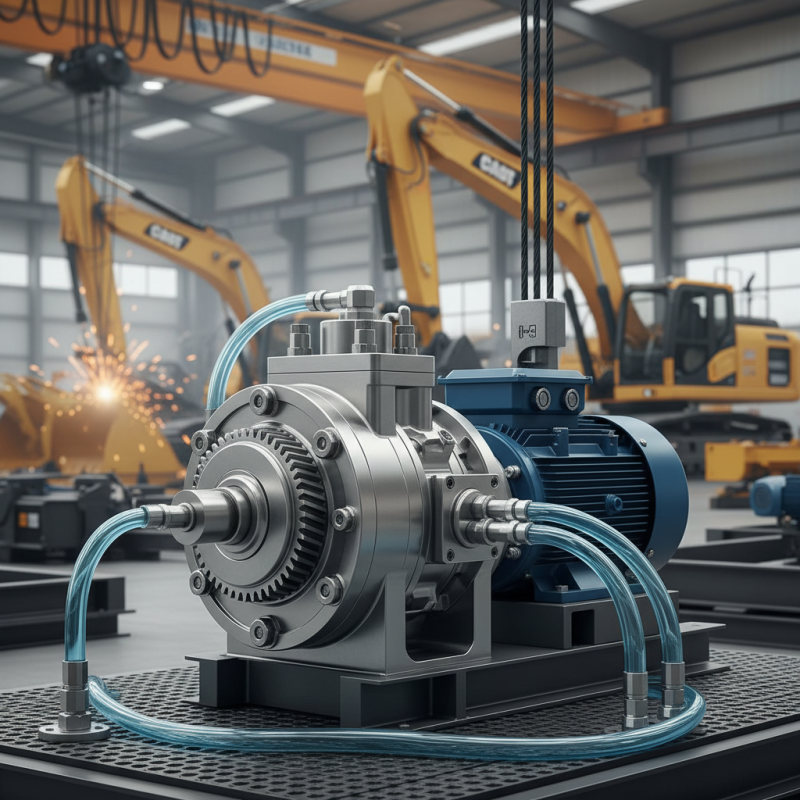
What is a Hydraulic Pump? Definition and Overview
A hydraulic pump is a vital component in hydraulic systems. It converts mechanical energy into hydraulic energy. This conversion occurs through the movement of fluid, creating pressure that performs work. Hydraulic pumps are commonly used in various applications, including construction machinery, automotive systems, and industrial equipment. Understanding how they function can provide essential insights into their reliability and efficiency.
Hydraulic pumps operate on specific principles. They draw hydraulic fluid from a reservoir and pressurize it. The pressure pushes the fluid through hydraulic lines, enabling systems and machinery to operate smoothly. There are different types of hydraulic pumps, such as gear pumps and piston pumps. Each type has its own advantages and limitations. Choosing the right pump requires a careful assessment of the application needs. This decision-making process can be complex and necessitates a deep understanding of system dynamics.
While hydraulic pumps are often reliable, they can also face issues. Common problems include leaks and inefficiencies. These challenges highlight the importance of regular maintenance and inspection. Monitoring the system helps identify potential problems before they escalate. Understanding the nuances of hydraulic pumps, including their faults, leads to more informed choices. This knowledge enhances system performance and longevity.
Types of Hydraulic Pumps: Gear Pumps, Piston Pumps, and Vane Pumps
Hydraulic pumps are vital components in many industrial applications. They convert mechanical energy into hydraulic energy. This process powers various machinery, enabling smooth and efficient operation. Understanding the types of hydraulic pumps helps in selecting the right one for specific needs.
Gear pumps are among the simplest types. They consist of two gears that turn and create suction, drawing fluid into the pump. This design allows for a constant flow, making them reliable for many tasks. However,
gear pumps are not ideal for high-pressure applications. Their efficiency could suffer due to wear and tear over time.
Piston pumps utilize reciprocating action to move fluid. They can generate higher pressures than gear pumps. However, they can be more complex to maintain.
Vane pumps, on the other hand, use rotating vanes to push fluid through. They are versatile and can handle varying flow rates.
Tip: When selecting a hydraulic pump, consider both flow rate and pressure requirements. Regular maintenance helps prolong pump life, ensuring optimal performance. Additionally, evaluate the working environment.
Harsh conditions can affect pump efficiency. Investing in quality components can lead to better long-term reliability.
How Hydraulic Pumps Generate Pressure: The Science Behind Operation
Hydraulic pumps play a critical role in various industrial applications. They convert mechanical energy into hydraulic energy, effectively generating pressure needed to move fluids. The science behind hydraulic pumps lies in Pascal's principle, which states that pressure applied to a confined fluid is transmitted undiminished in all directions. According to the National Fluid Power Association, the hydraulic industry contributes over $200 billion annually to the global economy, emphasizing its importance.
In hydraulic systems, pumps draw fluid from reservoirs and increase its pressure. This pressurized fluid then powers hydraulic cylinders or motors, resulting in controlled linear or rotary motion. Specific pump types, like gear and piston pumps, vary in efficiency and application. For example, piston pumps can achieve higher pressures but come with increased complexity. It’s crucial to assess these factors when selecting a pump for optimal performance.
However, challenges exist in maintaining hydraulic systems. Leaks and contamination can degrade performance, leading to system inefficiencies. Reports from the Hydraulic Institute indicate that ineffective maintenance can account for up to 30% of operational costs. Regular inspections and clean fluid management are essential but often overlooked by operators. Understanding these nuances can lead to better practices in hydraulic system management.
Applications of Hydraulic Pumps in Industry: Key Statistics and Data
Hydraulic pumps play a vital role in various industries, powering machinery and equipment. They convert mechanical energy into hydraulic energy. In construction, hydraulics drive heavy machinery like excavators and bulldozers, enabling them to perform tasks efficiently. These pumps enhance the efficiency of operations and reduce labor costs.
In manufacturing, approximately 70% of factories utilize hydraulic systems. They are key components in assembly lines, where precision is crucial. Hydraulic technology enables automation, improving production rates. In agriculture, farmers depend on hydraulic pumps for tractors and other equipment, boosting farming productivity.
However, not all hydraulic systems operate perfectly. Maintenance is essential to avoid leaks and inefficiencies. Many industries still struggle with outdated systems. Data shows that a considerable percentage of machinery failures stem from poor hydraulic maintenance. This indicates a need for continual improvement and better practices. Embracing new technologies and regular training can help mitigate these challenges.
What is Hydraulic Pumps and How Do They Work? - Applications of Hydraulic Pumps in Industry: Key Statistics and Data
| Dimension | Value |
| Global Market Size (2022) | $35 Billion |
| Estimated CAGR (2023-2030) | 5.5% |
| Most Common Application | Construction Machinery |
| Hydraulic Pumps used in Agriculture | 30% |
| Hydraulic Pumps used in Manufacturing | 25% |
| Industries Utilizing Hydraulic Systems | Mining, Automotive, Aerospace, etc. |
| Hydraulic Pump Efficiency Rate | 80% - 90% |
Maintenance and Troubleshooting of Hydraulic Pumps: Best Practices
Hydraulic pumps are essential components in various industrial and machinery applications. Proper maintenance is crucial to ensure their longevity and performance. Regular inspections can identify leaks, unusual noises, or vibrations. Each of these signs may indicate underlying issues requiring immediate attention.
Cleaning the hydraulic fluid regularly can prevent contamination. Contaminated fluid can cause wear on pump components. Regularly replacing filters is also important. Though these tasks may seem tedious, neglecting them can lead to costly repairs. Operators must document maintenance activities to track equipment history.
Troubleshooting challenges can be frustrating. One common mistake is ignoring small problems until they escalate. If a pump is not functioning as expected, check the power supply first. Often, the solution lies in the simplest factors. Relying on thorough documentation can help in diagnosing recurring issues. Sometimes, the solution is easily overlooked. Regular training can equip teams with the knowledge needed for effective maintenance and troubleshooting.