What is a Fluorine Pump and How Does It Work?
Fluorine Pumps are specialized devices designed to handle the unique properties of fluorine gas and its derivatives. Understanding how these pumps operate is crucial for industries that require precise control over corrosive and reactive substances. Fluorine, known for its high reactivity, demands specific engineering to ensure safety and efficiency in handling.
The design of a Fluorine Pump involves advanced materials and technologies. Engineers use corrosion-resistant components to avoid degradation from fluorine exposure. Additionally, the pump's mechanism must handle the gas under various pressures and temperatures. This complexity reflects both the challenges and the innovations in pump technology.
While Fluorine Pumps play a vital role in sectors like chemical manufacturing and semiconductor processing, they also pose operational challenges. Regular maintenance and monitoring are essential to ensure optimal performance. There is always room for improvement in reliability and safety standards. Understanding these factors helps companies make informed decisions, balancing efficiency with the inherent risks of working with fluorine.
Definition and Purpose of a Fluorine Pump
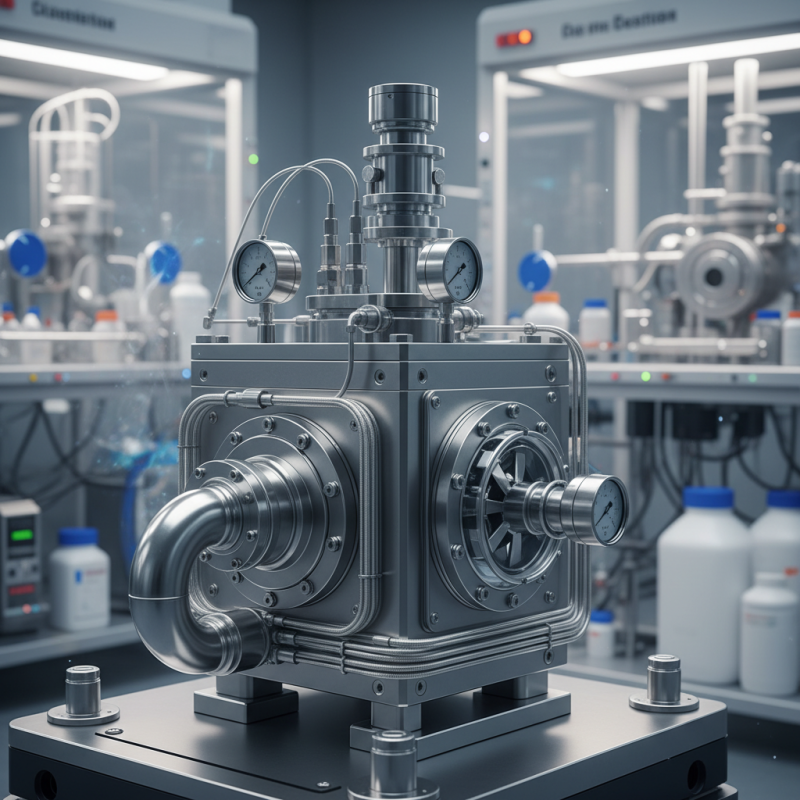
A fluorine pump is a specialized device designed to handle and transfer fluorine and fluorine-containing gases. This technology plays a crucial role in various industrial applications, particularly in the manufacturing of fluorinated compounds. These compounds are vital in sectors like pharmaceuticals and electronics.
The primary purpose of a fluorine pump is to ensure safe and efficient handling of highly reactive fluorine. Fluorine is known for its strong oxidizing properties and can be hazardous if not managed properly. The pump typically consists of materials resistant to corrosion and can withstand high pressure. This makes it essential in avoiding potential leaks or accidents during operation.
Fluorine pumps can vary in design, but they all must adhere to strict safety standards. Understanding the intricacies of their operation is essential for technical personnel. However, there may be instances where the pump malfunctions or does not perform as expected, leading to increased scrutiny. Continuous evaluation and adaptation are necessary to maintain reliability in their performance. This makes expertise in fluorine technology even more critical.
Basic Components of a Fluorine Pump
Fluorine pumps are specialized equipment essential in various industrial applications. These pumps manage the handling of fluorine gas, a highly reactive substance. The components of a fluorine pump are critical in ensuring safety and efficiency in operation.
At the heart of a fluorine pump lies the pump casing. This casing must withstand extreme pressures and corrosive environments. Typically, materials like nickel alloys are used, which can endure the harsh nature of fluorine. According to the American Society of Mechanical Engineers, materials should meet specific standards, as fluorine can rapidly react with metals.
Seals and gaskets are also vital components. They prevent leakage, which can lead to dangerous situations. Many fluorine pumps use PTFE seals due to their chemical resistance. Data from the Chemical Engineering journal suggests that failure in sealing can occur in over 30% of installations, emphasizing the need for reliable materials and designs. Finally, the control systems play a crucial role. They ensure precise management of flow rates and pressures, critical for the safe handling of fluorine. Understanding these components helps prevent accidents and ensures efficient operation in various applications.
Fluorine Pump Component Efficiency
Mechanism of Action in Fluorine Pumps
Fluorine pumps are specialized tools used in various industries to transfer or manage fluorine gas. The mechanism of action in fluorine pumps is critical to understanding their efficiency and functionality. These pumps generally rely on advanced materials to accommodate fluorine's highly reactive nature. Typical pump designs feature stainless steel or special alloys to prevent corrosion and ensure longevity.
The operation begins with the intake valve, where fluorine gas enters the system. The pump uses a diaphragm or a rotor to create pressure and facilitate movement. This process is sensitive; slight variations in pressure can affect the flow. Monitoring systems are often integrated to provide real-time data. Transforming the gas into a liquid state is another complex aspect that manufacturers continuously refine.
Fluorine pumps require precise calibration. Users must consider potential risks, like leaks or pressure overloads. Such issues may lead to inefficiencies or even system failures. Regular maintenance checks are crucial for safe operations. Understanding the underlying mechanisms can help users make informed decisions about managing fluorine safely. Knowledge about proper handling and usage is essential for anyone working with these pumps.
Applications of Fluorine Pumps in Industry
Fluorine pumps play an essential role in various industrial applications. Their ability to handle highly reactive fluorine gas makes them crucial in sectors like semiconductor manufacturing and chemical processing. According to industry reports, the global fluorine pump market is expected to grow by 7.5% annually, reflecting the increasing demand for advanced materials in electronics.
In semiconductor fabrication, fluorine gas is used in etching processes. Precise control of fluorine flow is vital. Any inconsistencies can lead to defects in microchips. Data show that companies utilizing high-quality fluorine pumps reduce production errors by approximately 20%. This improvement translates to significant cost savings over time.
In the chemical sector, fluorine pumps facilitate the production of fluorinated compounds. These compounds are used in pharmaceuticals and agrochemicals. However, handling fluorine requires strict safety measures due to its corrosiveness. Organizations often face challenges in ensuring compliance with safety regulations. This emphasizes the continued need for innovation in pump technology. Despite advancements, further research is needed to improve pump materials and designs for better longevity and reliability.
Safety Considerations for Handling Fluorine Pumps
Handling fluorine pumps requires strict safety measures due to the nature of fluorine itself. Fluorine is highly reactive and corrosive. Personal protective equipment (PPE) should be the first line of defense. This includes goggles, gloves, and protective clothing. Make sure to wear a suitable respirator if there’s a risk of exposure to fluorine gas.
Proper training is essential when operating fluorine pumps. Users must understand the potential hazards. Improper handling can lead to catastrophic leaks. Regular inspections of equipment for wear and tear can help identify issues before they escalate. Keep a safety data sheet handy for emergency protocols.
Storage of fluorine should also be monitored carefully. It should be in a well-ventilated area away from incompatible materials. For spills, have neutralizing agents available to manage fluorine safely. It is crucial to conduct drills for emergency scenarios. Reflection on past incidents can lead to better preparedness. Frequent safety audits can highlight potential areas for improvement, ensuring a safer environment for everyone.