10 Essential Tips for Choosing a Steel Cable Railing System?
When considering a steel cable railing system, several factors can influence your decision. This choice contributes to both safety and aesthetic appeal. Steel cable railings offer a modern look, enhancing outdoor spaces. Yet, selecting the right system may seem overwhelming at first.
First, understand the materials. Quality steel is crucial for durability and strength. This will impact the longevity of your railing. Think about the design. The style should complement your home’s architecture. Many options are available, but it's essential to make an informed decision.
Lastly, consider the installation process. It may appear simple, but poor installation can lead to future issues. Reflect on these factors to ensure your choice serves both functionality and beauty. Choosing wisely can lead to a stunning, secure environment.
Understanding the Basics of Steel Cable Railing Systems
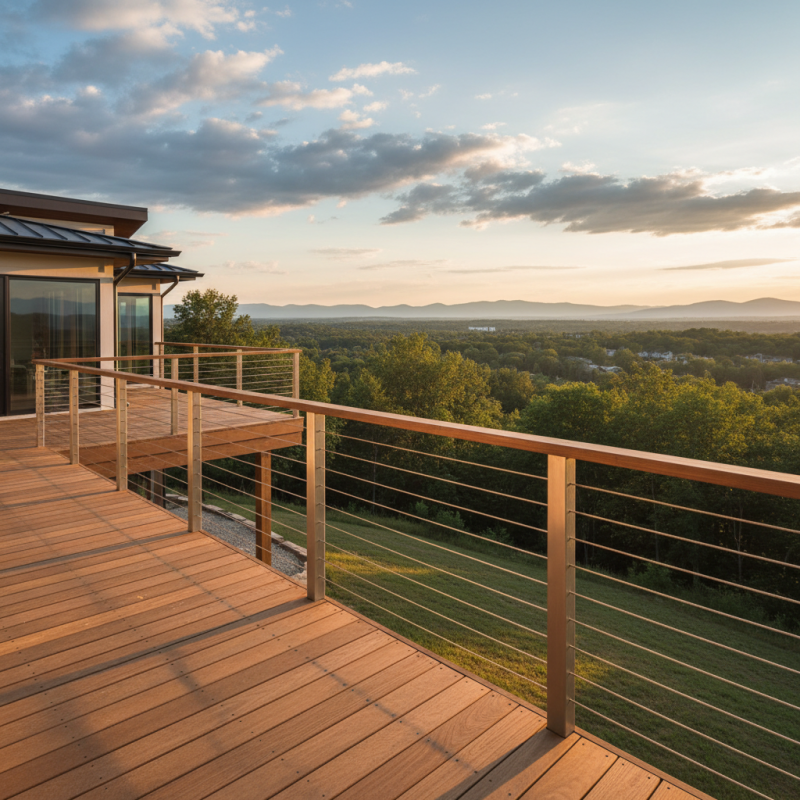
When considering a steel cable railing system, it’s crucial to grasp the fundamentals. Steel cable railings offer a sleek look and durable performance. They consist of stainless steel cables held in place by posts. This design maximizes views while ensuring safety. The right choice depends on various factors like installation, maintenance, and aesthetics.
One important tip is to evaluate the cable spacing. Too wide spacing can compromise safety. The recommended distance is typically around 3 inches between cables. This ensures children and pets cannot slip through. Additionally, consider the type of posts. Stainless steel posts withstand weather conditions well. They do not rust easily and require minimal upkeep.
Choosing the right hardware also matters. Look for high-quality tensioning systems. They keep cables tight and secure, preventing sagging over time. Remember, installing a steel cable railing system might involve some trial and error. Seek advice but be ready to make adjustments. Sometimes, you might overlook details like the finish or color scheme. Don't rush the decision; it impacts your entire space.
10 Essential Tips for Choosing a Steel Cable Railing System
Evaluating the Material Quality of Steel Cables and Components
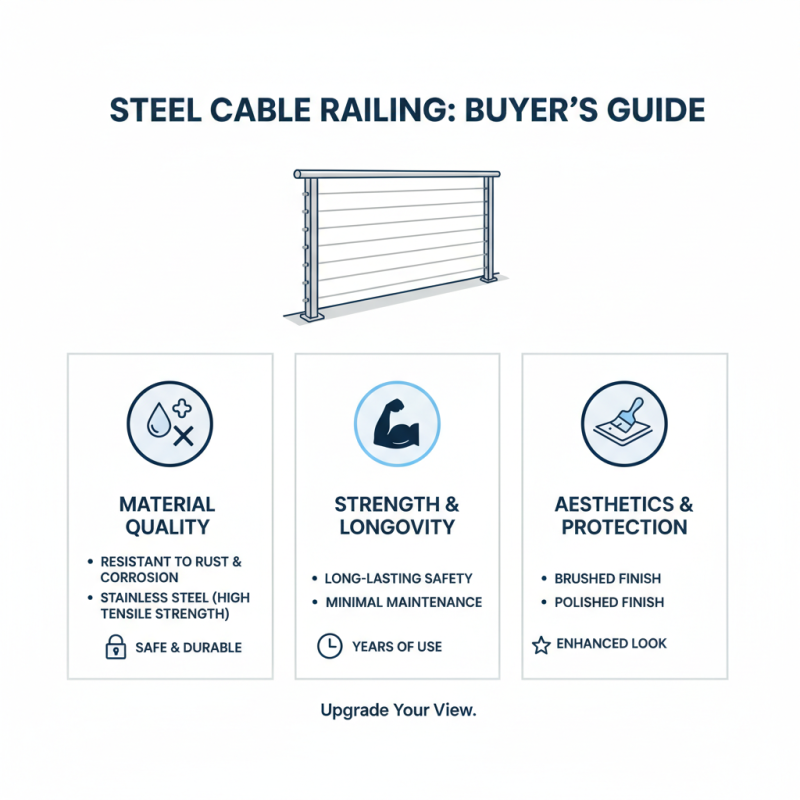
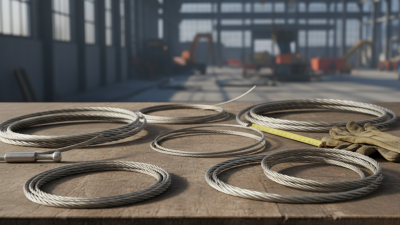
When selecting a steel cable railing system, evaluating the material quality is crucial. The steel used must resist rust and corrosion. Look for cables that are made from stainless steel with a high tensile strength. This ensures the railing remains safe and durable for years. Remember, the appearance matters too. Brushed or polished finishes can enhance aesthetics while providing protection.
Inspect the components carefully. Look for high-quality connectors, fittings, and posts made from strong materials. Components should fit tightly together; any gaps may lead to weaknesses. Even the best cables can fail if the hardware is subpar. It’s essential to consider the weight capacity of the entire system. Your choice should support the intended use without compromising safety.
Finally, consider the installation process. Poor installation can lead to long-term problems, regardless of material quality. Research best practices and, if necessary, consult professionals. It is better to get it right the first time. Every detail counts in creating a reliable and beautiful railing system. A little extra care in choosing the right materials pays off in durability and aesthetics.
Comparing Different Styles and Designs for Aesthetic Appeal
When choosing a steel cable railing system, aesthetics play a significant role. The style you select can dramatically impact your space's overall feel. Contemporary designs often feature sleek lines and minimalist aesthetics. They provide a clean look that complements modern homes well. However, these designs may not fit every architectural style, so consider your home’s character.
Mixing materials can enhance visual interest. A wooden frame around steel cables creates warmth while maintaining durability. Conversely, a glass panel integrated with a steel railing can add elegance and sophistication. The contrast of materials can transform a plain area into a striking focal point.
Don’t overlook the importance of color and finish. Stainless steel offers a sleek appearance but can look cold. Powder-coated options deliver a range of colors. However, darker shades may fade over time, needing maintenance. Reflect on the long-term care involved in your choice. Subtle details can profoundly affect the overall aesthetic, inviting deeper consideration into your design preferences.
Assessing Safety Standards and Building Codes for Railings
When choosing a steel cable railing system, safety standards and building codes are paramount. These regulations ensure your railing can withstand pressure and falls. Start by checking local building codes. They often specify height and spacing requirements for railings. Ignoring these could lead to unsafe installations.
Ask about the materials used. Not all steel cables are created equal. Look for corrosion-resistant options if you live in wet areas. Consider that installation may not be straightforward. Some designs may look sleek but could compromise safety.
Tip: Always verify if the system meets or exceeds safety standards. Do not rush this step. Evaluate different designs and materials to determine what suits your space best. Remember, aesthetics shouldn't come at the cost of safety. Aim for a balance that keeps your home stylish and secure.
Considering Installation and Maintenance Requirements for Durability
Choosing a steel cable railing system requires careful consideration of installation and maintenance. Durability is key for both safety and aesthetics. According to a study by the American Institute of Steel Construction, properly maintained steel cable railings can last over 30 years. This longevity reduces the need for frequent replacements, saving homeowners time and money.
When selecting a system, focus on pre-installed components to simplify installation. Look for systems that come with necessary hardware and easy-to-follow manuals. This can speed up the setup process and prevent common installation errors. Remember, a well-installed system not only looks better but enhances safety.
Regular maintenance is crucial. Inspect the cables and framework every six months. Look for signs of wear such as rust or fraying cables. Clean with mild soap and water; avoid harsh chemicals that can damage protective coatings. Maintaining the aesthetics and structural integrity of your railing ensures it remains both functional and beautiful for years to come.
10 Essential Tips for Choosing a Steel Cable Railing System
| Tip |
Consideration |
Benefit |
Maintenance Requirement |
| Material Quality |
Ensure corrosion-resistant steel |
Increases longevity and performance |
Periodic cleaning recommended |
| Cable Thickness |
Choose appropriate gauge for strength |
Enhanced safety and structural integrity |
Check for wear and tear regularly |
| Post Spacing |
Follow local building codes |
Ensures compliance and safety |
Inspect alignment every few months |
| Finish Options |
Select a finish that matches your environment |
Enhances aesthetic appeal |
Routine touch-up of paint or coating |
| Cable Configuration |
Consider vertical or horizontal layouts |
Adapts to various design styles |
Monitor tension and adjust as needed |
| Installation Method |
Choose between DIY or professional installation |
Ensures proper setup |
Follow manufacturer guidelines |
| Safety Features |
Look for integrated safety rails |
Maximizes user safety |
Verify secure anchoring |
| Regulatory Compliance |
Check for local regulations |
Avoids legal issues |
Keep documentation updated |
| Cost Consideration |
Evaluate budget against prices |
Ensures affordability |
Plan for potential repairs |