How to Choose the Right Pcb Board for Your Project?
Choosing the right Pcb Board for your project can be a daunting task. A PCB board, or printed circuit board, serves as the backbone for electronic devices. It connects and supports various components, enabling them to communicate effectively. Selecting the appropriate PCB board is crucial to ensure the success of your project.
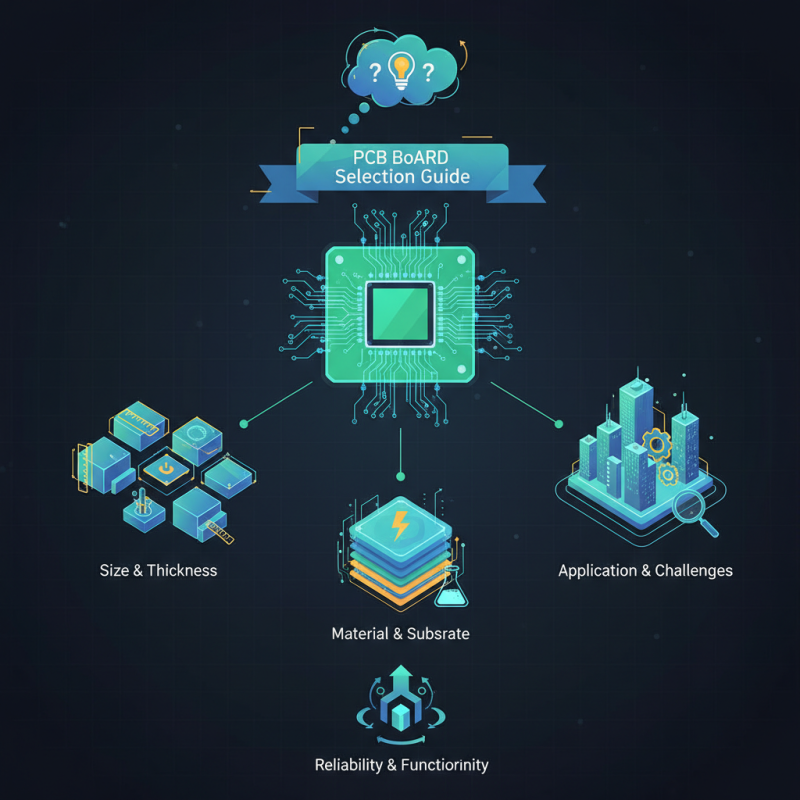
Different projects require different types of PCB boards. Factors like size, thickness, and material can significantly influence performance. For instance, a project involving high-frequency signals may need a special substrate. These specifics can feel overwhelming, yet they are essential for reliability and functionality.
Understanding your project needs is vital. Many overlook the importance of proper PCB board selection. Reflect on the intended application and consider potential challenges. This proactive approach can prevent unnecessary complications later on. By carefully analyzing your requirements, you can choose a PCB board that not only meets your needs but also elevates your project to new heights.
Understanding Your Project Requirements
When choosing a PCB board, understanding your project requirements is crucial. Start with the specifications. The function of your project will dictate materials, layer counts, and dimensions. According to a 2022 industry report, 70% of design failures are linked to poor material selection. Choosing the right substrate. Common options include FR-4 and polyimide. Each has distinct thermal and electrical properties that can impact performance.
Another key factor is the board layout. Complex designs may require multi-layer boards. Research shows that multi-layer boards can increase the cost by as much as 30%. However, they enable more compact designs and enhanced functionalities. It’s also vital to consider manufacturability. Certain designs may look ideal on paper, but if they cannot be produced reliably, the project will fail.
Testing requirements should never be overlooked. A survey indicates that 32% of engineers report issues related to non-compliance in testing. Establish the standards your board must meet. Consider environmental factors as well. Humidity, temperature, and exposure can affect longevity. Each aspect requires detailed planning and consideration. Balancing these elements is inherently challenging. A well-considered approach can minimize risks and optimize your project outcomes.
Types of PCB Boards and Their Applications
When selecting a PCB board, it's crucial to understand the various types available. Each type serves distinct purposes in electronic projects.
Generally, you’ll encounter single-sided, double-sided, and multi-layer boards. Single-sided boards are simple and cost-effective, ideal for basic applications. Double-sided boards allow for greater complexity, enabling more connections and reduced size. Multi-layer boards, although more expensive, offer high density and advanced functionality.
Tips: Assess your project's complexity before choosing a board type. Simple projects may only require a single-sided board. However, consider a multi-layer design for more complicated electronics. Also, think about the thermal and electrical performance needed for your application.
Flex PCBs are valuable for projects needing flexibility and bending in tight spaces. Rigid models offer durability and stability for harsh environments. Each choice has its pros and cons. Factor in your project's constraints and performance demands. Evaluate the specifications thoroughly to avoid regrets later. Disregarding these aspects can lead to significant challenges during development.
Key Specifications to Consider for PCB Selection
Choosing the right PCB board for a project involves understanding critical specifications. The board's size, layer count, and material are paramount. According to industry data, over 70% of design issues stem from material selection. This can lead to performance issues and increased production costs.
One essential specification is the PCB layer count. A single-layer board may suffice for simple devices. However, complex designs often require multi-layer boards to enhance performance and reduce size. Also, consider the thermal management needs of your project. High-density designs may generate more heat, requiring better materials and design practices.
**Tip:** Always prototype your design before full-scale production. This can help identify flaws early on. Evaluate the type of components you'll use as well. High-frequency components often necessitate specific materials to reduce signal loss.
Incorporating specifications like impedance control and surface finish is crucial too. Some projects may need high-frequency PCBs, influencing the dielectric constant of the materials. Failing to account for this can compromise functionality. Maintaining a balance between cost and performance is vital in PCB selection. Always revisit your design requirements to ensure they align with your specifications.
Evaluating Manufacturers and Suppliers
Choosing the right PCB board begins with evaluating manufacturers and suppliers. The quality of your project relies heavily on the components you source. First, consider the experience of the manufacturer. How long have they been in the industry? Check their track record and customer reviews. A company that has been around for years often signifies reliability.
Next, explore their manufacturing capabilities. Do they use advanced technologies? Look for details on their production processes. Are they equipped to handle your specific requirements? Ask about their inspection and quality assurance practices. A solid supplier will be transparent about these points.
Don’t overlook communication. How responsive are they to inquiries? A quick reply often shows their commitment to customer service. It’s essential to build a relationship with your supplier. Reflect on your interactions. If something feels off, trust your instincts. A good match will enhance your project’s success.
Cost Considerations in Choosing a PCB Board
Cost is a crucial factor when choosing a PCB board for your project. The budget often dictates the type of materials and manufacturing processes available to you. Higher-quality materials typically lead to increased costs. However, they can also enhance the performance and longevity of your board. It’s essential to strike a balance between cost and quality.
Another consideration involves production volume. Low-volume runs may lead to higher per-unit prices. In contrast, placing bulk orders can significantly reduce costs. You might find that the design complexity also affects pricing. Complex designs may require advanced manufacturing techniques, which can be more expensive.
Reflect on your project needs. Are you aiming for a prototype or a final product? Prototypes often need less expensive materials, while final products may benefit from premium components. Careful assessment of your requirements can help manage costs effectively. Be prepared for trade-offs; this is a common aspect of PCB development.