How to Choose the Right Cable Railing Hardware for Your Project?
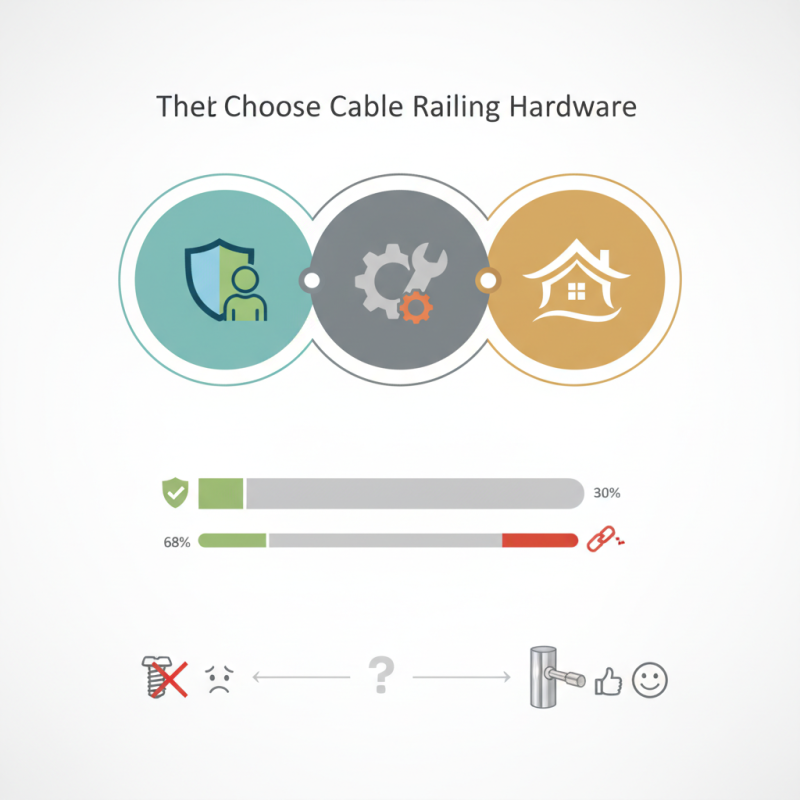
Selecting the right cable railing hardware is crucial for any construction or renovation project. There are numerous options available, and making the right choice can greatly impact safety and aesthetics. According to a recent industry report, 68% of homeowners consider safety a top priority when installing railings. This highlights the importance of utilizing high-quality hardware.
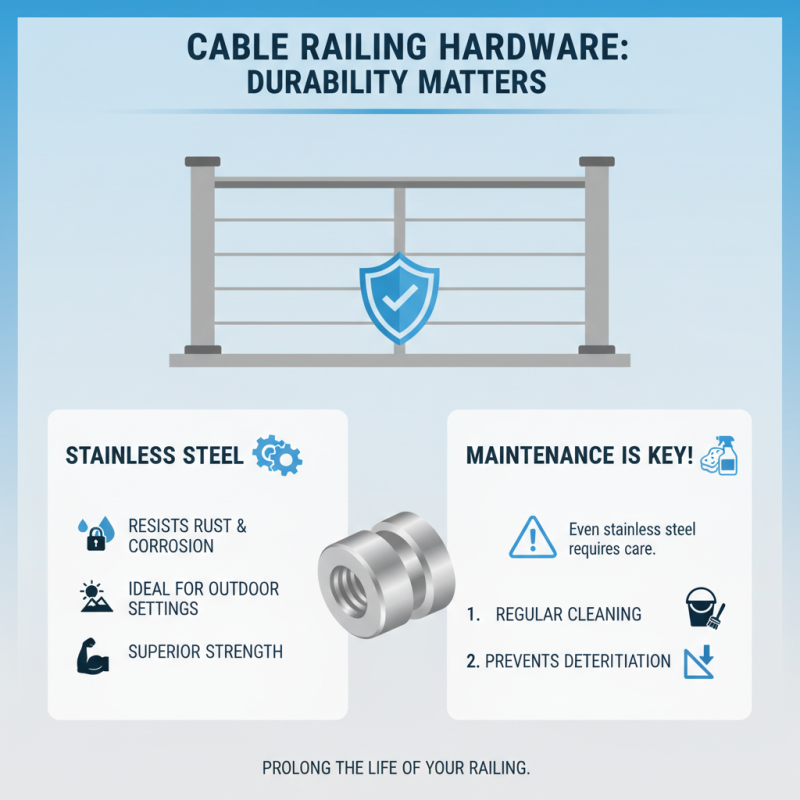
Durability is another key factor. Many components are exposed to elements and wear over time. A study found that over 30% of railing failures occurred due to improper hardware selection. This statistic serves as a cautionary tale, reminding builders and homeowners alike to approach their choices with care. Opting for corrosion-resistant materials can prolong the lifespan of cable railing systems.
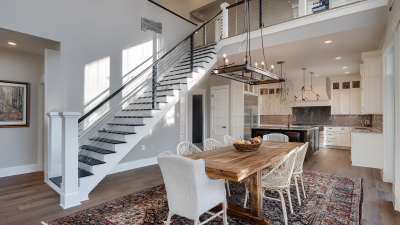
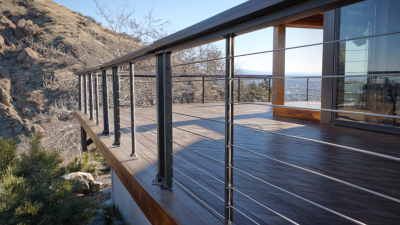
Visual appeal shouldn't be overlooked. The right cable railing hardware can enhance the overall design and add modern elegance to spaces. However, many individuals overlook this aspect in favor of cost. Choosing poorly can often lead to regret. A balanced approach considering safety, durability, and aesthetics will yield the best outcomes for any project.
Choosing the Right Type of Cable Railing Hardware: A Comprehensive Guide
Choosing the right type of cable railing hardware is essential for any project. With safety and aesthetics in mind, consider your specific needs. According to industry reports, over 75% of homeowners prefer stainless steel cable railings due to their durability and resistance to corrosion. This choice significantly enhances the longevity of your installation.
When selecting hardware, pay attention to the size and gauge of the cable. Most installations use 1/8-inch or 3/16-inch cables, which balance flexibility and strength. Take note that improper sizing can lead to costly reinstallation.
Tip: Always factor in local weather conditions. Harsh climates can affect hardware performance. Regular maintenance is critical for ensuring optimal functionality.
Before finalizing your choice, it’s helpful to consult with professionals. Their insights may reveal potential pitfalls in your plan. Don't overlook the importance of aesthetic preferences; the right finish can seamlessly blend with your environment.
Understanding Load Requirements for Cable Railing Hardware Selection
Choosing the right cable railing hardware is crucial for safety and aesthetics. Load requirements play a significant role in this selection. You must consider the weight and type of materials used. The space between cables is another important factor. It affects both safety and visual impact.
Consider your deck or balcony's height. Higher railings need stronger hardware. Inspect local building codes. They dictate specific load limits. Hardware must support not just weight but dynamic forces as well. This includes factors like wind and movement.
Tips: Always calculate the total weight load. This includes furniture and people. Test your hardware choices with real-life examples. Consider consulting with a professional. Proper installation is key. Even slight miscalculations can cause failure. Adjustments might be needed during the installation process.
How to Choose the Right Cable Railing Hardware for Your Project? - Understanding Load Requirements for Cable Railing Hardware Selection
| Cable Diameter (inches) |
Maximum Load Capacity (lbs) |
Recommended Hardware Type |
Installation Notes |
| 1/8 |
400 |
Turnbuckle & Tensioner |
Requires precise tensioning |
| 3/16 |
600 |
Swage & Terminal Fittings |
Swaging reduces cable movement |
| 1/4 |
800 |
Post Mount Hardware |
Good for heavy-duty applications |
| 5/16 |
1000 |
Cable Bracket System |
Max load with proper alignment |
Comparing Stainless Steel vs. Aluminum for Cable Railing Applications
When deciding between stainless steel and aluminum for cable railing hardware, consider the environment. Stainless steel is highly durable and resistant to corrosion. This makes it ideal for coastal areas or places with heavy rainfall. Aluminum, on the other hand, is lightweight and resistant to rust. It can be a good choice for dry climates but may not hold up as well in harsh conditions.
Tips: Test both materials in your specific environment. Look for signs of wear. It’s not always clear which will last longer.
Aesthetics also matter. Stainless steel has a sleek, modern look. It can complement various architectural styles. Aluminum is available in various colors and finishes, allowing for more customization. However, its appearance may fade faster under UV exposure.
Tips: Consider how the material fits with your overall design. A mismatch can make your project look unfinished. Frequent maintenance may be necessary if you choose aluminum for its aesthetic appeal.
Comparison of Cable Railing Hardware Materials
This chart compares stainless steel and aluminum cable railing hardware based on their weight and corrosion resistance. Stainless steel offers greater weight and better corrosion resistance compared to aluminum, making it a popular choice for durability.
Tips for Ensuring Compliance with Building Codes and Regulations in Railing Projects
When embarking on a railing project, compliance with local building codes is crucial.
According to a recent industry report, 80% of construction disputes arise from code violations.
Each region has specific regulations regarding the height, spacing, and strength of railings. Ignoring these can lead to serious safety issues.
Railing projects should be approached with a thorough understanding of local requirements.
Some basic guidelines include ensuring that railings are at least 36 inches high.
Also, the spacing between cable runs should not exceed 3 inches. This prevents small children from slipping through.
Always consult local regulations before finalizing your design. The consequences of non-compliance can include fines and costly rework.
It’s essential to document all your materials and methods. An industry survey revealed that over
50% of professionals don’t keep adequate records.
This oversight can lead to challenges during inspections. Always prioritize safety and compliance.
In the long run, investing time in understanding the codes will pay off. Your goal should be a safe and compliant project that meets all regulations.