Why Choose Cable Fencing for Your Property Needs?
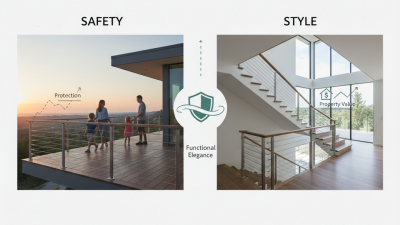
When considering the best fencing solutions for your property, the choice of materials is crucial. Cable fencing has emerged as a popular option due to its blend of durability and aesthetic appeal. Renowned expert in the field, Mark Thompson, remarks, "A cable fence offers unparalleled strength while maintaining visual openness." This dual function is essential for many property owners who seek both security and style.
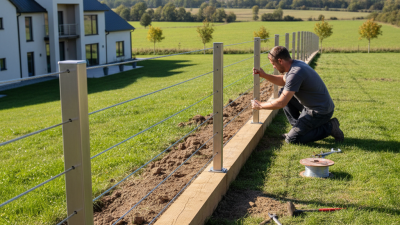
Choosing cable fencing means opting for a system that can withstand the elements. Its materials are designed to resist corrosion and wear, making it a reliable long-term investment. Property owners often find that maintaining a cable fence requires less effort than traditional wooden or metal options. However, some might overlook its installation needs. It’s essential to ensure proper tensioning of the cables for optimal performance.
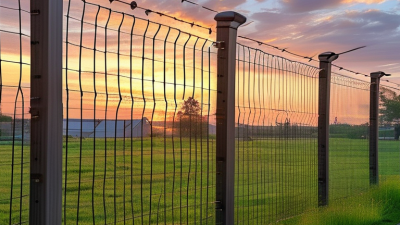
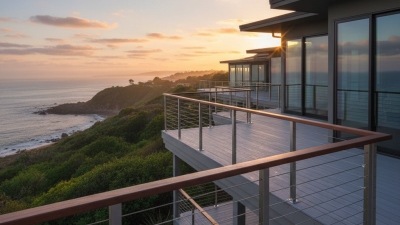
The decision to use a cable fence also reflects on property aesthetics. With sleek lines and minimal obstruction, it enhances views rather than detracting from them. While many appreciate this feature, it’s worth noting that cable fences may not provide the same level of privacy as solid barriers. This trade-off should be carefully weighed in your decision-making process.
Benefits of Cable Fencing for Property Security and Safety
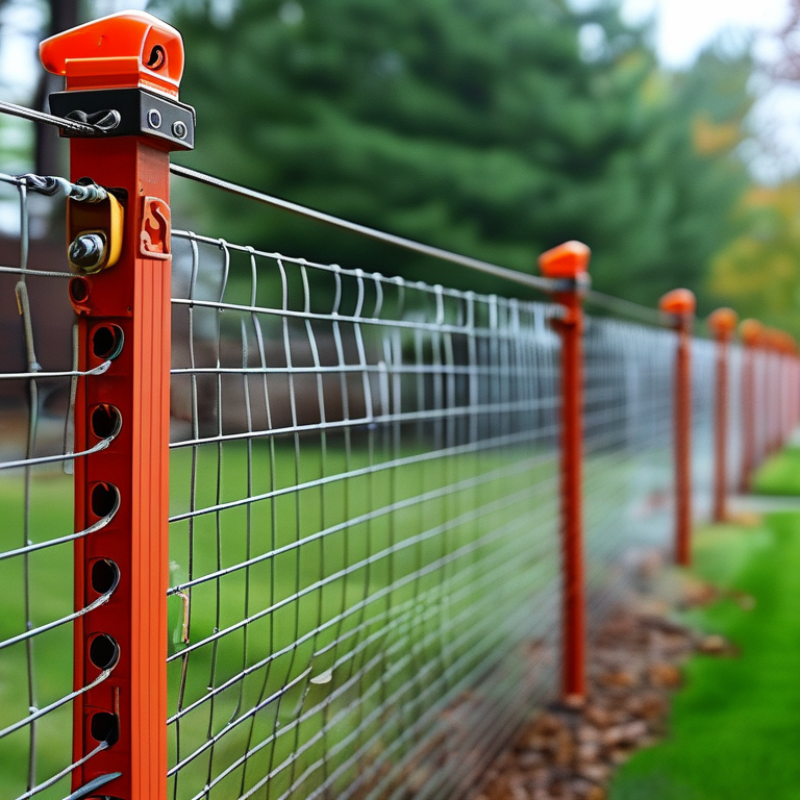
Cable fencing has become a popular choice for property security and safety. With its flexibility and strength, it offers a reliable barrier that can deter potential intruders. Industry studies indicate that properties with secure fencing see a significant reduction in unauthorized access. A report from the Security Industry Association found that well-secured properties are 50% less likely to experience burglaries.
One of the distinct advantages of cable fencing is its visibility. Unlike solid fences, which can obstruct views, cable fencing allows for line of sight while maintaining a secure environment. This feature promotes natural surveillance, making it difficult for intruders to approach unnoticed. According to a survey conducted by the American Society for Industrial Security, properties that maintain a visual connection to their surroundings are viewed as safer.
While cable fencing is effective, its maintenance is crucial. Environmental factors can weaken the integrity of the cables over time. Regular inspections are necessary to ensure that tension levels remain adequate. Neglecting this can lead to vulnerabilities, allowing breaches despite the initial security benefits. It’s essential for property owners to remain vigilant and proactive in their maintenance routines.
Durability and Longevity of Cable Fencing Materials
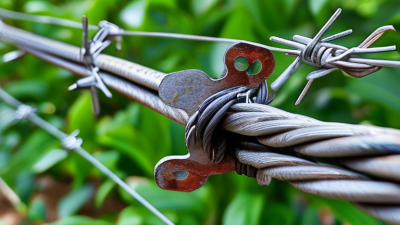
Cable fencing stands out for its durability and longevity compared to traditional fencing options. According to the American Society of Civil Engineers, cable fencing made from stainless steel or galvanized steel can last over 30 years with minimal maintenance. Its resistance to corrosion and weather-related damage makes it a smart choice for various climates.
In addition to weather resistance, cable fencing holds a significant strength-to-weight ratio. This feature means it can withstand high winds and heavy loads. The International Code Council states that properly installed cable fences can endure forces of up to 1,500 pounds. While the initial installation may seem more complex, the long-term benefits justify the investment. Many property owners have reported reductions in replacement and repair costs over time.
However, choosing cable fencing does come with considerations. Like all materials, it can be subject to wear and tear. Regular inspections are necessary to ensure the cables remain taut and secure. Property owners should also be mindful that while cable fences offer an open aesthetic, they may not provide the same level of privacy as solid fencing. This aspect may require additional plantings or screens for those seeking more seclusion.
Aesthetic Appeal: How Cable Fencing Enhances Property Value
Choosing cable fencing for your property is an aesthetic choice that can elevate its overall value. The sleek and modern look of cable fencing provides an unobstructed view of your landscape. The minimalist design complements various architectural styles, making it a versatile option for homeowners. This type of fencing enhances the visual appeal without overpowering the natural surroundings.
Creating a memorable space involves careful planning. Consider the color and material of your cable fencing. Stainless steel cables paired with wood or composite posts can create a striking contrast. Additionally, incorporating greenery around the fence can soften its appearance. Don't hesitate to experiment with patterns to add uniqueness.
Regular maintenance can prolong the life of your cable fencing. Check for any rust or wear at least twice a year. Keeping cables taut ensures durability and safety. Think about the environment too. Cable fencing can blend seamlessly with natural landscapes, promoting a sustainable aesthetic. It encourages you to reflect on how your property interacts with nature. Your choice should enhance the overall environment.
Cost-Effectiveness of Installing Cable Fencing
When considering the cost-effectiveness of cable fencing, several factors come into play. According to a report from the American Fence Association, cable fencing can be significantly less expensive than traditional wood or vinyl options. The initial investment for cable fencing ranges from $1,500 to $3,000 for a standard residential setup. In contrast, a wood fence can cost upwards of $4,000. This price advantage makes cable fencing an appealing choice for budget-conscious homeowners.
Maintenance is another key factor. Cable fencing typically requires minimal upkeep. A study from the National Association of Home Builders shows that homeowners save approximately 30% on maintenance costs with cable fencing compared to traditional options. This is due to its durable materials resistant to rot and pests. However, it's essential to acknowledge that while cable fencing is often praised for its strength, its appearance may not appeal to everyone. Some homeowners may find it less visually appealing compared to wooden or ornamental fences.
Finally, installation costs also influence overall value. A professional installation of cable fencing usually costs around $10 to $20 per linear foot. While installation prices vary by region, this estimate reflects a competitive edge over more labor-intensive fence types. Homeowners should assess their unique needs and preferences before committing to cable fencing. Balancing cost against aesthetic appeal and long-term maintenance is crucial in making an informed decision.
Environmental Considerations and Sustainability of Cable Fencing
Cable fencing is gaining popularity for its sustainability and minimal environmental impact. Unlike traditional fencing materials, cable fencing utilizes less raw material and is often made from recycled steel. This means fewer resources are consumed, reducing the overall carbon footprint associated with manufacturing new materials. Additionally, cable fencing is lightweight and easy to install, which decreases energy use during setup.
Another key aspect of cable fencing is its longevity. Durable materials resist wear and tear better than wood or plastic options, which need frequent replacement. This long lifespan leads to less waste over time. However, it's essential to consider that the aesthetic appeal of cable fencing may not suit every property. Some may prefer a more rustic or traditional look, potentially overlooking the environmental benefits of cable.
Using cable as a fencing solution also encourages biodiversity. Its design often allows wildlife to move more freely, unlike solid fences that can block animal paths. This can foster a healthier ecosystem on your property. Nonetheless, individuals should weigh these environmental advantages against their personal preferences and property requirements. Reflecting on these choices is vital for making informed, sustainable decisions.