How to Choose the Best Multi Circuit Smart Meter for Your Needs?
Selecting the right Multi Circuit Smart Meter is crucial for efficient energy management. Expert electrician, John Smith, emphasizes, "The right meter can make a significant difference in energy consumption tracking." This highlights the importance of understanding your specific needs before making a decision.
A Multi Circuit Smart Meter provides detailed insights into energy usage across multiple circuits. This technology allows users to monitor their consumption in real-time, promoting smarter energy practices. However, not every meter is suitable for every application. It is essential to consider factors like compatibility, installation requirements, and data monitoring capabilities.
Understanding these aspects can feel overwhelming. Many users may not know where to begin. Reflecting on your energy habits is the first step. Evaluate which features align with your energy goals. The best choice should offer a balance between functionality and usability, ensuring that it fits seamlessly into your daily routine.
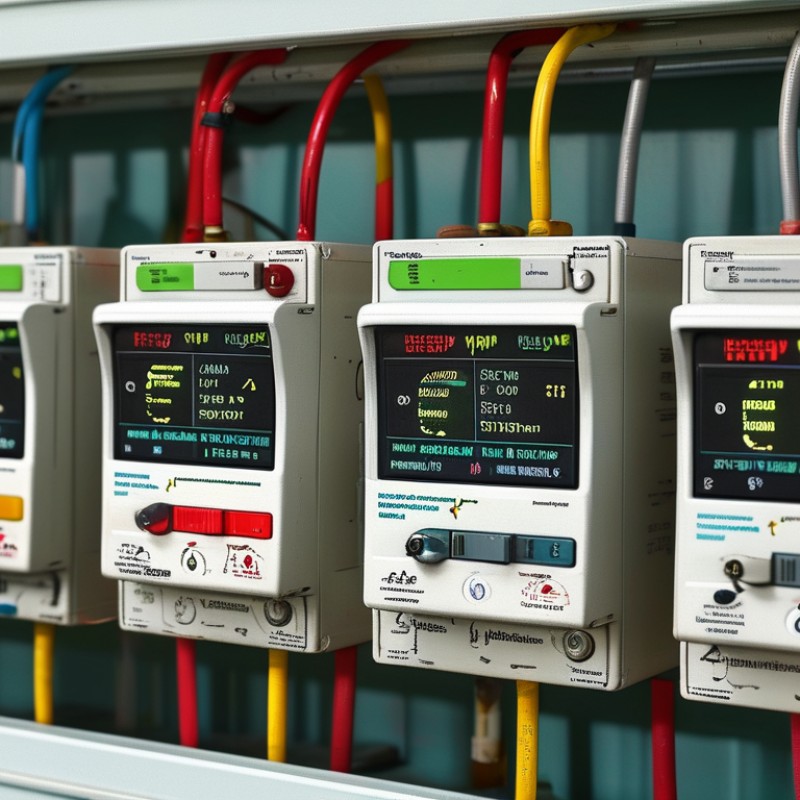
Understanding Multi Circuit Smart Meters: Key Features to Consider
When selecting a multi circuit smart meter, it is essential to understand its key features. These devices monitor energy consumption across multiple circuits. They help in identifying power usage patterns, crucial for both home and industrial applications. Look for meters that provide detailed analytics for better decision-making.
One important feature to consider is data accessibility. Ensure the meter offers intuitive dashboards. Real-time data access can enhance energy management. A user-friendly interface makes it easier to analyze consumption trends.
Tip: Before purchasing, review the installation process. Some meters require professional installation, which can add costs.
Another factor is compatibility with existing systems. Check if it integrates well with your current electrical setup. This will help avoid technical issues later. Also, look at communication protocols. A meter that offers Wi-Fi or Ethernet options provides more flexibility.
Tip: Seek feedback from other users. Online reviews can highlight potential shortcomings or benefits.
Investing time in understanding these features can lead to better energy management. Evaluate your specific needs before making a choice. Reflect on how a meter can fit into your energy goals. Be aware that not every feature may be necessary for you.
Assessing Your Power Monitoring Needs for Effective Meter Selection
Assessing your power monitoring needs is crucial when selecting a multi circuit smart meter. Begin by identifying your energy consumption patterns. Are you tracking usage for an entire home or a commercial space? This understanding shapes your meter choice. A meter with multiple channels offers more granular data. It helps you monitor various circuits separately, revealing insights about energy hogs.
Consider how detailed you want your data tracking to be. Some meters provide real-time feedback while others offer daily summaries. If you're keen on precise energy management, opt for devices that sync with smart home systems. This allows for remote monitoring and control. Keep in mind that not all meters suit every setup. Some features may not align with your needs or budget.
Lastly, think about installation requirements and compatibility. Some smart meters require professional installation, while others are DIY friendly. Check if the meter is compatible with your existing electrical system. A mismatch could lead to wasted investment. It’s important to weigh all these factors carefully. The right choice should not only meet your current needs but should also be adaptable for future demands.
Comparing Different Types of Multi Circuit Smart Meters Available
When considering a multi circuit smart meter, it’s important to understand the various types available. Each type serves different functions and is tailored for specific purposes. Some models focus on energy consumption tracking, while others offer real-time monitoring. That distinction can drive your decision-making process.
Wireless multi circuit meters provide convenience for remote monitoring and management. They can help save time and improve energy efficiency. However, you might encounter connectivity issues in certain areas. On the other hand, wired meters offer reliability and stability. They typically endure harsh environments but can be more challenging to install. Assessing the installation needs is crucial.
Consideration of the meter's features is vital. Some offer advanced analytics, while others may come with a user-friendly interface. However, the complexity of features can overwhelm users. Picking a meter that matches your expertise level is key. You might feel tempted to choose the most advanced option, but ensure it meets your specific needs, not just your desires.
How to Choose the Best Multi Circuit Smart Meter for Your Needs?
| Feature | Type A | Type B | Type C |
| Number of Circuits | 4 | 8 | 12 |
| Wi-Fi Connectivity | Yes | No | Yes |
| Real-Time Monitoring | Yes | Yes | No |
| Mobile App Support | Available | None | Available |
| Energy Usage Reports | Weekly | Monthly | Hourly |
| Price Range | $100 - $150 | $80 - $120 | $120 - $200 |
Evaluating Compatibility with Existing Electrical Systems and Equipment
Choosing the right multi circuit smart meter requires careful consideration, especially regarding its compatibility with your existing electrical systems and equipment. Many meters on the market are designed to meet various needs, but not all will work seamlessly with your setup. Conducting a thorough compatibility assessment will save you time and hassle in the long run.
One key aspect is to check the voltage and current ratings of your current systems. Ensure the smart meter can handle the electrical load without causing issues. Look for specifications that detail these ratings. Additionally, evaluate communication protocols. Your smart meter should integrate well with your existing network, whether it's Wi-Fi, Zigbee, or another method. Mismatched protocols can lead to poor performance or data loss.
Tip: Analyze your current electric load. This can help you avoid overloading the new meter and ensure its longevity.
Another vital factor is the physical dimensions of the meter. Ensure it fits in the available space and meets installation requirements. Sometimes, users overlook spatial constraints and end up with meters that don't fit their panels. Measure the installation area before making a decision.
Tip: Consult a professional electrician for insights on compatibility. Their expertise can help you avoid costly mistakes.
Cost Analysis: Budgeting for Your Multi Circuit Smart Meter Investment
When considering the investment in a multi circuit smart meter, cost analysis plays a crucial role. The average price of these devices can range from $100 to $300, depending on features and capabilities. A recent industry report indicates that installations for these meters can cost up to $1,000, especially when complex circuitry is involved. Careful budgeting is necessary to avoid unexpected expenses.
Maintenance costs are another factor to weigh. According to a study by the Smart Energy Alliance, ongoing maintenance can add between 5% to 10% of the initial purchase price yearly. This aspect is often overlooked. It’s essential to factor in potential repairs or software updates over the meter's lifespan.
Consider the long-term savings from reduced energy waste. Many users report a 20% reduction in their bills after installing smart meters. However, actual savings can vary widely based on usage habits and local utility rates. Balancing upfront costs with potential savings requires foresight and planning. An impulsive purchase may lead to regret.