How to Choose the Best Cable Railing Hardware for Your Home?
Choosing the right cable railing hardware can significantly impact your home’s aesthetics and safety. Jason R. Anderson, a leading expert in railing solutions, once stated, “Quality hardware makes all the difference in both function and design.” This emphasizes the importance of selecting the best options available.
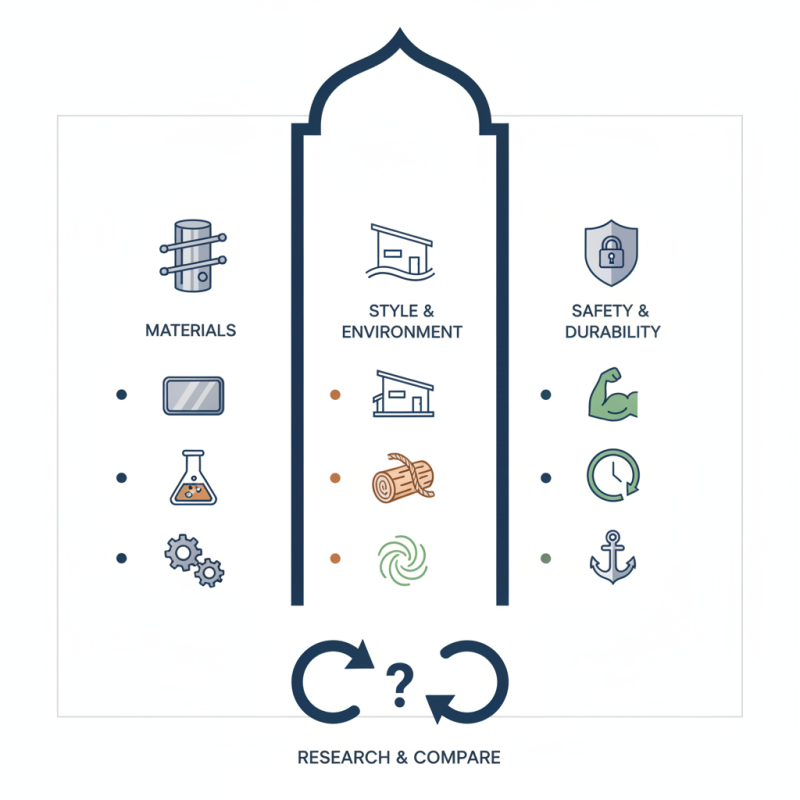
When exploring cable railing hardware, consider various factors. Materials, strength, and corrosion resistance are critical. Stainless steel options provide durability and a sleek look. However, not all products are created equal, and some may underperform over time. It’s essential to research and compare products before making a choice.
Cable railing hardware must align with your home's style and the environment. A modern home may benefit from minimalist designs, while rustic homes might require different aesthetics. Being aware of your specific needs can help narrow your choices. Reflect on what truly complements your space while ensuring safety and reliability.
Understanding the Different Types of Cable Railing Hardware Available
When choosing cable railing hardware, understand the various types available. There are different materials to consider, such as stainless steel, aluminum, or plastic. Each material has its benefits and drawbacks. Stainless steel is durable and resistant to corrosion, but it may require regular maintenance. Aluminum is lightweight but may not withstand harsh weather conditions.
Different cable thicknesses can also affect your selection. Thicker cables offer more strength, while thinner ones can create a sleek, modern look. Keep in mind, however, that thinner cables might sag over time. There's a balance to strike between aesthetics and structural integrity. Additionally, consider the type of fittings, such as tensioners or terminals. The right fittings ensure your cables are secure and properly tensioned.
Finally, think about your installation method. Some hardware is easier to install than others. If you're not a DIY expert, it may add complications. Consider hiring a professional if the task seems daunting. Reflect on your long-term needs before making a choice, as your hardware will influence the overall look and safety of your home.
How to Choose the Best Cable Railing Hardware for Your Home? - Understanding the Different Types of Cable Railing Hardware Available
| Type of Hardware |
Material |
Installation Difficulty |
Cost Range |
Durability |
| Toggle |
Stainless Steel |
Moderate |
$50 - $100 |
Excellent |
| End Stoppers |
Aluminum |
Easy |
$25 - $60 |
Good |
| Terminal Posts |
Steel |
Moderate |
$75 - $150 |
Very Good |
| Cable Tensioners |
Brass |
Easy |
$30 - $75 |
Good |
| Corner Connectors |
Stainless Steel |
Challenging |
$40 - $90 |
Excellent |
Key Factors to Consider When Choosing Cable Railing Hardware
When selecting cable railing hardware, several key factors come into play. One major consideration is the materials used in manufacturing. Stainless steel is widely recommended because of its durability and resistance to corrosion. According to industry reports, about 75% of railing systems utilize stainless steel due to its longevity in outdoor settings. Choosing a high-quality material can minimize maintenance needs and extend the lifespan of your railing.
Another crucial factor is the compatibility of hardware with different installations. Depending on the type of posts and the configuration of your deck or balcony, you may require specific fittings. Research indicates that over 30% of DIY errors in cable railing setups stem from mismatched or inadequate hardware choices. Focusing on precise measurements and proper fitting is essential to achieving the best results.
Additionally, consider the design and aesthetic appeal of the hardware. Sleek, modern designs can elevate the visual appeal of your space. However, striking a balance between aesthetics and functionality is vital. An appealing system should still meet safety standards and provide effective support. Many homeowners overlook this aspect, leading to regret when the final installation doesn’t meet their initial vision.
Comparison of Key Factors in Choosing Cable Railing Hardware
This bar chart illustrates the key factors to consider when selecting cable railing hardware for your home. Each factor is rated based on its importance, helping homeowners to prioritize their choices effectively.
Material Options for Cable Railing Hardware: Pros and Cons
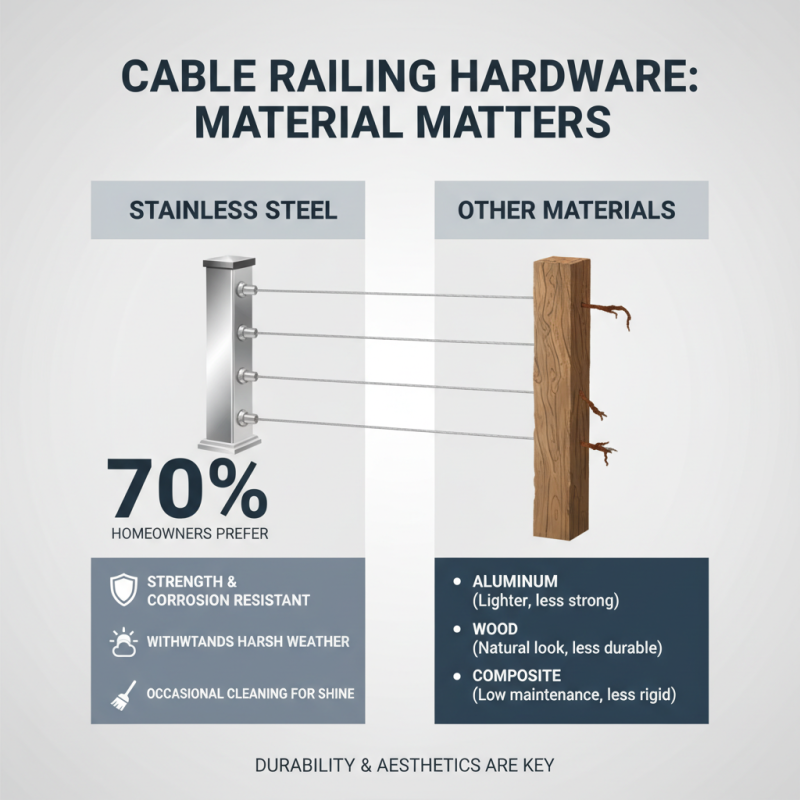
When selecting cable railing hardware, material choice greatly impacts durability and aesthetics. Stainless steel is a popular option known for its strength and resistance to corrosion. According to industry reports, about 70% of homeowners prefer stainless steel for its longevity. It can withstand harsh weather without degrading, making it ideal for outdoor environments. However, it may require occasional cleaning to maintain its shine.
Another option is aluminum. This material is lightweight and affordable but less durable than stainless steel. It can show signs of wear over time, especially in coastal areas. About 30% of builders report that aluminum cable railing is easier to work with due to its lighter weight, but it may rust if not properly coated.
Tips: Always consider the local climate when choosing materials. Humid areas may benefit more from stainless steel. Additionally, think about maintenance. Opt for materials that require less upkeep to save time and effort. Keep in mind that while affordability is essential, prioritizing quality can prevent future costs. Make informed choices to enhance your home’s safety and appearance.
Installation Requirements and Compatibility with Existing Structures
Choosing the right cable railing hardware requires careful consideration of installation requirements and compatibility with your existing structures. Before purchasing, assess the material of your railing posts. Wood, metal, or composites may dictate specific hardware choices. Compatibility ensures that the hardware fits seamlessly with your current setup. Hardware that doesn't match can lead to instability and safety issues.
Here are some tips: Measure twice before cutting. Accurate measurements avoid unnecessary mistakes. Always check local building codes. They can vary and affect your choices.
Consider the environment where you will install the railing. If you are near the coast, resistant materials are necessary. Corrosion can weaken your structure quickly. Finally, ensure that your chosen hardware is simple to install. Complicated installations often lead to frustration and errors. Keep it straightforward for the best results.
Maintenance Tips for Ensuring Longevity of Cable Railing Hardware
When it comes to cable railing hardware, maintenance is key. Experts suggest that proper care can extend its lifespan significantly. According to a report by the American Society for Testing and Materials, well-maintained railings can last up to 30 years. Here are some practical maintenance tips to ensure longevity.
Regularly inspect your cable railings for signs of wear. This includes checking the tension of the cables. Cables that are too loose can sag, while those that are too tight may snap. Tightening or loosening cables as needed is essential. Also, clean the hardware regularly to prevent corrosion. Use a gentle cleaner and a soft cloth. Harsh chemicals can cause damage.
Don’t forget about the posts and fittings. They need attention, too. Inspect for rust or discoloration. Some experts recommend lubricating the moving parts. This simple step can enhance performance. Neglecting these details can lead to bigger problems down the line. Consider setting a schedule for these checks. Consistency is vital in maintenance.