How to Choose the Right Steel Cable for Your Needs?
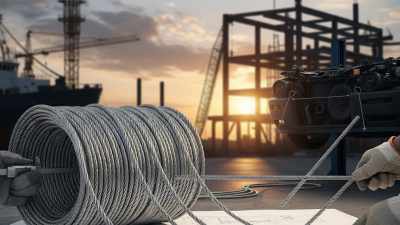
Choosing the right steel cable is crucial for various applications. Whether for industrial use, construction, or recreational activities, understanding the specific needs is essential. Steel cables come in many types, sizes, and strengths. The selection process may seem daunting.
Consider the load capacity. A cable must handle the weight of the intended task. For example, a lifting application will require a different strength compared to a cable used for towing. Additionally, the environment where the cable will be used matters. Exposure to moisture can lead to corrosion, affecting durability.
It's also important to reflect on the cable's flexibility and ease of handling. A cable that is too stiff may be difficult to work with. Take time to research and consult professionals. Their expertise can guide you in choosing the best steel cable for your specific needs. This decision can greatly impact efficiency and safety in your projects.
Understanding Steel Cable Types and Their Applications
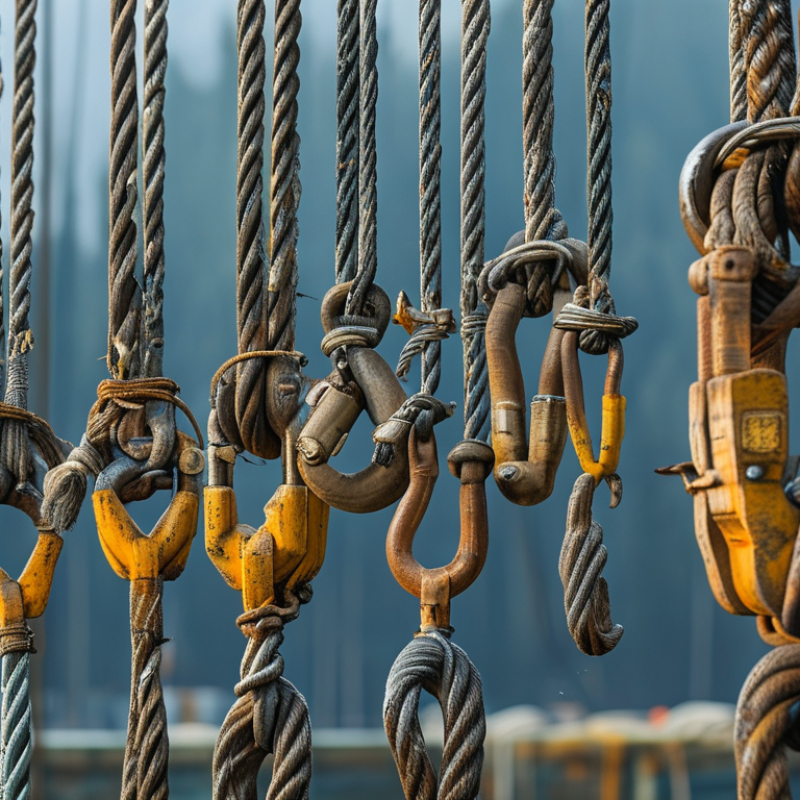
When selecting steel cables, understanding their types and applications is crucial. There are various kinds of steel cables, each designed for specific functionalities. For example, wire ropes are commonly used in heavy lifting applications. They have a high tensile strength, making them suitable for cranes and construction projects. However, they can be heavy and cumbersome, requiring careful handling to avoid injuries.
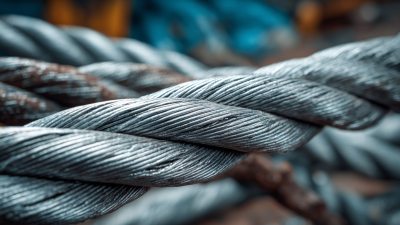
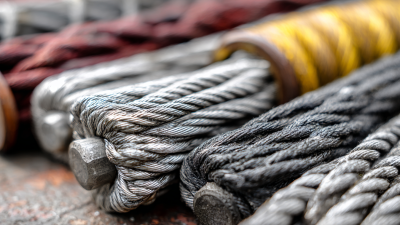
Steel cables also differ in construction. Some have multi-strand designs, while others feature solid strands. Each type offers distinct advantages. Multi-strand cables are more flexible, allowing for easier maneuverability. They can handle dynamic loads better than solid strand cables, which tend to be stiffer and less forgiving. This flexibility is essential in situations where the cable is regularly subjected to bending or twisting.
Consider the environment as well. Exposure to moisture, chemicals, or extreme temperatures can affect the cable’s longevity. Additionally, the right choice often depends on the specific load requirements and safety factors. A steel cable that works well in one application might not be suitable for another. Balancing these factors requires technical knowledge and careful consideration for optimal performance.
Steel Cable Types and Their Applications
This bar chart illustrates the percentage distribution of different types of steel cables and their applications. Wire ropes are the most commonly used, followed by cable assemblies and aircraft cables.
Evaluating Load Capacity and Strength Requirements
Choosing the right steel cable begins with understanding its load capacity and strength. Load capacity indicates how much weight a cable can safely bear. This is critical for safety in various applications, from industrial use to personal projects. Each application may demand different load specifications, and knowing the requirements can prevent failures.
When evaluating strength, consider the type of steel used in the cable. A higher-grade steel usually offers more strength under stress. However, a stronger cable might be heavier and less flexible. This trade-off may impact your project. Take a close look at the environment too. Outdoor applications expose cables to weather, which can weaken them over time. Durability must align with your specific needs.
Reflect on your choices as well. Do you often overestimate the load? This can lead to poor decisions. Sometimes, a lower-rated cable may suffice for lighter tasks. Properly assessing not just the visible requirements but also understanding the nuances of load strength will help you select the appropriate cable. Seek advice when unsure. Expertise often comes from experience and can guide you effectively.
Considering Cable Diameter and Flexibility Factors
When selecting a steel cable, two critical factors are diameter and flexibility. The cable's diameter significantly impacts its strength and weight. Thicker cables offer higher tensile strength but can reduce flexibility. Conversely, thinner cables may be lighter but less robust, affecting their performance in demanding applications.
According to industry reports, a cable with a diameter of 1/4 inch can support a load of up to 1,000 pounds, but a 1/8 inch cable would only support around 400 pounds. This data highlights the importance of matching cable strength to your specific needs.
Flexibility is another crucial aspect in cable selection. In applications requiring frequent bends or twists, a more flexible cable is essential. Cables made with higher strand counts tend to offer better flexibility. However, increased flexibility may come at the cost of reduced strength.
For example, a 7x19 cable construction provides excellent flexibility for applications like winching or lifting but has lower load capacity compared to a 1x19 cable configuration. Balancing these factors ensures optimal performance.
Consider these factors when choosing your steel cable. Evaluate the specific requirements of your project carefully. A comprehensive understanding of both diameter and flexibility will guide you towards the best choice for your needs. Choosing the wrong cable can lead to unexpected failures or inefficiencies. Prioritize your project demands and safety considerations for an informed decision.
Assessing Environmental Conditions and Corrosion Resistance
Choosing the right steel cable requires a deep understanding of environmental conditions. Corrosion resistance is critical in many applications. According to the Corrosion Engineers Society, over 40% of steel failures are due to corrosion. This highlights the importance of selecting cables designed for specific environmental factors.
When installing steel cables outdoors, factors such as humidity, salt exposure, and temperature fluctuations come into play. For example, areas near the ocean experience high salt levels. This accelerates corrosion, necessitating cables with appropriate coatings, like galvanized or stainless steel. The American Society for Testing and Materials recommends a minimum of 0.2 mm thickness for protective coatings in coastal regions to extend cable longevity.
Water exposure can also impact cable choice. These cables may be suitable for submerged environments or high-moisture areas, but they must be tested for rust resistance in wet conditions. Not all steel cables are made equal in this regard. Some may perform well in dry climates but fail rapidly in humid environments. Understanding these variables can save time and money, as the wrong choice can lead to premature failures and safety hazards.
Identifying Additional Features and Safety Standards
When selecting the right steel cable, understanding the additional features is crucial. While tensile strength is important, factors like corrosion resistance and flexibility also play significant roles in performance. A cable designed for outdoor use should have a protective coating that withstands harsh weather. Look for cables with a high-grade finish, as they often provide better durability.
Safety standards are non-negotiable in choosing steel cables. Various organizations establish these guidelines to ensure user safety and product reliability. Checking for certifications can give peace of mind. A cable that meets industry standards reduces the risk of failure during use. However, not all cables advertise this information clearly, leading to potential oversight.
In some cases, the apparent strength of a cable may not reflect its true safety. Overlooking factors like abrasion resistance can lead to unsafe conditions. It’s essential to dig deeper into specifications and user reviews. Real-world experiences often reveal insights that product descriptions do not convey. Making an informed choice requires careful consideration of these aspects.
How to Choose the Right Steel Cable for Your Needs? - Identifying Additional Features and Safety Standards
| Cable Type |
Diameter (mm) |
Breaking Strength (kg) |
Number of Strands |
Coating Type |
Safety Standard |
| Multi-strand |
6 |
2000 |
6 |
Galvanized |
ISO 4906 |
| Single-strand |
10 |
3500 |
1 |
PVC |
ASTM A313 |
| Wire rope |
8 |
2800 |
12 |
Coated Steel |
EN 12385 |
| High-strength |
7 |
4000 |
7 |
Zinc |
SAE J1063 |
| Stainless Steel |
5 |
1500 |
1 |
None |
ISO 2285 |