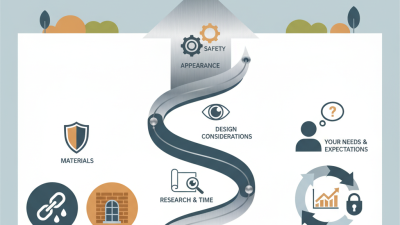
Why Choose Interior Cable Railing Systems for Your Home?
In today's modern homes, the choice of railing systems is crucial for both safety and aesthetics. Interior cable railing systems have gained popularity in recent years due to their sleek design and durability. According to Peter Thompson, a renowned specialist in architectural design, "Interior cable railing systems offer a unique blend of elegance and functionality."
These systems provide uninterrupted views, making spaces feel larger and more open. With thin cables and minimal posts, they create a contemporary look that complements various interior styles. Homeowners appreciate the safety they provide, especially in homes with children and pets.
However, it's important to consider the maintenance and installation challenges that can arise. Quality installation is essential to ensure long-lasting performance. Recognizing the balance between style and practicality is key when selecting the right railing system for your home. Interior cable railing systems can transform your space but require thoughtful consideration for optimal results.
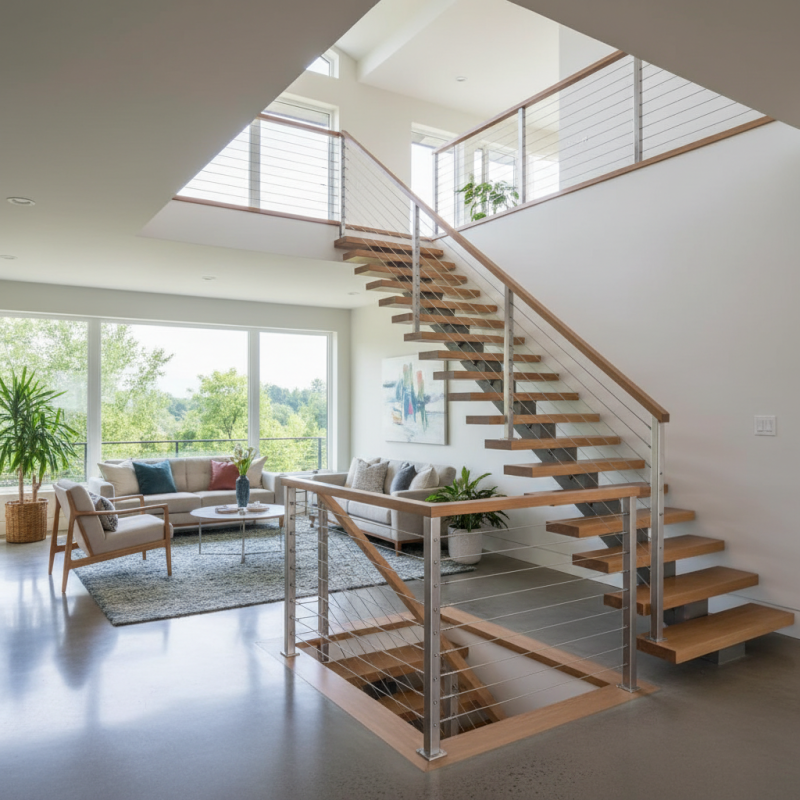
Advantages of Interior Cable Railing Systems for Modern Homes
Interior cable railing systems are increasingly popular in modern homes. They offer a sleek, minimalist appearance that enhances any interior while providing safety and support. According to a report by the National Association of Home Builders, homes with open floor plans benefit significantly from the transparency of cable railings. This design feature allows natural light to flow, creating a more spacious feel.
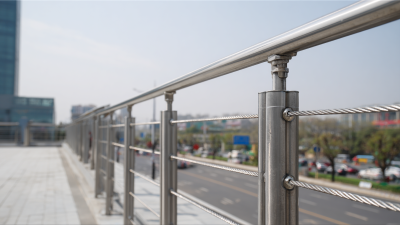
Cable railings are also versatile. They can complement various design styles, from contemporary to industrial. These systems typically use stainless steel cables and posts, ensuring durability and resistance to wear. Statistics show that homeowners often opt for cable railings due to their low maintenance and long lifespan. A study by Remodeling Magazine revealed that cable railings can recover up to 75% of their installation cost upon resale.
Tips: Consider the spacing of your cables. According to building codes, a maximum spacing of 3 inches between cables is generally required for safety. Use quality materials, as they impact the longevity and aesthetic of your railing. Reflect on your color scheme, too; contrasting colors can highlight the rails, but cohesion with other home elements could create a harmonious look.
Design Versatility: Customizing Your Space with Cable Railings
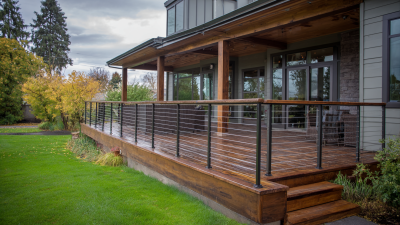
Interior cable railing systems offer remarkable design versatility, allowing homeowners to customize their spaces effortlessly. The sleek lines and modern aesthetics of cable railings enhance various architectural styles. Whether you prefer a minimalist look or something more industrial, these systems can be tailored to fit your vision.
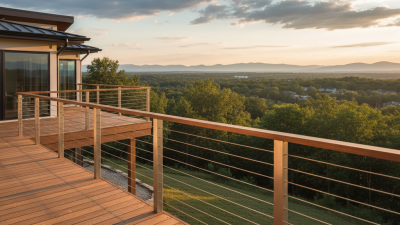
Imagine a sunlit balcony adorned with cable railings, providing unobstructed views of your landscape. You can select materials, finishes, and layouts that resonate with your personal taste. Perhaps a rustic wood frame combined with stainless steel cables will add warmth to a contemporary space. These choices can significantly elevate the overall ambiance of your home.
However, it's essential to measure the dimensions accurately. A slight miscalculation can lead to gaps that may not only affect aesthetics but also safety. Installation should ideally be handled by professionals who understand local codes and regulations. This attention to detail ensures that your customized cable railing not only looks stunning but also meets all necessary guidelines. Reflect on what truly matters in your design decisions to achieve a balance between beauty and function.
Benefits of Interior Cable Railing Systems
Safety Features of Interior Cable Railing Systems for Families
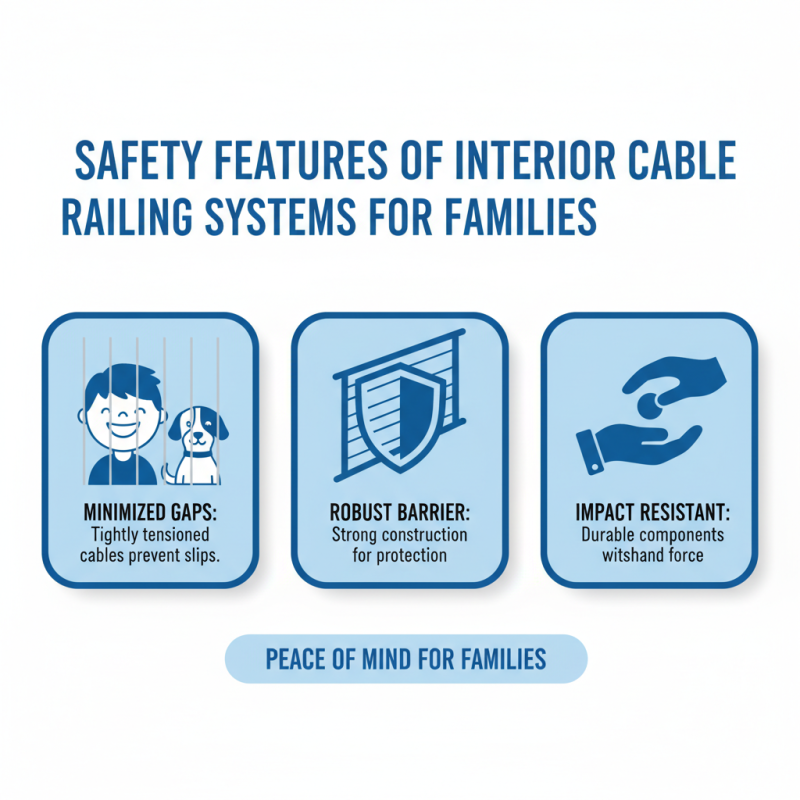
Interior cable railing systems blend safety and style, making them an excellent choice for families. These railings provide a robust barrier without obstructing views. The cables are tensioned tightly, minimizing gaps where children or pets could slip through. Each component is designed to withstand impact, ensuring that families can enjoy peace of mind in their homes.
The safety features of these systems go beyond just sturdy materials. They are made from corrosion-resistant materials, which help maintain their integrity over time. Regular inspections are necessary to ensure everything remains secure. Some families may overlook this aspect. However, small steps like checking for loose cables can prevent potential hazards. Additionally, the smooth surfaces of the cables and posts reduce the risk of splinters or sharp edges.
Interior cable railings also encourage safe behavior. Their transparency helps parents monitor children and encourages safe exploration. Parents appreciate knowing they can easily observe their little ones. This design offers versatility for various interior styles while emphasizing safety, making it a thoughtful choice for family homes.
Maintenance and Durability: Long-Lasting Solutions for Homeowners
When considering durable home features,
interior cable railing systems stand out. These railings blend style and function, providing
safety without obstructing views. Their materials resist corrosion and wear, making them suitable
for various environments. This durability means a long lifespan, saving you money on replacements.
Tips: Regularly inspect your
cable railings. Look for loose connections or any signs of wear. Keeping them tight and secure
will extend their lifespan significantly.
Installation is straightforward but requires precision. Ensure cables are evenly spaced
and taut for maximum support. Using quality materials can enhance durability. However,
some homeowners may face difficulty in maintenance if the system isn't adjusted appropriately
over time. Listening to feedback and adjusting can lead to better outcomes in longevity.
Cost-Effectiveness: Value Considerations for Installing Cable Railings
Choosing interior cable railing systems can be a smart financial decision for homeowners. According to a report by the National Association of Realtors, well-designed deck and railing systems can increase a home's value by up to 10%. This is particularly true for cable railings, which provide sleek aesthetics. Many homeowners appreciate the modern look without the hefty price tag.
The installation costs of cable railings can vary. On average, homeowners spend between $50 to $150 per linear foot. While that may seem expensive, consider the long-term benefits. Cable railings require less maintenance compared to traditional wood or metal railings. They resist rust and decay, which means you spend less on repairs. So, while the upfront cost is significant, the savings in maintenance can offset this expense over time.
However, there may be concerns. Installing cable railings might require professional assistance. Hiring professionals can cost additional fees. DIY might seem tempting, but improper installation can lead to safety issues. This is an aspect worthy of reflection. Weigh the cost against potential safety hazards. Ultimately, value considerations for cable railings should balance aesthetics, functionality, and long-term savings.