Why Choose a Gate Valve for Your Piping System?
In the world of piping systems, choosing the right components is crucial. According to industry expert John Taylor, “Gate Valves provide superior flow control in various applications.” This sentiment reflects the valuable role gate valves play in managing fluid flow.
Gate valves are known for their ability to provide a straight-line flow. This design minimizes pressure loss, making them an excellent choice in many industrial settings. They are particularly effective when a full, uninterrupted flow is essential. However, they may not be suitable for applications requiring frequent throttling.
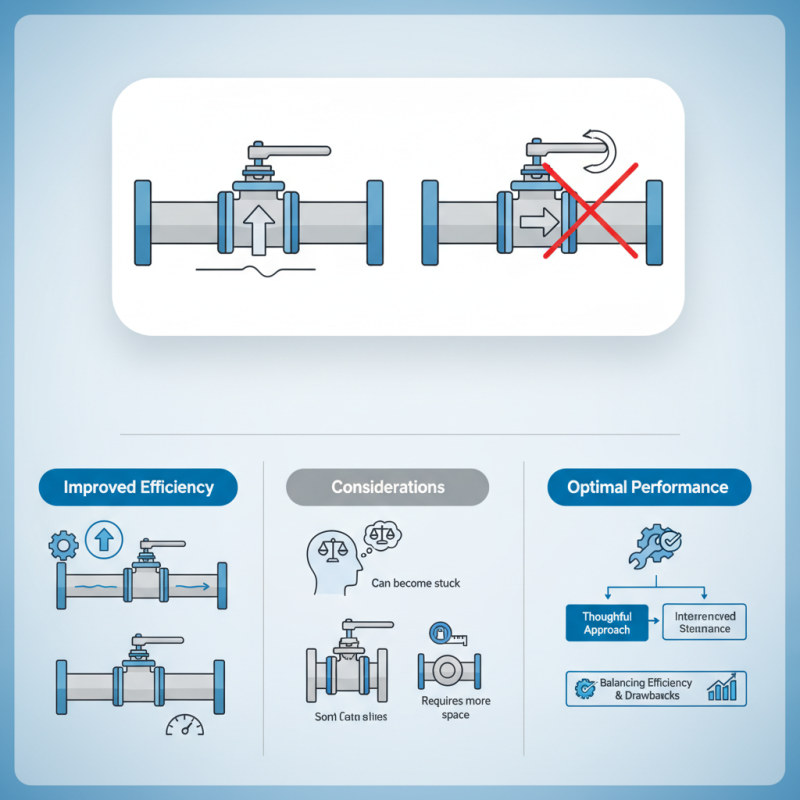
Despite their benefits, one must consider certain limitations. Gate valves can become stuck if not operated regularly. Moreover, they may require more space than other valve types. A thoughtful approach to selecting gate valves can lead to improved efficiency in your piping system. Balancing efficiency with potential drawbacks is vital for optimal performance.
The Advantages of Gate Valves in Fluid Control Systems
Gate valves are essential in fluid control systems. They provide efficient and reliable operation, especially in high-pressure applications. The primary function of a gate valve is to either fully open or fully close a flow path. This design minimizes the pressure drop across the valve and allows for optimal flow rates.
One key advantage is their durability. Gate valves can withstand high temperatures and pressures. This makes them suitable for various industries, from water supply to oil and gas. They are less prone to wear and tear compared to other valve types. However, they require proper maintenance to ensure longevity. Regular checks can help identify potential leaks or mechanical issues.
**Tip:** Always inspect your gate valves for signs of rust or corrosion. This can prevent unexpected failures.
Another benefit is their full flow capability. When fully open, the gate does not obstruct the flow. This feature proves advantageous in situations requiring maximum flow efficiency. Nonetheless, gate valves may struggle with throttling applications. Using them in such cases can lead to significant wear over time.
**Tip:** Use gate valves mainly for on/off services. Avoid using them for flow regulation to preserve their function.
Why Choose a Gate Valve for Your Piping System? - The Advantages of Gate Valves in Fluid Control Systems
| Feature | Description | Advantages |
| Flow Characteristics | Provides unobstructed flow in both directions. | Minimizes pressure drop and enhances system efficiency. |
| Durability | Constructed from robust materials suitable for harsh environments. | Long lifespan and reduced maintenance costs. |
| Sealing Capability | Provides tight sealing with minimal leakage. | Enhances safety in high-pressure applications. |
| Operation | Requires a simple upward or downward motion to open/close. | Ease of operation, suitable for remote control and automation. |
| Temperature and Pressure Range | Suitable for a wide range of temperatures and pressures. | Versatile for different industrial applications. |
Comparative Analysis: Gate Valves vs. Other Valve Types
When selecting a valve for a piping system, gate valves stand out. They provide a straight flow path, minimizing pressure loss. Their design allows for low flow resistance, leading to efficient fluid transport. In contrast, globe valves can create significant pressure drops due to their restrictive flow path. Butterfly valves are easier to operate but may not seal as effectively. Gate valves excel in on/off applications, producing minimal turbulence.
However, not all applications are ideal for gate valves. They are not suitable for throttling, as partially opened gates can cause vibration. This can damage the valve over time. Additionally, gate valves require more space for installation compared to other types. Maintenance might be a concern as well. Debris can build up in the valve and affect its performance. Regular inspection is essential to ensure reliability.
In some situations, choosing another valve type may be beneficial. For example, if frequent adjustments are necessary, a globe valve may provide better control. For quick operation, a ball valve could be more efficient. Understanding the specific needs of the system is crucial for selecting the right valve. Each valve type has its unique advantages and limitations, creating a complex decision-making process.
Industry Applications: Where Gate Valves Outperform Other Valves
Gate valves are frequently chosen for various industry applications. Their robust construction allows for dependable operation in high-pressure scenarios. In oil and gas, for example, they excel in controlling flow. The simple design means they have fewer parts that might fail over time. However, improper installation can lead to issues like leaks.
In water treatment facilities, gate valves are favored for their quick on/off capability. They minimize pressure loss and can handle significant flow rates. Despite these advantages, maintenance is crucial. Neglecting routine checks can lead to corrosion or blockages. Operators need to balance efficiency with regular upkeep to ensure longevity.
Chemical processing facilities also benefit from gate valves. Their full flow design limits turbulence, preserving the integrity of sensitive fluids. However, sometimes, users overlook the right valve size for their needs. This can impact performance and increase costs in the long run. A thoughtful approach and careful consideration are essential when choosing gate valves in any system.
Why Choose a Gate Valve for Your Piping System?
In various industrial applications, gate valves are preferred due to their efficiency in managing flow and pressure. Below is a comparison of the performance of gate valves against other valve types in different industry scenarios.
Technical Specifications: Understanding Gate Valve Design and Performance
Gate valves serve a specific purpose in piping systems. They are designed for fully open or fully closed positions. This function ensures efficient flow control. When examining gate valves, it’s essential to understand their design and performance.
The structure of a gate valve often features a wedge-shaped gate. This design allows for smooth operation and minimal pressure drop. However, if not maintained properly, issues can arise. For instance, debris could accumulate, impacting the seal. It is vital to consider the valve's materials. Different applications may require specific materials for optimal performance.
In terms of performance, gate valves excel in applications needing complete shut-off. Their ability to handle high flow rates is impressive. Yet, they are not ideal for throttling. Users should be aware of this limitation. Installing a gate valve in the wrong context can lead to inefficient results. Always assess the specific needs of your piping system before making a choice.
Cost-Effectiveness: Long-Term Savings with Gate Valve Implementations
When considering the efficiency of piping systems, gate valves emerge as a cost-effective choice. Studies indicate that the initial investment in gate valves can yield significant long-term savings. According to the American Society of Mechanical Engineers, proper valve maintenance and selection can lead to over 30% reduction in operational costs. This underscores the importance of choosing the right valve type.
Gate valves are designed for minimal pressure loss. They allow for full flow when fully opened, enhancing system efficiency. Losing pressure often leads to higher energy consumption. A report by the International Journal of Engineering Research noted that using gate valves can save around 25% on energy bills in large-scale industrial applications. This is a critical factor in an era where energy costs are rising.
Yet, it’s important to reflect on potential downsides. Gate valves are not suited for throttling purposes; they perform best when fully opened or closed. Their long-term efficacy relies heavily on regular maintenance. Neglecting this can lead to failures that may increase costs unexpectedly. Balancing these factors is crucial for achieving the best cost-effectiveness in your piping system.