What is Carbon Raiser and Why is it Important?
Carbon Raiser plays a critical role in the production of high-quality steel and aluminum. Leading expert Dr. Emily Carter, a metallurgist at Steel Innovations, emphasizes, “Carbon Raiser enhances the performance of alloys, making them stronger and more resilient.” This highlights the importance of Carbon Raiser in industrial applications.
In the manufacturing process, Carbon Raiser is used to adjust the carbon content in molten metal. By doing so, it improves the material’s overall properties. Industries continuously seek ways to optimize their production techniques. Effective use of Carbon Raiser can reduce costs and enhance end products. Yet, not every metal producer fully understands its impact.
The reliance on Carbon Raiser prompts questions. Are manufacturers fully aware of its benefits and limitations? The challenge lies in balancing quality and expenditure. As industries evolve, the importance of Carbon Raiser will remain a crucial factor in driving innovation and efficiency in metal production.
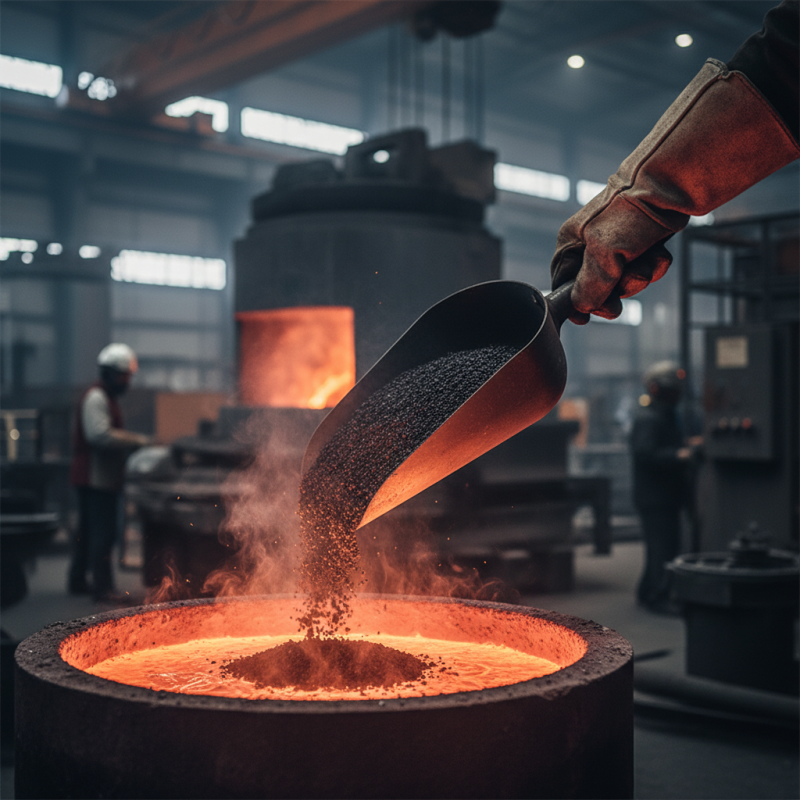
What is Carbon Raiser?
Carbon raiser is a critical material used in various industrial applications. It plays a vital role in steelmaking and foundry operations. Essentially, carbon raiser is an additive that increases the carbon content of molten metals. This process enhances the properties of the end product. For example, a study from MarketsandMarkets indicates that the global carbon raiser market is projected to reach $4.5 billion by 2025.
The importance of carbon raisers cannot be understated. In steel production, optimal carbon levels lead to better strength and ductility. Research has shown that even a small increase in carbon content can improve the mechanical properties significantly. Typically, carbon raisers come from sources like petroleum coke and charcoal. Their quality influences the overall performance of the final metal product. Yet, not all carbon raisers are created equal, and the choice of material can vary widely in terms of purity and processing.
The industry is continuously evolving, facing challenges such as cost and environmental impact. Carbon raisers must meet strict quality standards. Sometimes this leads to inconsistencies in supply. Furthermore, as companies seek sustainable alternatives, research into bio-based carbon sources is rising. This exploration reflects a critical shift in how the industry views carbon materials. Adapting to these changes will be essential for future growth.
Carbon Raiser Usage in Steel Production
The Chemical Composition of Carbon Raisers
Carbon raisers play a critical role in the production of high-quality steel and iron. The chemical composition of these additives is essential for their performance. Typically, carbon raisers contain a significant amount of carbon, often exceeding 90%. This high carbon content is crucial for enhancing the carbon levels in molten metal, leading to improved mechanical properties.
In industry reports, data suggests that the most effective carbon raisers are derived from petroleum coke, anthracite coal, or other carbon-rich materials. Each source has a distinct chemical composition influencing its efficacy. For instance, petroleum coke often has a lower ash content. This purity is important. Low ash levels help reduce impurities in steel production, a factor highlighted in various engineering studies.
Recent analyses indicate that the effectiveness of carbon raisers can vary widely. Some sources estimate that a 1% increase in carbon content can enhance hardness by 5%. However, overuse can lead to issues. An imbalance alters steel's characteristics unfavorably. Understanding the precise chemical composition and its implications helps minimize these risks and encourages better practices in the industry.
What is Carbon Raiser and Why is it Important? - The Chemical Composition of Carbon Raisers
| Component | Percentage (%) | Importance |
| Carbon | 85-95 | Main component for improving carbon content in steel and various alloys |
| Ash | 1-10 | Indicates impurities; lower ash content is preferable for higher purity |
| Volatile Matter | 0-5 | Influences combustion and heating properties |
| Sulfur | < 1 | Should be minimized as it affects the quality of alloys |
| Phosphorus | < 0.5 | Excess can lead to brittleness in steel |
Applications of Carbon Raiser in Industry
Carbon raiser is essential in several industrial applications. It primarily enhances the carbon content in steel and cast iron. This process improves the strength and durability of the final product. Steel-making industries rely heavily on carbon raisers. The quality of the final product depends significantly on the right amount of carbon used.
In foundries, carbon raisers play a crucial role. They are used to ensure that cast iron has the desired properties. For example, higher carbon content can improve ductility and tensile strength. This is vital for components like engine blocks and machinery parts. The right balance is necessary. Too much carbon can lead to brittleness, affecting performance.
Moreover, the importance of carbon raiser extends to the aluminum industry. It aids in the production of high-purity aluminum. This application is less common but offers notable benefits. Quality control is key here. Each batch must be carefully monitored to avoid defects. Relying on experienced personnel can make a significant difference.
The Importance of Carbon Raiser in Steel Production
Carbon raiser plays a critical role in steel production. It improves the carbon content in molten steel, which enhances hardness and strength. This process is essential for producing high-quality steel used in construction and manufacturing. Steel with adequate carbon is more durable, making it ideal for various applications.
Tips: Monitor the quality of carbon raisers used in your process. Impurities can affect steel properties.
Understanding the right carbon content is vital. Too much carbon can lead to brittleness. Insufficient carbon can weaken the steel. Balancing this is necessary for optimal results in steelmaking.
Tips: Conduct regular testing of your steel. Ensure the carbon levels are within acceptable range. This practice can help maintain product quality and performance.
Incorporating carbon raiser is a complex task. Different grades of steel require specific carbon levels. This variability must be managed effectively. It’s important to refine your approach regularly to achieve desired outcomes.
Environmental Considerations of Using Carbon Raisers
Carbon raisers play a significant role in various industrial processes, particularly in metallurgy. Their use can enhance the properties of steel and cast iron. However, the environmental implications of carbon raisers are complex and need attention.
The production of carbon raisers often results in the emission of greenhouse gases. A report by the International Iron and Steel Institute noted that the steel industry accounts for approximately 7% of global CO2 emissions. This figure highlights the need for sustainable practices in sourcing and using carbon raisers. Utilizing recycled materials can mitigate some of this impact. It also reduces the energy required for production, which contributes to lower emissions.
Moreover, the sourcing of raw materials for carbon raisers can lead to environmental degradation. Mining and processing activities can disrupt ecosystems and lead to soil erosion. A study from the Global Carbon Project estimated that improper resource extraction could release significant amounts of carbon into the atmosphere. This creates a paradox: while carbon raisers are vital for improving material properties, their environmental toll must be critically assessed. Exploring alternative materials or promoting better extraction practices might be essential steps forward.