2026 Best Wire Rope Options for Your Next Project?
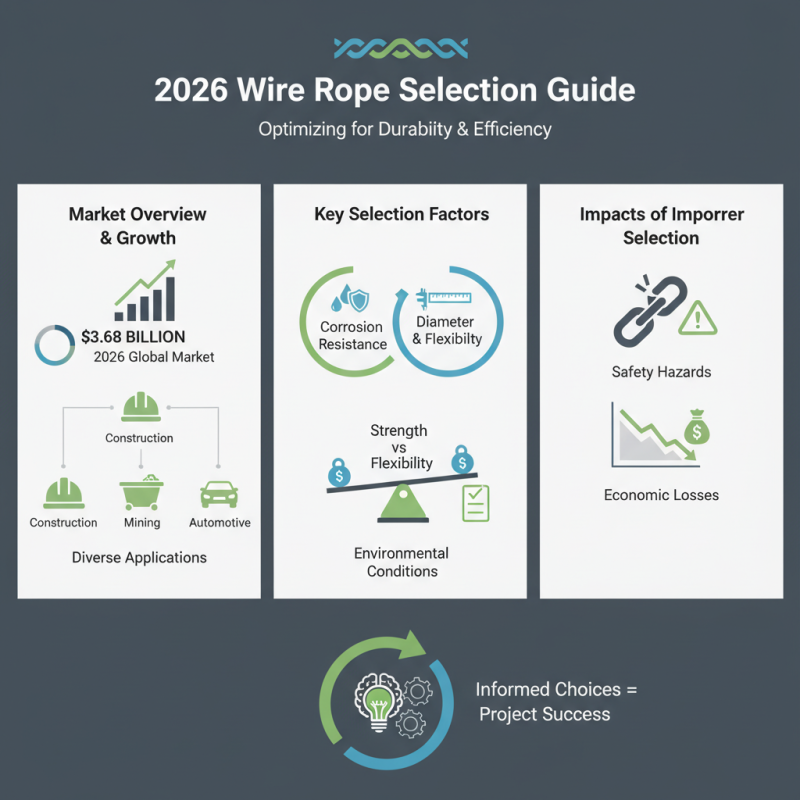
In the ever-evolving field of construction and manufacturing, selecting the right wire rope is critical. According to a recent report from MarketsandMarkets, the global wire rope market is expected to reach $3.68 billion by 2026, driven by diverse applications in sectors like mining, construction, and automotive. With advancements in material technology, innovative wire rope options are now available, catering to specific project requirements.
Choosing the ideal wire rope is not just about strength; it involves understanding the environment it will operate in. Factors like corrosion resistance and diameter play a significant role. For instance, a heavier wire rope may excel in load-bearing scenarios but could compromise flexibility. Decision-makers must weigh these trade-offs when planning projects.
Despite the extensive choices, challenges persist in identifying the optimal wire rope. Reports indicate that improper selection can lead to safety hazards and economic losses. Assessing the right features requires careful consideration and expertise. The right balance between durability and efficiency is vital to project success, making informed choices essential.
Understanding Wire Rope: Types and Uses for Various Projects
Wire rope is essential in various industries, from construction to marine applications. Understanding its types can significantly impact project efficiency. Common wire rope types include laid ropes, strand ropes, and multi-strand ropes. Each type serves different purposes. For example, multi-strand ropes are favored for lifting heavy loads, often exceeding safety limits of traditional ropes.
A report by the Wire Rope Association indicates that nearly 60% of accidents in heavy lifting are due to improper wire rope use. This statistic highlights the importance of choosing the right type of wire rope for specific tasks. Using a wire rope that’s not designed for the intended load can lead to catastrophic failures. Regular inspections are crucial. They help identify wear and potential hazards before they become serious issues.
Projects involving cranes or heavy machinery require meticulous attention to wire specifications. If the wrong type is selected, it can cause unexpected downtimes. Some professionals still overlook the importance of these details. The complexity of wire rope systems means that training is essential. A lack of understanding can result in costly mistakes. Thus, investing time and resources in selecting the right wire rope is crucial for safety and project success.
2026 Best Wire Rope Options for Your Next Project
| Wire Rope Type |
Material |
Diameter (mm) |
Break Strength (kN) |
Typical Applications |
| 6x19 |
Steel |
12 |
60 |
Construction Lifting |
| 7x7 |
Stainless Steel |
10 |
30 |
Marine Applications |
| 7x19 |
Galvanized Steel |
15 |
100 |
Elevators, Cranes |
| 8x36 |
Steel |
20 |
200 |
Mining, Heavy Lifting |
| Wire Rope Sling |
Synthetic |
Variable |
Varies |
General Rigging |
Key Factors to Consider When Choosing Wire Rope for Construction
Choosing the right wire rope for your construction project is crucial. Several factors affect its performance and suitability. First, consider the type of material. Common options include steel and synthetic fibers. Steel offers strength, while synthetic ropes are lighter and resistant to corrosion. Think about the specific demands of your project when selecting a material.
Next, evaluate the diameter and construction of the wire rope. Thicker ropes can handle heavier loads but may be harder to handle. The construction type, whether it's laid ropes or stranded ropes, impacts flexibility and durability. Each option serves different needs and conditions. Make sure to choose one that aligns with your specific project demands.
Lastly, don't overlook safety standards. Using a rope with the right certification is essential to prevent accidents. Sometimes, the cheapest option may lead to costly incidents. Investing time in research can save money and effort later. Each detail matters, even if they seem minor. Balancing budget and quality is challenging, but it’s a vital part of the selection process.
Comparison of Materials: Steel vs. Synthetic Wire Ropes
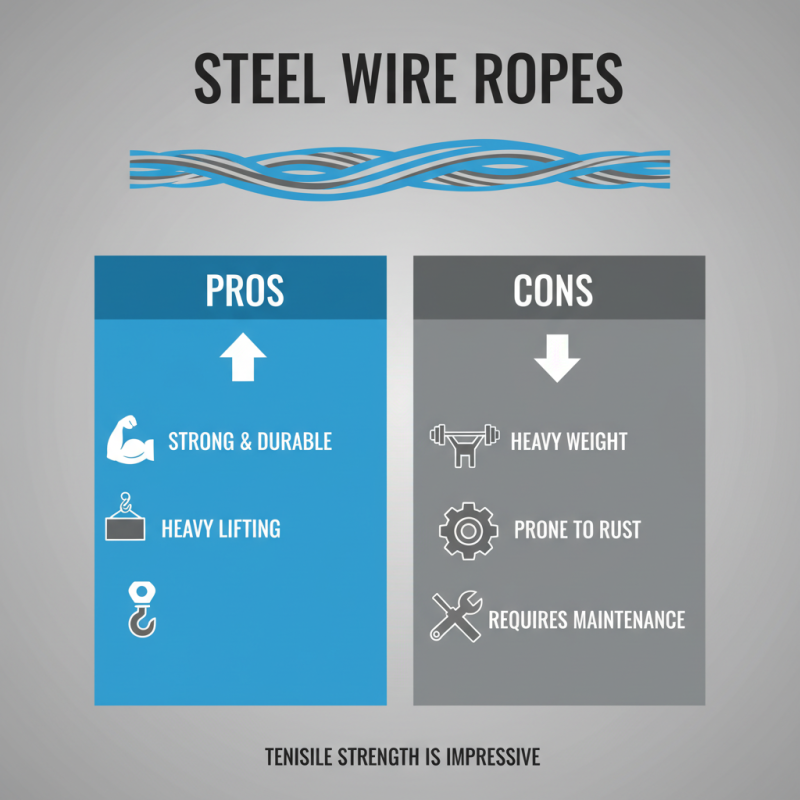
When choosing wire ropes for your project, understanding the materials is crucial. Steel wire ropes are traditional and widely used. They are strong and durable, making them suitable for heavy lifting tasks. The tensile strength of steel is impressive. However, they can be heavy and prone to rust. Regular maintenance is necessary to ensure their longevity.
Synthetic wire ropes, on the other hand, offer distinct advantages. They are lighter and easier to handle. Their resistance to corrosion makes them ideal for marine environments. Synthetic ropes are often more flexible, reducing wear on equipment. However, they can be less durable under extreme conditions. Additionally, the cost may be higher initially. Users must carefully weigh these factors before making a choice.
Both options present unique challenges. Steel wire ropes require regular inspections. Neglecting this can lead to catastrophic failures. Synthetic ropes, while easier to store, may degrade faster in harsh environments. Each material has its strengths and weaknesses that need acknowledgment. Understanding these details aids in making an informed decision for projects ahead.
Top Manufacturers of Wire Rope in 2026: A Quality Guide
When selecting wire rope for projects in 2026, many factors come into play. Quality is paramount. The right manufacturers focus on durability and performance. They utilize advanced materials and techniques. This results in stronger, more reliable wire rope. Pay attention to the specific needs of your project. Different applications require different types of rope.
Some manufacturers may have inconsistencies in their products. A thorough evaluation is essential. Look for detailed specifications and certifications. Research customer feedback and performance history. It's crucial to compare weighting capacities and resistance to wear. Some ropes might excel in certain conditions but fail in others.
Consider the source of your wire rope. Local manufacturers might offer quick delivery and support. However, they may lack the advanced technology of larger firms. Always weigh the pros and cons. Quality should never be compromised. Invest wisely for long-lasting results. A small mistake can lead to significant issues later on.
2026 Best Wire Rope Options for Your Next Project
This chart illustrates the different wire rope options based on their tensile strength, flexibility, and price. These factors are key considerations when selecting the best wire rope for various applications in 2026.
Safety Standards and Best Practices for Installing Wire Rope
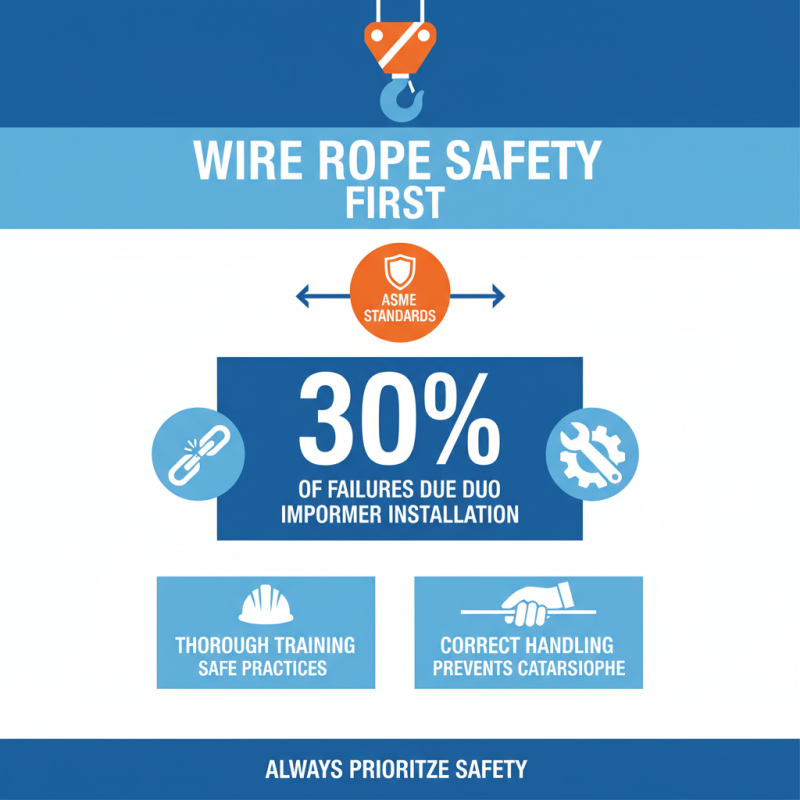
When working with wire rope, safety should always come first. According to the American Society of Mechanical Engineers (ASME), improper installation can lead to catastrophic failures. A significant 30% of wire rope failures are attributed to incorrect handling or installation methods. Workers should be trained thoroughly on safe practices.
Tip: Regularly inspect your wire rope before use. Look for kinks, abrasions, or broken strands. These issues can compromise the integrity of the rope.
Another vital aspect is ensuring all installations comply with industry standards. The Occupational Safety and Health Administration (OSHA) emphasizes that established safety standards can prevent accidents. It’s imperative to consult the latest guidelines and adapt them to your specific needs.
Tip: Always use proper equipment for installation. This includes quality connectors and safety gear. A small oversight can lead to serious consequences. Remember, safety is a continuous process. Regular training can reinforce safe practices among team members.