Best Vertical Rotary Grinder Solutions for Your Manufacturing Needs?
In the competitive landscape of manufacturing, selecting the right equipment is crucial. The **Vertical Rotary Grinder** stands out as a vital tool. It provides precision and efficiency in grinding applications. Many manufacturers struggle with choosing the best solutions for their specific needs.
Vertical rotary grinders are known for their ability to handle complex workpieces effectively. They offer uniform surface finishes and enhanced productivity. However, not all vertical grinders are created equal. Each machine comes with its own set of features and limitations. It’s essential to assess these factors to find a suitable match for your operational requirements.
Choosing the right vertical rotary grinder can be daunting. Factors such as size, power, and capabilities must be evaluated. Engaging with experienced professionals can provide valuable insights. Remember that every manufacturing environment is unique. Exploring various solutions may help in making a well-informed decision, paving the way for improved efficiency.
Overview of Vertical Rotary Grinders: Definition and Functionality
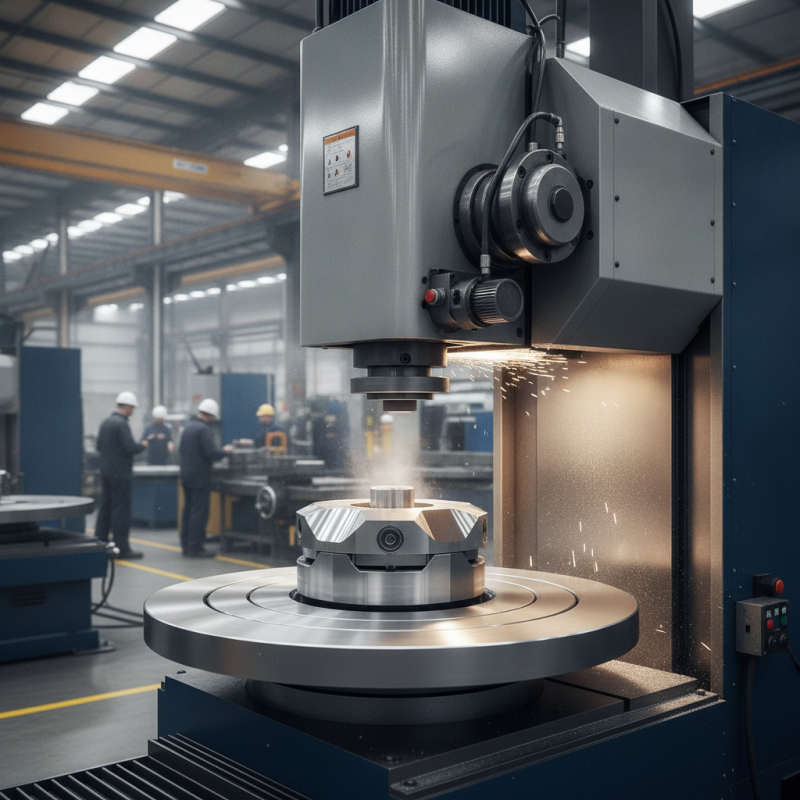
Vertical rotary grinders are essential for precision machining in various manufacturing sectors. These machines specialize in producing flat surfaces and intricate shapes through a unique grinding motion. They operate by rotating the workpiece vertically against a stationary grinding wheel. This approach allows for uniform material removal, even on larger parts.
When selecting a vertical rotary grinder, consider the size of your workpieces. Not all machines handle large components efficiently. Precision is crucial; a well-calibrated machine prevents oversights that may lead to excessive wear or scrap.
**Tip:** Regular maintenance extends the life of your grinder. Inspect the grinding wheel frequently for wear and replace it as needed.
Additionally, operator skill greatly influences performance. Training staff on best practices enhances efficiency and results. Even seasoned operators can overlook small details that affect outcomes.
**Tip:** Encourage open discussions about challenges faced during operations. This fosters a culture of continual improvement.
Choosing the right vertical rotary grinder involves understanding your specific needs. Balance machine features with operational requirements. This ensures a solution that meets your manufacturing demands without unnecessary complexities.
Best Vertical Rotary Grinder Solutions for Your Manufacturing Needs
| Model | Max Wheel Diameter | Power Rating | Table Size | Weight | Features |
| Model A | 18 inches | 15 HP | 36 x 24 inches | 1500 lbs | CNC Control, High Precision |
| Model B | 24 inches | 20 HP | 48 x 36 inches | 2000 lbs | Automatic Lubrication, High Speed |
| Model C | 30 inches | 25 HP | 60 x 48 inches | 2500 lbs | Digital Readout, Remote Control |
Key Benefits of Using Vertical Rotary Grinders in Manufacturing
Vertical rotary grinders offer a range of advantages that enhance manufacturing productivity. One primary benefit is their ability to deliver precise finishes on various materials. This precision minimizes the need for post-grinding processes. Manufacturers often notice significant time savings and reduced costs as a result. The design of vertical rotary grinders allows for efficient chip removal, promoting better performance and longer tool life.
Using vertical rotary grinders can transform workflow. They facilitate easier operation and maintenance compared to traditional grinders. Operators find them user-friendly, reducing the learning curve. This enhances safety, as employees can operate machinery with greater confidence.
Tips for effective usage include regularly inspecting the grinding wheel for wear. A worn wheel can lead to poor surface finishes and inefficiency. Additionally, maintain a clean working environment to avoid contamination. Contaminated surfaces can negatively impact the grinding process. Collective efforts towards these practices could improve overall outcomes in production settings.
Comparison of Popular Vertical Rotary Grinder Brands and Models
When it comes to vertical rotary grinders, brands vary significantly in design and functionality. Each model presents unique features that cater to different manufacturing needs. The choice often depends on the specific application and material types. Look for machines that not only offer precision but also durability.
Some models emphasize speed, while others focus on surface finish quality. It's crucial to assess how these priorities align with your production goals. User feedback is often a valuable resource for understanding the reliability of these machines. Consider warranties and support options to ensure lasting performance.
Evaluating ergonomic aspects of the grinders is also vital. Operators should feel comfortable while using the machine. Innovations may lead to better energy efficiency, yet some machines might fall short of expected productivity gains. In a competitive market, staying informed about advancements can provide a significant edge. Balancing features with real-world performance often requires careful scrutiny and honest feedback from the manufacturing community.
Maintenance Tips for Maximizing Performance of Vertical Rotary Grinders
To ensure the optimal performance of vertical rotary grinders, regular maintenance is essential. These machines are pivotal in various manufacturing processes. Neglecting them can lead to significant downtime and increased costs. Simple practices can enhance longevity and effectiveness.
One critical tip is regular inspection. Check for wear and tear on the grinding wheel. A worn wheel may lead to inconsistent finishes or overheating. Replace wheels that show signs of wear. Another important aspect is lubrication. Ensure that all moving parts are adequately lubricated. This reduces friction and prevents breakdowns during heavy usage.
Pay attention to clean components. Dust and debris can interfere with performance. Use compressed air to clear out any buildup. Regularly changing filters will also improve air flow. Overall, dedicating time to maintenance can prevent unexpected failures. Remember, every machine requires care; overlooking minor details may result in major issues down the line.
Choosing the Right Vertical Rotary Grinder for Specific Manufacturing Needs
Choosing the right vertical rotary grinder is crucial for optimizing manufacturing processes. These machines are not one-size-fits-all. Different applications require different machine features. When selecting a grinder, consider factors such as material type, size, and desired finish. Industry data shows that a tailored approach can improve efficiency by up to 30%.
Precision is key in manufacturing. For example, metalworking shops often need grinders with high accuracy for intricate parts. Reports indicate that a vertical rotary grinder can reduce part rejection rates significantly. However, they also require skilled operators to achieve optimal results. Investing in training is essential for maximizing the grinder's potential.
Additionally, maintenance plays a vital role. Regular servicing can prevent costly breakdowns. Neglecting this aspect can lead to decreased productivity. A study reveals that companies with consistent maintenance plans reduce downtime by nearly 25%. In the long run, selecting the right grinder and maintaining it properly can ensure smooth manufacturing operations.