What are the Best Uses for Stainless Steel Mesh?
Stainless steel mesh is a versatile material used across various industries. Renowned expert Dr. James White, a materials science specialist, emphasizes its significance. He states, "Stainless steel mesh combines strength and flexibility, making it indispensable." This statement reflects the mesh's wide-ranging applications.
In construction, stainless steel mesh provides structural support. Its durability ensures it can withstand harsh environments. Moreover, in the food industry, it serves as a safe filtration solution. This ensures hygiene standards are maintained effectively. Additionally, in arts and crafts, its aesthetics offer unique design opportunities.
However, challenges exist in sourcing high-quality stainless steel mesh. Not all suppliers meet the rigorous standards necessary for specialized applications. Understanding these nuances is crucial. As industries evolve, the demand for this mesh will likely increase. Exploring the best uses of stainless steel mesh can unveil endless potential.
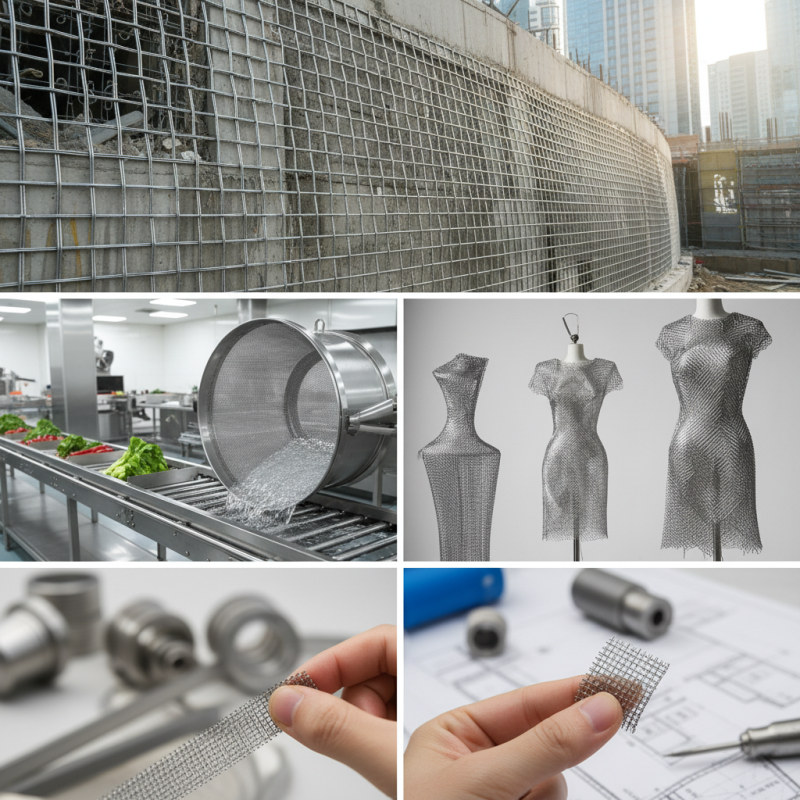
Best Applications of Stainless Steel Mesh in Various Industries
Stainless steel mesh is a versatile material, widely used across various industries. In the food and beverage sector, it serves as an effective filtration solution. According to a recent industry report, nearly 70% of food manufacturers utilize stainless steel mesh in some capacity. Its corrosion resistance ensures hygiene and durability in processing plants. This is critical, as contamination can lead to significant health risks and recalls.
In the construction industry, stainless steel mesh acts as reinforcement. It enhances the structural integrity of concrete, particularly in high-rise buildings. Professional engineers note that mesh can improve load capacity by nearly 25%. Additionally, it’s beneficial in architecture for aesthetic elements and functional barriers. It can be challenging to balance design with strength, but stainless steel often meets both demands.
In the aerospace sector, stainless steel mesh plays a critical role in safety and performance. It is used in various components, including filtration systems and sound reduction mechanisms. Regulatory bodies emphasize the importance of using reliable materials in aviation. However, the long-term effects of material fatigue remain a consideration. This highlights the need for ongoing research and testing in aerospace applications.
Best Applications of Stainless Steel Mesh in Various Industries
| Industry |
Application |
Mesh Type |
Benefits |
| Food & Beverage |
Filtration and Straining |
Woven Stainless Steel Mesh |
Corrosion resistant and easy to clean |
| Chemical Processing |
Separation and Screening |
Expanded Metal Mesh |
High durability and strength |
| Construction |
Safety Barriers |
Welded Wire Mesh |
Robust structure and visibility |
| Automotive |
Filtration Systems |
Stainless Steel Filter Mesh |
Optimal flow rate and filtration efficiency |
| Pharmaceuticals |
Process Equipment |
Micronic Mesh |
Sterilizable and biocompatible |
| Mining |
Screening and Sifting |
Heavy Duty Mesh |
High tensile strength and wear resistance |
Stainless Steel Mesh in Filtration Systems and Water Treatment
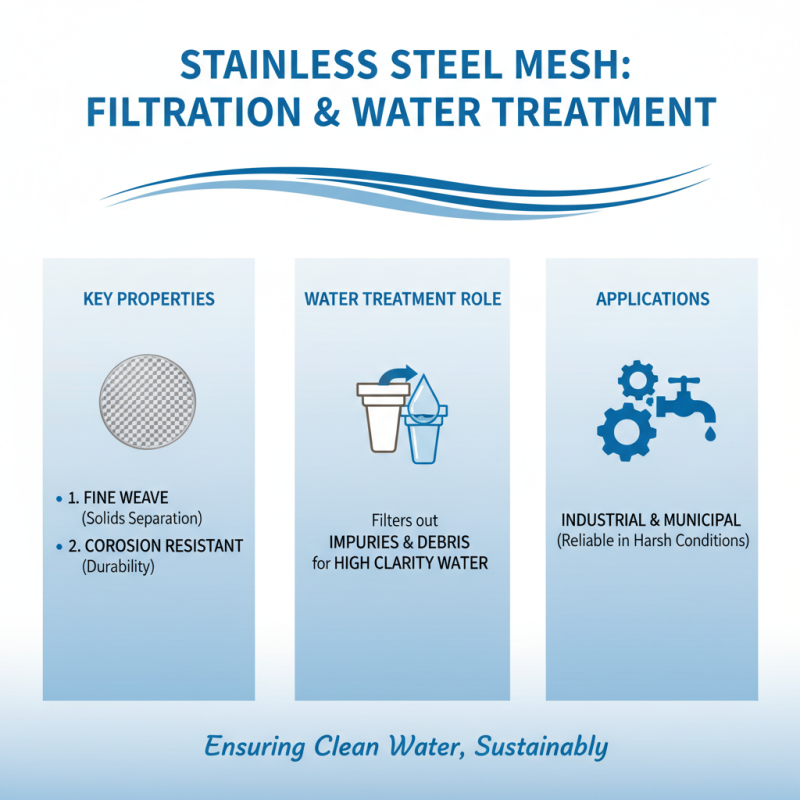
Stainless steel mesh plays a vital role in filtration systems and water treatment processes. Its fine weave and corrosion resistance make it ideal for separating solids from liquids. In water treatment, this mesh ensures high clarity by effectively filtering out impurities and debris. Its durability allows it to withstand harsh conditions, making it a reliable choice for both industrial and municipal applications.
In filtration systems, stainless steel mesh can perform multiple functions. It can serve as a primary filter and a secondary barrier, enhancing the efficiency of the system. For example, it can trap larger particles while allowing smaller ones to pass through. This layered approach often leads to improved water quality. However, the choice of mesh size and design should always reflect the specific needs of the treatment process.
Despite its advantages, there are limitations to consider. Stainless steel mesh may not remove all contaminants, especially smaller molecules. Regular maintenance and cleaning are necessary to maintain optimal performance. Over time, buildup may affect flow rates, requiring thoughtful evaluation of the filtration setup. Selecting the right mesh for each application can be challenging, but it is crucial for efficient water treatment systems.
Usage of Stainless Steel Mesh in Architectural Design and Safety
Stainless steel mesh is gaining popularity in architectural design due to its unique blend of aesthetics and functionality. Its durability makes it ideal for both interior and exterior applications. According to a report by the International Stainless Steel Forum, stainless steel can withstand harsh weather conditions, making it suitable for modern buildings. This type of mesh offers a sense of openness while ensuring safety and security, often used in facades and balustrades.
In safety applications, stainless steel mesh plays a crucial role. It is frequently utilized in security fencing and protective barriers. A recent study found that the use of stainless steel mesh can improve safety ratings by up to 30% in public spaces. Its strength can deter unauthorized access while maintaining visibility for surveillance. Proper installation is key to achieving the best results. Ensure that the mesh is securely anchored to prevent any potential hazards.
When using stainless steel mesh, consider its finish. A polished finish can enhance visual appeal, while a textured surface can provide extra grip. Always consult a professional for installation. Poor installation can lead to rust or compromise safety. Regular maintenance is vital to preserve the integrity of the mesh. A well-maintained installation can last for decades, making it a cost-effective choice.
Implementing Stainless Steel Mesh in Food Processing and Packaging
Stainless steel mesh plays a crucial role in food processing and packaging. Its durability and resistance to corrosion make it ideal for environments that handle food. The mesh can filter particles effectively, ensuring the safety and quality of the products. It maintains structure even under heavy loads, reducing the risk of contamination during processing. Using stainless steel mesh in food manufacturing helps meet strict hygiene standards.
In the packaging phase, this material is equally beneficial. It allows for breathability, which helps maintain freshness. When applied in automatic packaging lines, stainless steel mesh reduces downtime caused by equipment failure. However, reliance on this material can be a double-edged sword. Not all mesh types are suitable for every food product, and improper selection can lead to product spoilage or contamination. Therefore, careful consideration is essential when implementing stainless steel mesh solutions.
In addition to its practical uses, compliance with health regulations is paramount. Regular inspections and maintenance of mesh systems are necessary to ensure long-term effectiveness. Even a small oversight can lead to serious consequences. Decision-makers must constantly evaluate their choice of materials. Balancing efficiency and safety should always be a priority in food processing and packaging.
Stainless Steel Mesh for Industrial and Agricultural Applications
Stainless steel mesh is increasingly vital in industrial and agricultural applications. Its durability and resistance to corrosion make it ideal for various tasks. According to a recent report by MarketsandMarkets, the global stainless steel mesh market is expected to grow significantly, reflecting its rising importance in multiple sectors.
In agriculture, stainless steel mesh can be used for pest control and soil drainage. Farmers appreciate it for its strength and longevity. It helps prevent pests from damaging crops while allowing water and air to circulate. The mesh can withstand harsh environments, essential for outdoor conditions. The mesh's ability to resist corrosion is particularly beneficial in humid regions.
**Tip:** When selecting stainless steel mesh, consider the wire diameter. A thicker wire generally offers greater strength but may reduce flexibility.
In industrial settings, stainless steel mesh serves in filter applications, screens, and containment. Its versatility makes it suitable for processing, mining, and food industries. Mesh applications ensure safety and efficiency while meeting regulatory standards. The thickness and weave pattern affect filtration precision, critical for production quality.
**Tip:** Regular maintenance of stainless steel mesh can enhance its lifespan and performance. Check for signs of wear and tear, which can lead to unexpected failures.