Best Metal Cable Railing Options for Your Home Design?
Metal cable railing has become a popular choice in modern home design. According to industry reports, this option combines functionality with aesthetic appeal. With a market growth rate projected at 5.9% annually, homeowners increasingly favor metal cable railing for its sleek look and durability.
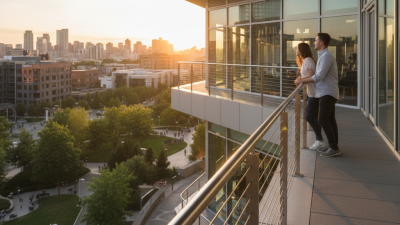
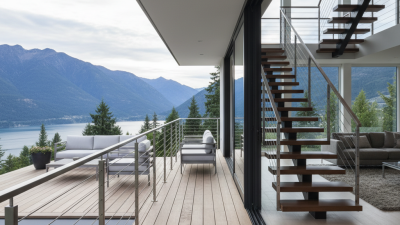
When installed correctly, metal cable railing provides safety without obstructing views. It offers a contemporary touch to decks and balconies. A survey found that 70% of homeowners choose metal cable railing for its low maintenance requirements. However, not all installations meet safety standards. Choosing poor-quality materials can lead to failures over time.
As the demand rises, many companies are emerging with various options. Homeowners must evaluate materials carefully. The best metal cable railing is not just about looks but also about safety and longevity. Investing in quality materials is crucial for lasting performance. Consider this when selecting the right railing for your home design.
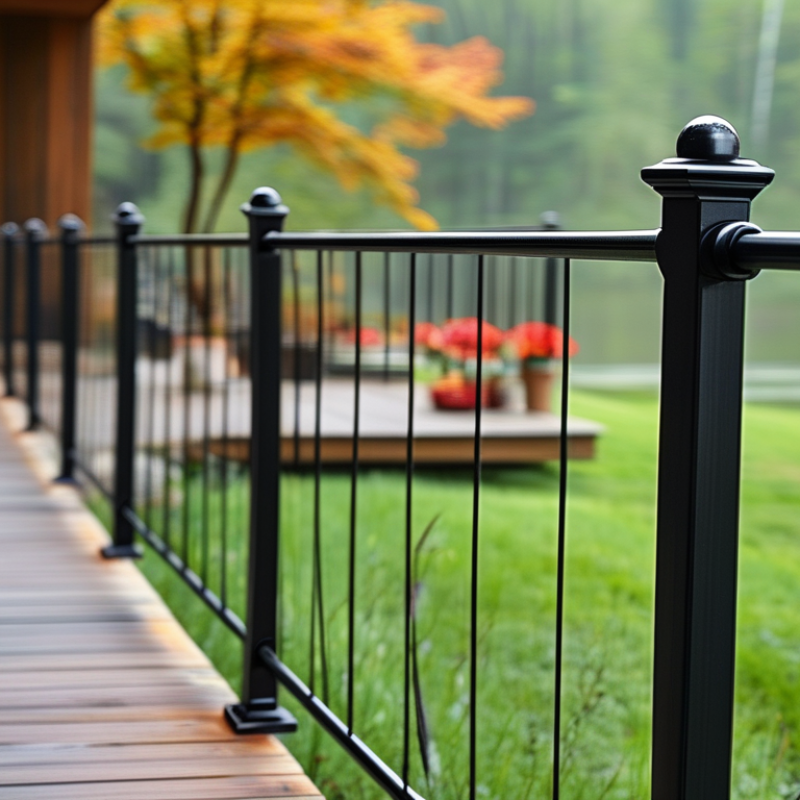
Types of Metal Cable Railing Materials for Home Design
When considering metal cable railing for home design, the choice of materials is crucial. Stainless steel is a popular option due to its durability and resistance to corrosion. It offers a sleek, modern look that complements various architectural styles. Aluminum is another alternative, known for its lightweight and versatility. It can be painted or finished to match your decor, presenting a budget-friendly solution.
However, be mindful of the long-term maintenance needs of these materials. Stainless steel may require periodic cleaning to prevent rust, while aluminum can scratch easily. Using a protective coating can minimize this risk and enhance longevity.
Choose a cable thickness that meets local codes while still offering transparency and safety. Most regulations suggest a minimum of 1/8 inch for cables. This ensures they withstand tension without compromising aesthetic appeal. Regular inspections of the cables and fittings are important to maintain safety over time.
Keep the spacing between cables in mind, too. Adequate spacing prevents small pets or children from slipping through, ensuring a secure environment. Railing systems can easily shift if not properly installed, so pay attention to the securing methods deemed safest for your home.
Advantages of Metal Cable Railings in Modern Architecture
Metal cable railings have gained popularity in modern architecture for various compelling reasons. Their sleek, minimalist design complements contemporary spaces while providing essential safety features. According to a report from the American Institute of Steel Construction, metal railings can reduce perception of bulkiness, creating a seamless flow between indoor and outdoor areas. This aesthetic advantage appeals to homeowners and architects looking to integrate nature with built environments.
Beyond appearance, metal cable railings offer durability. They resist weather-related wear and tear, outperforming wood that can warp or rot over time. A study by the National Association of Home Builders indicates that metal railings require less maintenance, saving homeowners money in the long run. However, the initial costs can be higher than traditional materials, which may lead some homeowners to hesitate. Balancing aesthetics and budget is essential for making informed choices in home design.
Safety is another significant factor. Metal cable railings are designed with robust materials that withstand high impacts. According to safety standards from the International Code Council, properly installed cable railings meet stringent safety requirements. Yet, some installations may not fully comply, posing risks. It’s crucial to hire certified professionals to ensure that railings meet local regulations and standards. Understanding these factors can lead to better design choices that align with safety and aesthetic goals.
Design Considerations for Installing Metal Cable Railings
When installing metal cable railings, consider both safety and aesthetics. The spacing between cables is crucial. You'll want to ensure it meets local building codes to prevent accidents. A common distance is four inches, but always check regulations first. Proper spacing not only enhances safety but also ensures a sleek look.
Before installation, think about your surroundings. Choose a color that complements your home’s exterior. A metallic finish can provide a modern touch, while a matte finish might suit a more traditional setting. Test samples in various lighting to see how they look throughout the day. The aim is to achieve harmony between the railings and your home design.
Installation can be tricky. Ensure your posts are sturdy and correctly anchored. If they wobble, they can compromise safety. Take your time while measuring and cutting cables. Every inch matters, as imperfections can lead to larger issues down the line. Always revisit your measurements before finalizing any cuts. Keeping a level head during installation can save you from frustrating mistakes.
Maintenance Tips for Long-lasting Metal Cable Railing Systems
Metal cable railings can elevate any home’s aesthetic. They also require proper maintenance for longevity. Regular inspections are crucial. Look for signs of wear or damage. Corrosion can develop on metal components, so keep an eye out. It is essential to address rust immediately. Cleaning your railings is another vital aspect. Use mild soap and water to avoid damaging the surface.
Ensure that you wipe down the cables and posts thoroughly. Residue can attract dirt and grime, making your railings look dull. A soft brush works well for hard-to-reach areas. Occasionally applying a protective coating may enhance durability. This step can help prevent oxidation and keeps the metal looking new.
Consider the environment around your railings. If you live in a humid area, you may need to increase your maintenance frequency. Seasonal changes could also impact your railing system. Reflect on whether your outdoor seating area is sheltered. Keeping the area clear of debris will help you maintain the railings. Overall, regular upkeep will ensure that your metal cable railings serve both function and style for years to come.
Best Metal Cable Railing Options for Your Home Design - Maintenance Tips for Long-lasting Metal Cable Railing Systems
| Material |
Durability |
Maintenance Level |
Cost Estimate ($) |
Best Use Case |
| Stainless Steel |
High |
Low |
150-300 |
Modern homes, high traffic areas |
| Aluminum |
Medium |
Low |
100-200 |
Outdoor decks, coastal areas |
| Carbon Steel |
Medium |
Medium |
80-150 |
Industrial settings, custom designs |
| Wrought Iron |
High |
High |
200-400 |
Classic homes, decorative railings |
Safety Standards and Regulations for Metal Cable Railings
When considering metal cable railings for your home, safety standards become paramount. These railings must meet specific guidelines to ensure they are both functional and secure. The height of the railing should typically be at least 36 inches. This measurement protects against falls and provides a sturdy barrier for decks and stairways. It’s essential to confirm local regulations before installation.
Installation is another critical factor. Proper tension must be maintained across the cables to prevent any sagging. This ensures that the railing remains strong and effective, making it safer for children and pets. Regular inspections of cable tightness can save you from future issues. A misaligned cable can create hazards, so it's vital to check them periodically.
Safety is everyone's concern. Choose high-quality materials that comply with relevant codes. When in doubt, consult a professional. Engaging an expert can reveal potential shortcomings in design or installation. Remember, building a beautiful home also requires thoughtful attention to safety.
Best Metal Cable Railing Options for Your Home Design