2026 Best Rotational Molding Solutions for Global Buyers?
The world of manufacturing is evolving, and Rotational Molding is at the forefront of this change. This technique allows for the creation of diverse products, from toys to automotive parts. It offers unique advantages, such as durability and design flexibility. As global buyers look for the best solutions, understanding Rotational Molding becomes crucial.
In 2026, the landscape for Rotational Molding solutions will be shaped by innovation and sustainability. Manufacturers are exploring new materials and technologies. It is essential to stay informed about these advancements. However, not all solutions are flawless. Challenges related to efficiency and cost-effectiveness persist.
Global buyers must approach Rotational Molding with a critical eye. Identifying reputable suppliers is key. Transparency and quality assurance are vital in this industry. Buyers should be prepared to ask questions and seek clarity. Engaging with experts can provide valuable insights. As the demand for sustainable products increases, the right Rotational Molding solution can make a significant impact.
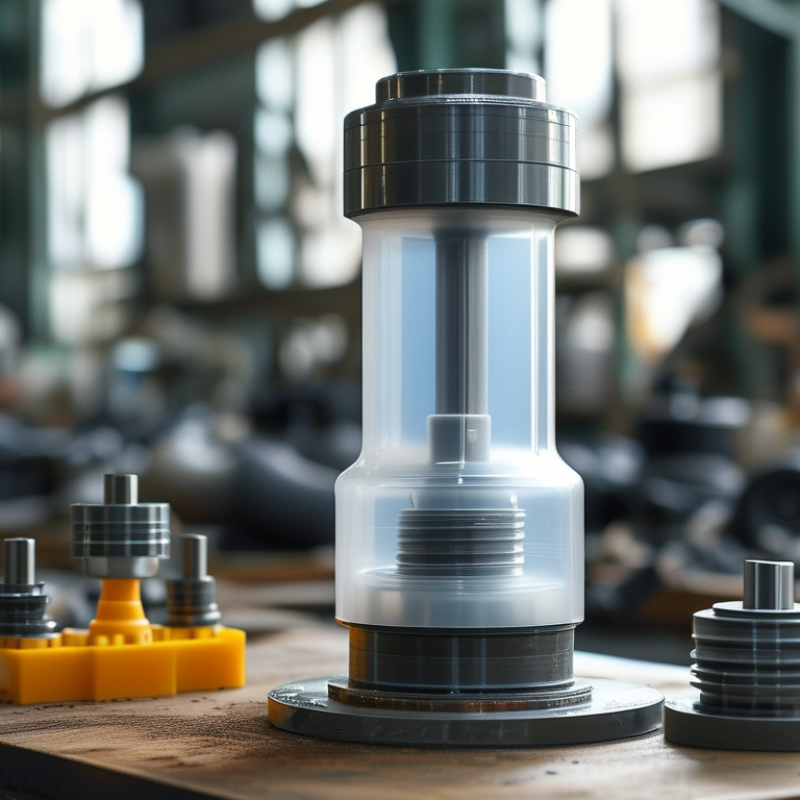
Overview of Rotational Molding: Techniques and Applications
Rotational molding is a versatile manufacturing process widely used in various industries. It enables the production of hollow parts with complex shapes. According to a report by Allied Market Research, the global rotational molding market is expected to reach $8.5 billion by 2027, driven by increasing demand for lightweight and durable products.
This technique involves heating a mold filled with plastic resin while it rotates. The resin melts and evenly coats the mold’s interior, creating a seamless product. Industries such as automotive, marine, and consumer goods utilize these molds for their unique designs and functionality. Notably, products like containers, toys, and automotive components benefit from this process. Research indicates that rotational molding can significantly reduce material waste compared to traditional methods.
Challenges do exist within rotational molding. For example, achieving uniform wall thickness can be difficult. Inconsistent heating may result in weak points in the finished product, which is a critical issue for safety-sensitive applications. Moreover, the initial cost of creating custom molds can be a barrier for small businesses. Continued innovation and improvement in techniques are essential to overcome these issues and enhance product quality.
Key Market Trends in Rotational Molding for 2026
As we approach 2026, important trends in rotational molding are shaping the landscape. The global market is expected to reach $3.5 billion by 2026, driven by rising demand from the automotive and consumer goods sectors. Innovations in materials and processes are enhancing product durability and sustainability. For instance, the introduction of bio-based polymers is gaining traction, reflecting increasing environmental concerns.
Efficient energy consumption remains a critical focus. Manufacturers are exploring new heating technologies. These innovations can reduce production costs and improve cycle times. Market reports indicate a trend towards automation as companies aim to streamline operations and enhance precision. However, investment in technology may pose challenges for smaller businesses.
Tips for buyers: Always seek suppliers that prioritize quality and innovation. Evaluate the product lifecycle costs and consider sustainable materials. Maintain awareness of market shifts, as they could significantly impact your production strategy. The rotational molding landscape demands adaptation, especially in a rapidly evolving market.
Top Materials Used in Rotational Molding Processes
Rotational molding is increasingly pivotal in various industries, thanks in part to its efficient manufacturing process and versatile applications. A key element of these processes lies in the selection of materials. High-density polyethylene (HDPE) is among the most widely used materials due to its excellent impact resistance and chemical stability. Reports indicate that HDPE accounts for approximately 45% of the materials used in rotational molding. Its lightweight nature enhances transport efficiency, making it a preferred choice for manufacturers.
Another notable material is polyvinyl chloride (PVC), known for its durability and rigidity. PVC is favored in applications requiring corrosion resistance, such as tanks and containers. Industry studies show that PVC usage in rotational molding has increased by 15% over the last five years, reflecting its growing acceptance in the market. Nonetheless, manufacturers must consider PVC’s environmental impact, as its production and disposal pose challenges.
In addition, there is a rising interest in biodegradable materials, such as polylactic acid (PLA). While still emerging in the rotational molding sector, PLA presents a forward-thinking alternative to traditional plastics. However, its mechanical properties can be limiting, and more research is needed. Each material has unique characteristics that can significantly affect the end product, and the choice often leads to trade-offs that warrant careful evaluation.
2026 Best Rotational Molding Solutions for Global Buyers
This chart displays the top materials used in rotational molding processes, showcasing their popularity among global buyers.
Evaluating the Leading Rotational Molding Companies Worldwide
In the global landscape of rotational molding, companies strive for innovation and quality. Evaluating their capabilities requires a careful analysis of their technology and processes. Many manufacturers focus on sustainable practices. This reflects a growing demand for eco-friendly solutions in production.
The market is diverse, and expertise varies significantly. Some companies excel in custom designs while others prioritize mass production. It's essential to assess their capabilities through case studies and customer feedback. Rigorous testing and quality checks contribute to the reliability of products, but issues still arise. Many buyers report inconsistencies in supply and communication gaps.
Emerging technologies are frequently adopted, yet not all companies implement them effectively. Regular updates and training are crucial. However, some manufacturers lag behind, impacting their competitiveness. Industry standards continue to evolve, and companies must adapt to remain relevant. Engaging with industry experts can provide deeper insights into overcoming these challenges and finding the best partners.
2026 Best Rotational Molding Solutions for Global Buyers
| Company Location | Annual Production Capacity (Tons) | Main Industries Served | Key Innovations | Customer Satisfaction Rating |
| North America | 1200 | Automotive, Outdoor Products | Eco-friendly Materials, Fast Prototyping | 92% |
| Europe | 1500 | Consumer Goods, Medical Devices | Smart Technology Integration | 89% |
| Asia | 1800 | Industrial Equipment, Toys | Automation, Custom Designs | 95% |
| South America | 900 | Agricultural Supplies, Packaging | Sustainable Processes | 88% |
Sustainability and Innovations in Rotational Molding Solutions
The rotational molding industry is witnessing a significant shift towards sustainability and innovation. With global plastic production expected to reach 600 million tons by 2025, the demand for eco-friendly materials is skyrocketing. Recent reports indicate that around 70% of consumers are more likely to engage with brands that prioritize sustainable practices. This suggests a clear trend: manufactures must rethink their materials and processes.
One innovative approach is the use of bio-based resins in rotational molding. Research shows that these alternatives can reduce carbon footprints by up to 30%. However, the transition is not without challenges. Many manufacturers report difficulties in sourcing these materials consistently and ensuring their performance matches that of traditional options. Educating the workforce on new techniques is another hurdle. Training is essential but often overlooked.
Moreover, advancements in technology are propelling the industry forward. IoT integration allows for better monitoring of processes, enhancing efficiency and reducing waste. Yet, investment in these technologies can be a barrier for smaller players. As the industry evolves, it must balance innovation with practical implementation. Overall, while sustainable practices present immense potential, the path is fraught with obstacles that require careful navigation.