2025 Top 5 Cable Handrail Systems for Modern Home and Commercial Design
In recent years, the demand for modern and aesthetically pleasing railing solutions has surged in both residential and commercial design. A prominent choice in this realm is the cable handrail system, which seamlessly combines safety with style. According to a recent industry report by the National Association of Home Builders, the installation of cable handrail systems has increased by 35% since 2019, indicating a strong trend towards sleek, minimalistic designs that also prioritize functionality.
Expert in architectural design, John Sanderson, emphasizes the appeal of cable handrail systems, stating, "The versatility of cable handrails not only enhances a property's elegance but also maximizes visibility and openness in a space.” As homeowners and developers alike seek innovative ways to elevate their environments while ensuring safety, the integration of cable handrail systems stands out as a leading solution in modern design. This article explores the top five cable handrail systems set to dominate the market in 2025, focusing on both their design attributes and practical applications in various settings.
Innovative Cable Handrail Solutions for Contemporary Interiors
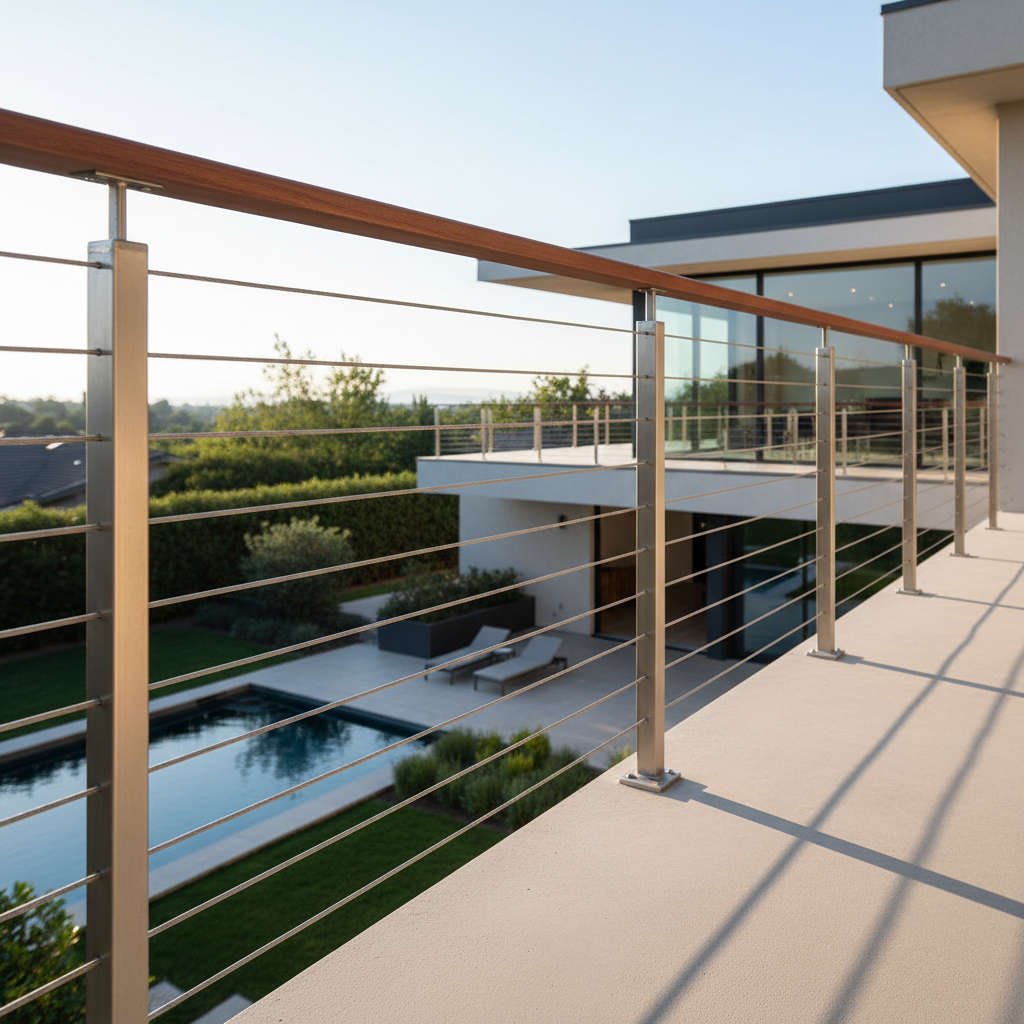
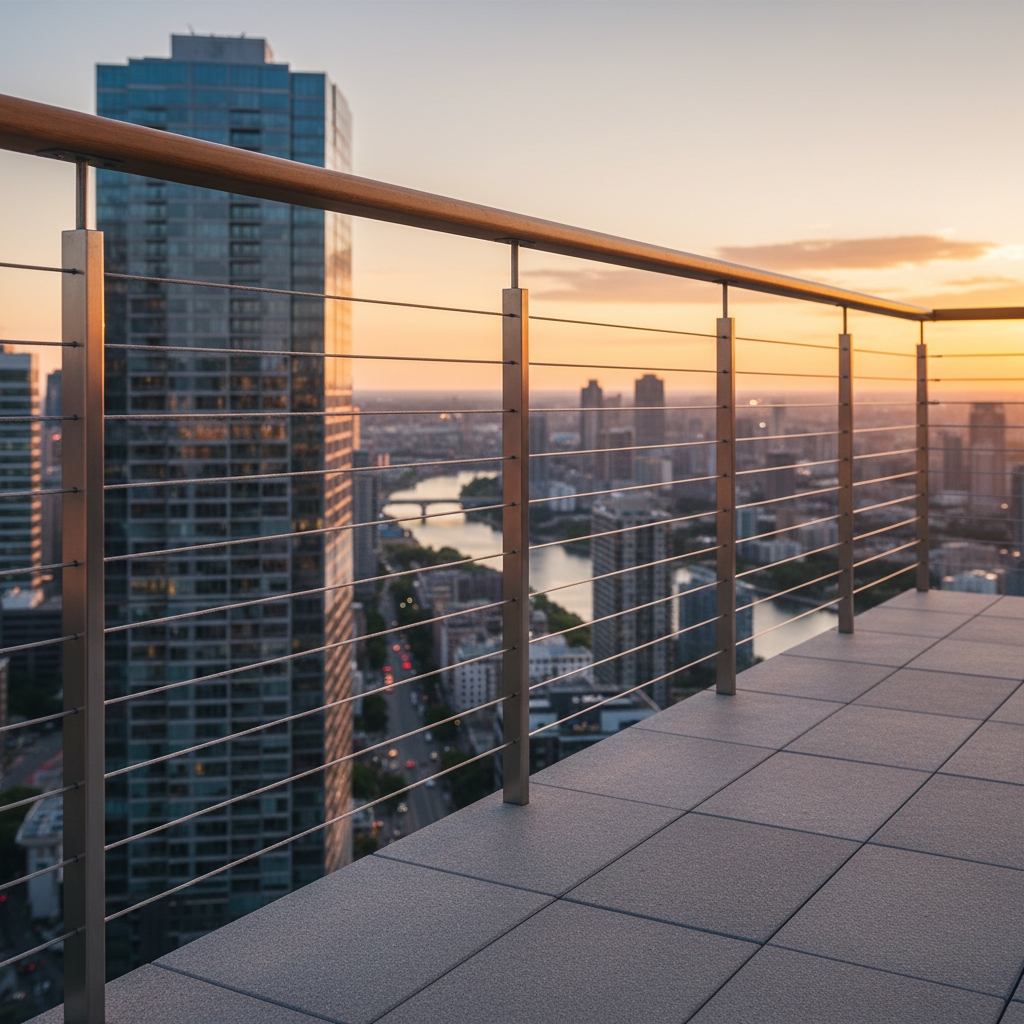
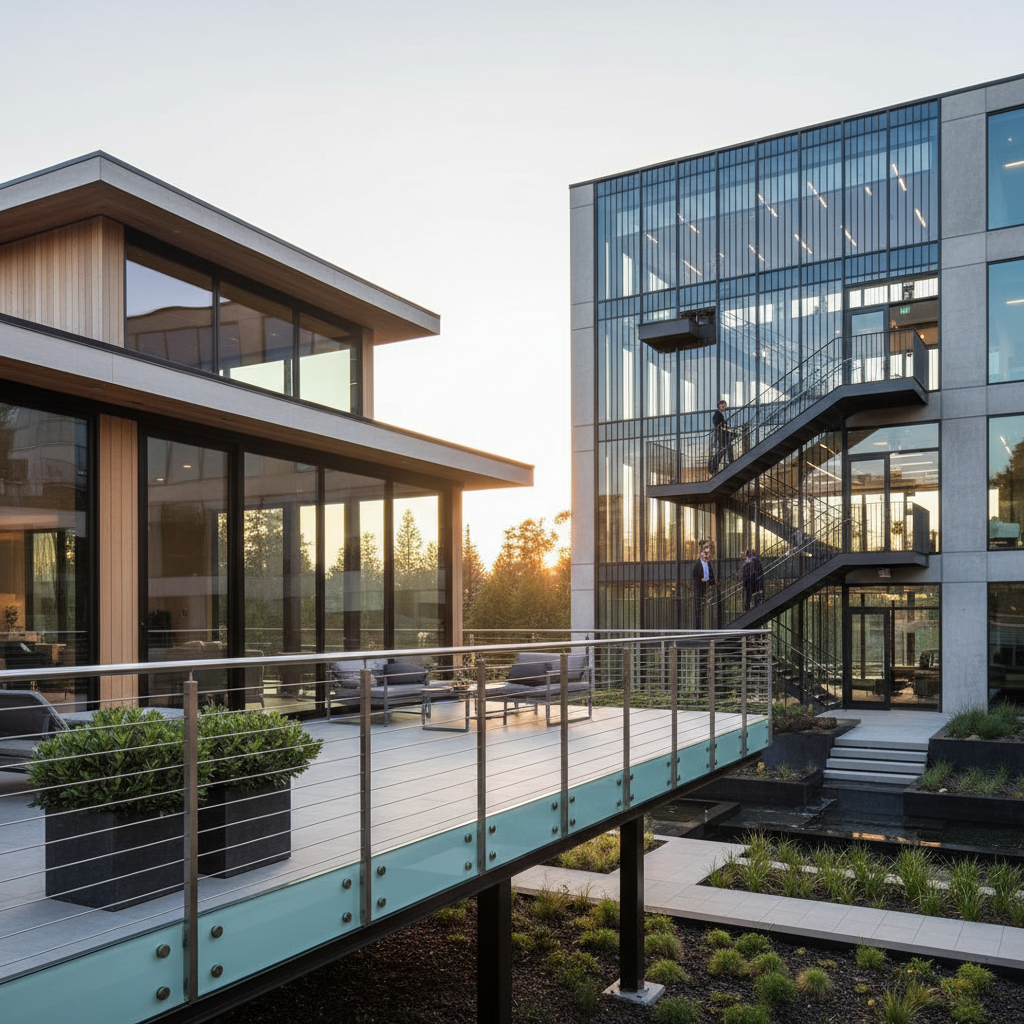
In today's contemporary design landscape, innovative cable handrail systems have emerged as a key element in both modern residential and commercial interiors. According to a report by the National Association of Home Builders (NAHB), an increasing number of homeowners, approximately 45%, prioritize minimalistic aesthetics, prompting designers to seek solutions that marry form and function. Cable handrails provide a sleek, unobtrusive option that enhances visibility and openness, particularly in spaces with stunning views or unique architectural features.
The versatility of cable handrail systems extends beyond traditional uses; they are increasingly being incorporated into diverse applications, from staircases to balconies. A study by Research and Markets found that the global market for cable railing systems is projected to grow by 8.3% annually through 2025, driven by their adaptability to various design themes and preference for low-maintenance materials. This growth is fueled by the rising demand for safety solutions that do not compromise on style, making cable handrails a preferred choice for contemporary architects and designers striving to create spaces that reflect modern sensibilities.
Durable Materials: Choosing the Right Cable for Longevity
When designing modern homes and commercial spaces, choosing a reliable cable handrail system is essential for both safety and aesthetics. One key aspect to consider is the durability of materials used in the cable system. Opting for high-quality stainless steel cables can significantly enhance longevity, as they resist rust and corrosion, making them ideal for both indoor and outdoor environments. Additionally, look for cables with UV protection if they will be exposed to sunlight, ensuring they maintain their strength and appearance over time.
Tips: When selecting cables, consider their diameter and tensile strength. Thicker cables typically offer greater strength and durability, while also providing a sleek, modern look. It's also beneficial to choose cables that are pre-stretched; this can help reduce sagging and maintain the tautness of your handrail system. Regular maintenance, such as cleaning and inspecting for any signs of wear, will further prolong the life of your cable handrail.
Another factor to keep in mind is the type of fittings and connectors used. Investing in high-quality hardware will not only enhance the overall aesthetic but also ensure that your cable system remains secure and functional. With the right materials and maintenance, a cable handrail system can become a stunning, long-lasting feature in any modern design.
Design Versatility: Adapting Handrail Systems to Diverse Styles
When considering modern home and commercial design,
the adaptability of cable handrail systems plays a crucial role in achieving a cohesive aesthetic.
These systems, characterized by sleek lines and minimalistic profiles, can seamlessly integrate into various architectural styles,
from contemporary lofts and industrial spaces to traditional homes. The versatility of cable handrails allows them to blend effortlessly
with different materials such as glass, wood, and metal, enabling designers to create harmonious environments that reflect their unique visions.
Furthermore, the modular nature of cable handrail systems provides endless customization options.
Homeowners and architects can modify the height, spacing, and finish of the cables and posts to suit specific design preferences and functional requirements.
This adaptability not only enhances the visual appeal but also ensures compliance with safety standards across diverse settings.
Whether aiming for a rustic aesthetic or a sophisticated urban look, cable handrails can be tailored to enhance the overall design narrative,
making them an ideal choice for those seeking flexibility in their interior and exterior projects.
Safety Standards: Ensuring Compliance in Residential and Commercial Use
In the pursuit of modern aesthetic and functionality, cable handrail systems have gained considerable popularity in both residential and commercial designs. However, as the demand for these stylish railings increases, so does the need to adhere to strict safety standards. The compliance with local and national building codes is essential to ensure that these systems provide the necessary support and protection, particularly in high-traffic areas. Failure to meet these regulations can lead to serious legal and safety implications.
To ensure compliance in the design and installation of cable handrail systems, it is crucial for builders and homeowners to familiarize themselves with safety standards such as the International Building Code (IBC) and the American Society for Testing and Materials (ASTM) guidelines. These standards dictate specifications such as the minimum height of railings, the spacing of cables, and the overall load-bearing capacity. By adhering to these regulations, not only do designers enhance safety, but they also promote confidence among users. Choosing the right materials and working with qualified professionals can significantly minimize risks and ensure that both aesthetic appeal and safety go hand in hand in modern spaces.
Installation Insights: Tips for a Seamless Cable Handrail Setup
When installing a cable handrail system, precision and planning are key to achieving a seamless setup. Begin by measuring the length and height of the area where the handrail will be installed. This ensures that you purchase the right amount of cable and fittings. Additionally, marking the post locations is crucial—post spacing should typically be no more than 4 feet apart to ensure maximum stability and safety. A level tool will help maintain evenness, which is essential for both aesthetic appeal and functional integrity.
Next, it’s vital to select the appropriate materials to suit your design while ensuring durability. Stainless steel cables are a popular choice due to their resistance to rust and corrosion, making them ideal for both indoor and outdoor applications. During installation, use proper tensioning techniques to eliminate cable sag, as loose cables can lead to safety hazards. Don’t forget to incorporate end caps for a polished look and enhanced safety. By following these tips, you can achieve a modern and sturdy cable handrail that complements both residential and commercial spaces.
2025 Top 5 Cable Handrail Systems for Modern Home and Commercial Design
This chart displays the estimated market popularity of the top 5 cable handrail systems based on design flexibility, durability, ease of installation, aesthetics, and cost-effectiveness.